
Complete Guide to Black Seed Oil Part 7
Introduction
Black seed oil, derived from the seeds of the Nigella sativa plant, has been treasured for centuries due to its diverse range of benefits and uses. Known for its distinctive flavor and potential health properties, this oil has found its way into kitchens and wellness routines around the globe. This comprehensive guide will explore what black seed oil is, its benefits and properties, common uses, applications in aromatherapy, safety considerations, storage recommendations, and frequently asked questions.
What Is Black Seed Oil?
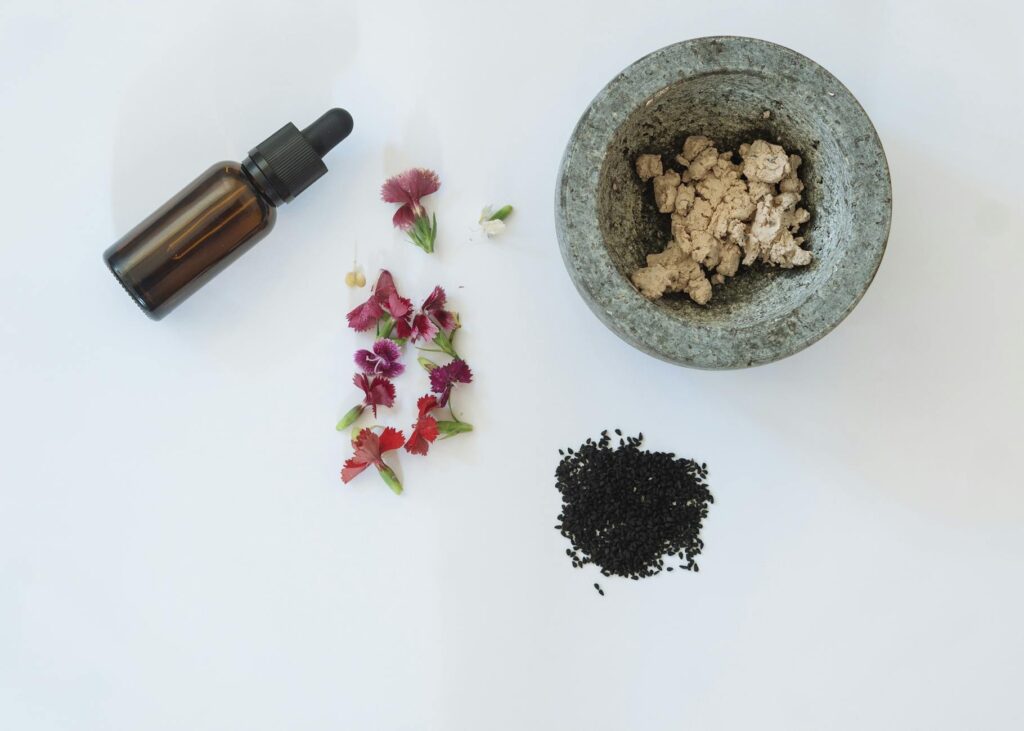
Black seed oil is extracted from the tiny black seeds of the Nigella sativa plant, which is native to Southwest Asia, the Mediterranean, and parts of Africa. The oil is typically cold-pressed to preserve its beneficial compounds, resulting in a dark, viscous liquid with a robust flavor profile that often resembles a combination of onion, black pepper, and oregano.
The seeds of Nigella sativa have been used for over 2,000 years in various cultures, particularly in traditional medicine. Historical texts suggest that they were highly valued in ancient Egypt, with references indicating their use by Pharaohs and their presence in medicinal recipes.
Key Benefits and Properties
Black seed oil is rich in bioactive compounds, including thymoquinone, which is believed to be responsible for many of its potential health benefits. Below are some notable properties and benefits:
Antioxidant Properties
Black seed oil contains powerful antioxidants that help combat oxidative stress in the body. Antioxidants are essential for neutralizing free radicals, which can cause cellular damage and contribute to aging and various health issues.
Anti-Inflammatory Effects
Thymoquinone in black seed oil has anti-inflammatory properties, making it a candidate for alleviating inflammation-related conditions. This property may help in reducing symptoms associated with chronic inflammatory diseases.
Immune Support
Some studies suggest that black seed oil may enhance immune function. Its various compounds are thought to support the body’s natural defenses, contributing to overall wellness.
Skin and Hair Benefits
Black seed oil is often used in cosmetic formulations due to its moisturizing and nourishing properties. It may help with conditions like dry skin, eczema, and acne and is also believed to promote healthy hair.
Digestive Health
Traditionally, black seed oil has been used to support digestive health. Its carminative properties may help alleviate bloating and gas, although further research is necessary to confirm these effects.
Common Uses
Black seed oil can be incorporated into various aspects of daily life. Here are some common applications:
Culinary Uses
In culinary contexts, black seed oil is often used as a flavorful addition to salad dressings, marinades, and dips. Its strong flavor can enhance a variety of dishes, particularly in Middle Eastern and South Asian cuisines.
Skincare
This oil is a popular ingredient in skincare products, including creams, lotions, and serums. It may be used topically to hydrate the skin, reduce irritation, and improve overall complexion.
Hair Care
Many people use black seed oil in hair care routines, either as a standalone treatment or as part of shampoos and conditioners. Its moisturizing properties may help reduce dryness and improve the shine and health of hair.
Dietary Supplement
Black seed oil is available in capsule form as a dietary supplement. Individuals seeking its potential health benefits may choose this option for convenience.
Aromatherapy Applications
In aromatherapy, black seed oil holds a unique position due to its intriguing aroma and potential therapeutic properties. Here are some ways it can be utilized:
Diffusion
When diffused, black seed oil can create a warm, earthy atmosphere. Its aroma is often described as complex and can contribute to a calming and grounding environment.
Blending
Black seed oil can be blended with other essential oils to create synergistic effects. It pairs well with oils such as lavender, sandalwood, and bergamot, enhancing the overall aromatic experience.
Topical Application
While black seed oil can be used in aromatherapy, it is often recommended to dilute it with a carrier oil when applied to the skin. This can help mitigate any potential irritation and enhance absorption.
Massage
Incorporating black seed oil into a massage oil blend can provide both aromatic and therapeutic benefits. Its moisturizing properties make it an excellent choice for skin during massage.
Safety Considerations
While black seed oil is generally considered safe for most individuals, it is essential to take certain precautions:
Skin Sensitivity
Before applying black seed oil topically, it is advisable to conduct a patch test to check for any adverse reactions. Diluting the oil with a carrier oil can help minimize the risk of skin irritation.
Allergic Reactions
Individuals with allergies to plants in the Ranunculaceae family should exercise caution, as they may be more susceptible to allergic reactions.
Pregnancy and Nursing
Due to limited research on the safety of black seed oil during pregnancy and nursing, it is recommended that pregnant or breastfeeding individuals consult with a healthcare professional before use.
Interactions with Medications
Black seed oil may interact with certain medications, particularly those affecting blood sugar and blood pressure. It is advisable to consult a healthcare professional before incorporating it into a wellness regimen.
Storage and Shelf Life
To preserve the quality and efficacy of black seed oil, proper storage is crucial:
Storage Conditions
Black seed oil should be stored in a cool, dark place, away from direct sunlight and heat sources. A dark glass bottle can help protect the oil from light degradation.
Shelf Life
When stored correctly, black seed oil typically has a shelf life of about 1-2 years. It’s essential to check for any changes in aroma, color, or consistency, which may indicate spoilage.
Frequently Asked Questions
Can black seed oil be consumed?
Yes, black seed oil can be consumed, but it is advisable to follow dosage recommendations and consult with a healthcare professional if you are unsure.
Is black seed oil safe for children?
While black seed oil is generally considered safe for children, it is best to consult a healthcare professional before use, particularly for children under two years old.
How can I incorporate black seed oil into my routine?
Black seed oil can be incorporated into your diet, skincare, and hair care routines. Experiment with different methods to find what works best for you.
Does black seed oil have a strong taste?
Yes, black seed oil has a robust flavor that may not be appealing to everyone. Mixing it with honey or incorporating it into recipes can help balance its taste.
Can I use black seed oil in cooking?
Yes, black seed oil can be used in cooking, but it is best to add it to dishes after cooking to preserve its beneficial properties.
In conclusion, black seed oil is a versatile and valuable addition to both culinary and wellness practices. Its rich history and diverse applications make it a fascinating subject for those interested in natural remedies and holistic health. As with any natural product, it is essential to use it mindfully and with consideration of individual needs and preferences.