
Complete Guide to Black Seed Oil Part 7
Introduction
Black seed oil, derived from the seeds of the Nigella sativa plant, has been utilized for centuries across various cultures for its potential health benefits and versatile applications. This comprehensive guide aims to explore the nature, properties, and uses of black seed oil, particularly in the context of aromatherapy. By understanding its characteristics and applications, readers can make informed decisions regarding its use in their wellness routines.
What Is Black Seed Oil?
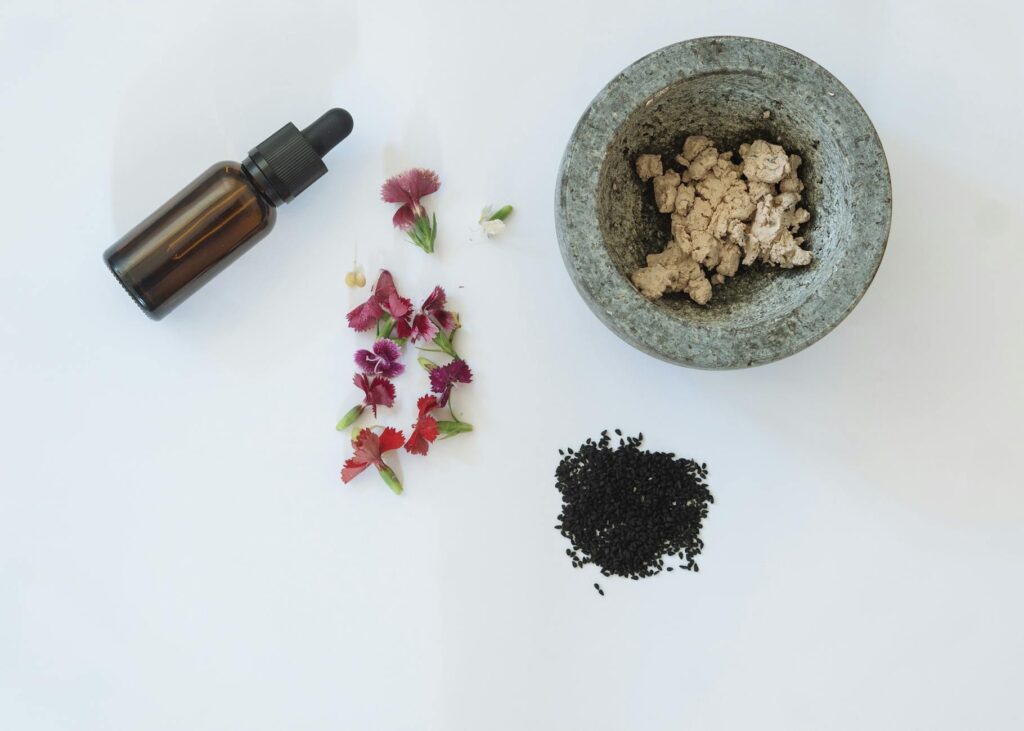
Black seed oil is extracted from the seeds of the Nigella sativa plant, which is native to Southwest Asia. The seeds are small, black, and have a distinctive triangular shape. Known by various names, including black cumin, kalonji, and fennel flower, Nigella sativa has been celebrated for its culinary and medicinal uses throughout history, particularly in ancient Egyptian, Roman, and Islamic cultures.
The oil is obtained through cold-pressing the seeds, preserving its rich composition, which includes essential fatty acids, vitamins, and a variety of bioactive compounds. The primary constituents include thymoquinone, an antioxidant that has garnered significant attention for its potential health benefits.
Key Benefits and Properties
Black seed oil is hailed for its diverse range of properties, which include:
Antioxidant Properties
Thymoquinone, the most well-studied compound in black seed oil, exhibits strong antioxidant effects, helping to neutralize free radicals in the body. This property is essential for maintaining cellular health and reducing oxidative stress.
Anti-Inflammatory Effects
Research suggests that black seed oil may have anti-inflammatory properties, which can support overall wellness. These effects may be beneficial for individuals dealing with inflammatory conditions, although further studies are necessary.
Immune Support
The oil is believed to support the immune system, potentially helping the body defend against various pathogens. Its immune-boosting properties are often attributed to its rich nutrient profile.
Skin Health
Black seed oil is commonly used in cosmetic applications due to its moisturizing and soothing effects on the skin. It may help with conditions such as acne and eczema, although individual results may vary.
Digestive Health
Traditionally, black seed oil has been used to support digestive health. Its carminative properties may help alleviate minor digestive discomfort, though more research is needed to substantiate these claims.
Common Uses
Black seed oil has numerous applications across various domains:
Culinary Uses
In culinary settings, black seed oil is often used as a flavor enhancer in dishes, particularly in Middle Eastern and South Asian cuisines. It can be drizzled over salads, mixed into sauces, or used as a finishing oil to add a unique flavor profile.
Topical Applications
Due to its skin-friendly properties, black seed oil is frequently used in skincare formulations. It can be applied directly to the skin or mixed with carrier oils in DIY skincare recipes.
Supplements
Black seed oil is available in capsule form, providing a convenient way for individuals to incorporate its potential benefits into their daily routines.
Aromatherapy Applications
In the realm of aromatherapy, black seed oil can be utilized in various ways to enhance mental and emotional well-being. While it is not typically used as a primary essential oil due to its strong aroma, it can be blended with other essential oils to create synergistic effects.
Diffusion
When diffused, black seed oil offers a warm, earthy aroma that can create a calming atmosphere. It can be combined with other essential oils, such as lavender or frankincense, to promote relaxation and emotional balance.
Massage
Incorporating black seed oil into massage blends can enhance the experience. Its moisturizing properties make it an excellent carrier oil, and its potential anti-inflammatory effects may provide additional comfort during massages.
Bath Additive
Adding black seed oil to bathwater can create a soothing experience. It can be blended with Epsom salts or other essential oils to promote relaxation and skin nourishment.
Safety Considerations
While black seed oil is generally considered safe for most individuals, it is essential to observe the following safety guidelines:
Skin Sensitivity
Before applying black seed oil topically, it is advisable to conduct a patch test to check for any allergic reactions or skin sensitivities. Dilution with a carrier oil is recommended for those with sensitive skin.
Consultation with a Professional
Individuals who are pregnant, breastfeeding, or taking medications should consult with a healthcare professional before using black seed oil, as it may interact with certain medications or conditions.
Quality of Oil
Selecting high-quality black seed oil is crucial. Look for cold-pressed, organic options to ensure purity and potency. Avoid oils that contain additives or fillers.
Storage and Shelf Life
To preserve the integrity of black seed oil, proper storage is essential:
Storage Conditions
Black seed oil should be stored in a cool, dark place, away from direct sunlight and heat. A dark glass bottle is preferable, as it helps protect the oil from light degradation.
Shelf Life
When stored correctly, black seed oil typically has a shelf life of around 1 to 2 years. Always check for any changes in color, odor, or consistency before use, as these may indicate spoilage.
Frequently Asked Questions
1. Can black seed oil be ingested?
Yes, black seed oil can be ingested in moderation, typically in capsule form or as a culinary oil. However, consultation with a healthcare professional is recommended before starting any new supplement.
2. Is black seed oil safe for children?
While black seed oil is considered safe for most adults, its use in children should be approached with caution. It is best to consult a pediatrician before using it for younger individuals.
3. Can black seed oil help with hair loss?
Some individuals use black seed oil for hair health, believing it may promote hair growth and reduce hair loss. However, scientific evidence is limited, and results can vary.
4. How can I incorporate black seed oil into my skincare routine?
Black seed oil can be added to lotions, creams, or used as a standalone moisturizer. It may be diluted with carrier oils for topical use, especially for sensitive skin.
5. Are there any side effects associated with black seed oil?
While generally safe, some individuals may experience mild digestive discomfort or allergic reactions. It is advisable to start with small amounts and monitor for any adverse reactions.
Conclusion
Black seed oil is a versatile and historically significant oil with a wide range of potential benefits and applications. Whether used in cooking, skincare, or aromatherapy, its unique properties make it a valuable addition to holistic wellness practices. By understanding its characteristics, uses, and safety considerations, individuals can better appreciate black seed oil and incorporate it thoughtfully into their routines. Always remember to prioritize quality and consult professionals when necessary to ensure safe and effective use.