
Complete Guide to Borage Oil Part 2
Introduction
Borage oil, derived from the seeds of the borage plant (Borago officinalis), has gained recognition for its numerous applications in the realms of skincare, culinary use, and aromatherapy. This article delves deeper into the properties, benefits, and practical applications of borage oil, providing a comprehensive overview for those interested in exploring its potential.
What Is Borage Oil?
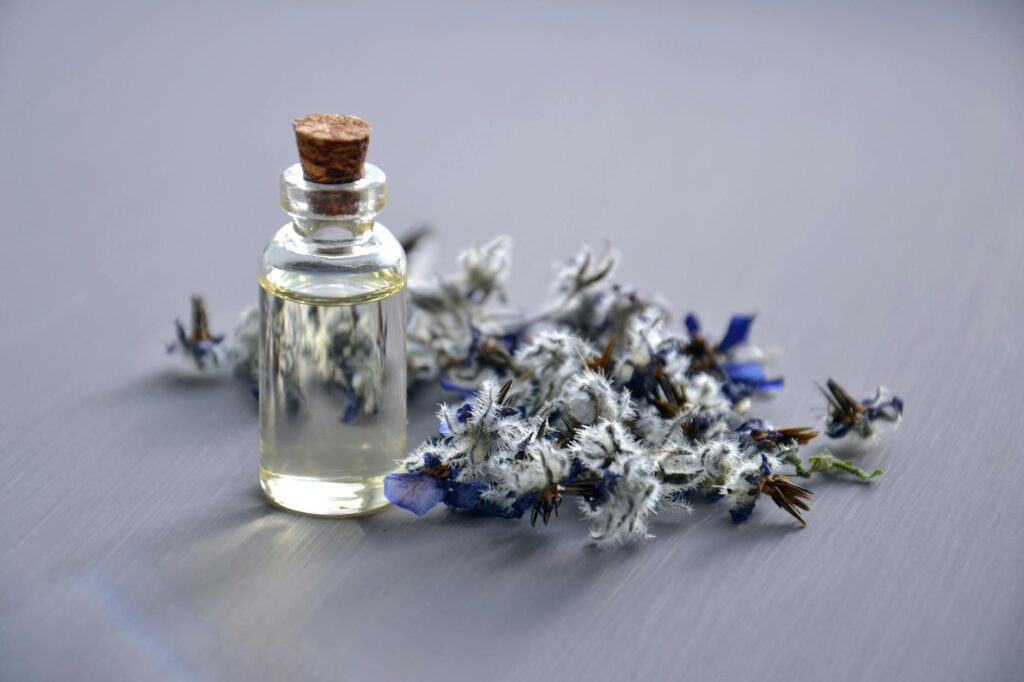
Borage oil is extracted through cold-pressing the seeds of the borage plant, which is indigenous to Europe but now cultivated in various regions around the world. The plant is characterized by its star-shaped blue flowers and fuzzy leaves. Borage oil is particularly valued for its high content of gamma-linolenic acid (GLA), an essential fatty acid that plays a crucial role in various bodily functions.
The oil is typically a pale yellow color and possesses a mild, slightly nutty aroma. It is rich in omega-6 fatty acids, antioxidants, and vitamins, making it a popular choice in both culinary and cosmetic applications.
Key Benefits and Properties
Borage oil is celebrated for its array of beneficial properties, which can be attributed to its unique chemical composition:
- High GLA Content: Borage oil is one of the richest natural sources of GLA, a fatty acid that has been associated with various skin benefits, including moisture retention and inflammation reduction.
- Antioxidant Properties: The oil contains antioxidants that help combat oxidative stress, which can lead to premature aging and skin damage.
- Emollient Qualities: Borage oil functions effectively as an emollient, softening and soothing the skin, making it a popular ingredient in moisturizers and skincare formulations.
- Anti-inflammatory Effects: Some studies suggest that the GLA in borage oil may help alleviate inflammation, which can be beneficial for conditions like eczema and dermatitis.
- Skin Sensitivity: Although borage oil is generally safe for topical use, it is advisable to perform a patch test before applying it generously to the skin. Individuals with sensitive skin may experience irritation.
- Pregnancy and Nursing: Pregnant or nursing individuals should consult a healthcare professional before using borage oil, as the effects during these periods are not well-documented.
- Interactions: Borage oil may interact with certain medications, particularly blood thinners. It is essential to consult with a healthcare provider if you are on medication before incorporating borage oil into your routine.
- Quality Control: Always choose high-quality, organic borage oil from reputable sources to ensure its purity and efficacy.
- Storage Conditions: Store borage oil in a cool, dark place away from direct sunlight and heat sources. Light and heat can degrade the oil, reducing its effectiveness.
- Container: Use dark glass bottles for storage, as they provide better protection against light exposure compared to plastic containers.
- Shelf Life: Generally, borage oil has a shelf life of around 6 to 12 months when stored correctly. Always check for any off-smells or changes in appearance before use, as these may indicate rancidity.
Common Uses
Borage oil has a multitude of applications across various sectors, including:
Skincare
Borage oil is frequently incorporated into creams, lotions, and serums for its moisturizing properties. Its ability to soothe irritated skin makes it a common ingredient in treatments for conditions such as eczema, psoriasis, and acne. The emollient nature of the oil aids in maintaining skin hydration, and its antioxidant content can help protect against environmental damage.
Culinary
In culinary applications, borage oil can be used as a finishing oil, drizzled over salads or vegetables to enhance flavor. It can also be added to smoothies and dressings for a nutrient boost. However, due to its low smoke point, it is not recommended for cooking at high temperatures.
Haircare
Borage oil is often found in hair care products for its moisturizing and conditioning properties. It may help to strengthen hair strands and nourish the scalp, promoting overall hair health.
Aromatherapy Applications
While borage oil is not as commonly used in aromatherapy as some other essential oils, it can still play a role in creating soothing blends. The subtle aroma of borage oil can be combined with other essential oils to enhance relaxation and promote a sense of well-being.
Diffusion
When used in a diffuser, borage oil can provide a calming atmosphere, especially when blended with complementary oils such as lavender or chamomile. The mild scent can help reduce stress and create a serene environment.
Massage
Borage oil can be used as a carrier oil in massage therapies, allowing for the absorption of its beneficial properties through the skin. Its emollient qualities make it an excellent choice for moisturizing the skin during a relaxing massage session.
Safety Considerations
When using borage oil, it is essential to take certain precautions:
Storage and Shelf Life
Proper storage is crucial for maintaining the quality of borage oil. Here are some guidelines:
Frequently Asked Questions
1. Can borage oil be used on all skin types?
Borage oil is generally suitable for most skin types due to its emollient and moisturizing properties. However, individuals with sensitive or reactive skin should perform a patch test prior to widespread use.
2. Is borage oil safe for internal consumption?
While some people do consume borage oil, it is essential to consult a healthcare professional before taking it internally, especially if you have existing health conditions or are taking medications.
3. How can I incorporate borage oil into my skincare routine?
Borage oil can be added to your skincare routine by applying it directly to the skin, mixing it with a moisturizer, or using products that contain borage oil as an ingredient.
4. Is there a difference between borage oil and evening primrose oil?
Both borage oil and evening primrose oil are rich in GLA but are derived from different plants. Borage oil typically contains a higher concentration of GLA compared to evening primrose oil. The choice between them may depend on individual preferences and specific skincare needs.
5. Can borage oil help with acne?
Borage oil’s anti-inflammatory and moisturizing properties may benefit individuals with acne-prone skin. However, results can vary, and it is essential to monitor your skin’s response when incorporating any new product.
6. Where can I purchase borage oil?
Borage oil can be found in health food stores, online retailers, and specialty shops that carry essential oils and carrier oils. Always opt for organic and cold-pressed varieties to ensure quality.
Conclusion
Borage oil is a versatile and beneficial oil that can enhance skincare routines, culinary dishes, and aromatherapy practices. Its rich content of gamma-linolenic acid and other essential nutrients makes it a valuable addition to various wellness applications. As with any natural product, proper usage and understanding of its properties are key to harnessing the full potential of borage oil.