
Complete Guide to Borage Oil Part 4
Introduction
Borage oil, derived from the seeds of the borage plant (Borago officinalis), has garnered attention for its unique composition and potential benefits. This guide aims to provide a comprehensive understanding of borage oil, covering its properties, common uses, applications in aromatherapy, safety considerations, and storage guidelines.
What Is Borage Oil?
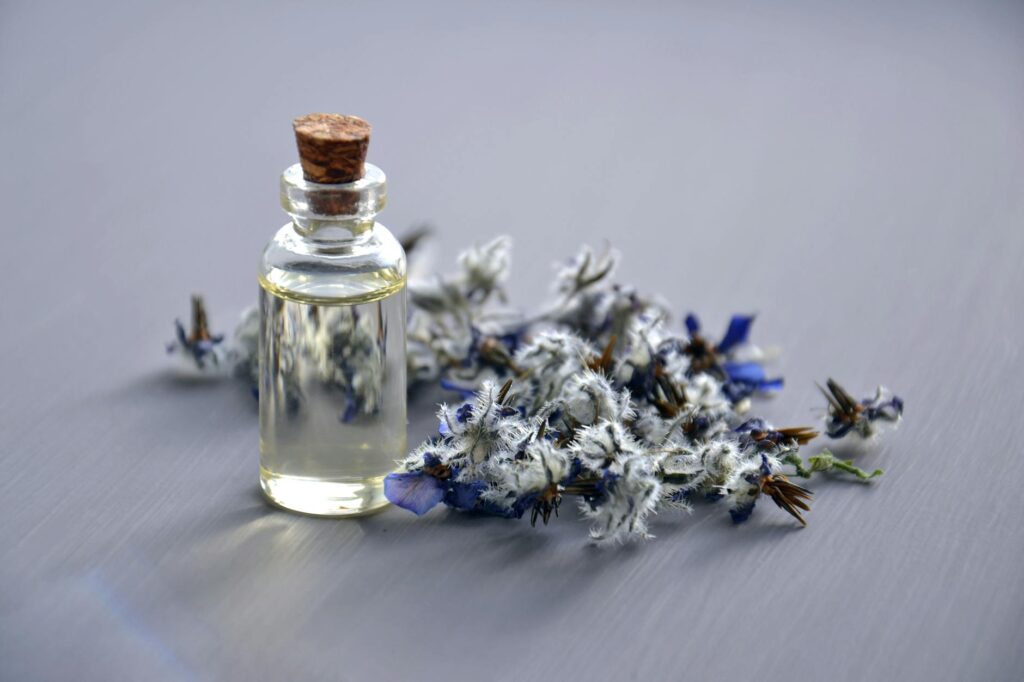
Borage oil is extracted from the seeds of the borage plant, a herbaceous annual native to Europe and Asia. The plant is characterized by its star-shaped blue flowers and hairy leaves, which are often used in culinary dishes and herbal remedies. The oil itself is rich in gamma-linolenic acid (GLA), an omega-6 fatty acid that is believed to contribute to many of its beneficial properties. Borage oil is typically cold-pressed to retain its nutritional profile and is available in liquid form or as capsules.
Key Benefits and Properties
Rich in Essential Fatty Acids
One of the most prominent features of borage oil is its high concentration of GLA, which is known to play a role in various bodily functions, including inflammation regulation and skin health. Borage oil contains approximately 20-25% GLA, making it one of the richest plant sources of this essential fatty acid.
Anti-Inflammatory Properties
GLA is recognized for its anti-inflammatory effects. Borage oil may help reduce symptoms associated with inflammation, such as redness and swelling, making it a popular choice in skincare formulations.
Skin Health
Borage oil is often used in cosmetics and topical applications due to its moisturizing and soothing properties. It can help improve skin hydration and elasticity, making it beneficial for dry or sensitive skin types. Furthermore, it may assist in managing conditions like eczema and psoriasis.
Hormonal Balance
Some proponents of borage oil suggest that it may help support hormonal balance, particularly during menstruation and menopause. The oil’s GLA content is thought to aid in the production of prostaglandins, which play a role in regulating various hormonal functions.
Common Uses
Skincare
Borage oil is widely used in skincare products due to its emollient properties. It can be found in lotions, creams, and serums aimed at hydrating and soothing the skin. Its ability to penetrate the skin barrier makes it effective for treating dry skin and promoting a healthy complexion.
Hair Care
The moisturizing characteristics of borage oil extend to hair care as well. It is sometimes included in shampoos and conditioners to enhance hair shine and manageability, particularly for dry or damaged hair.
Nutritional Supplement
Many individuals consume borage oil as a dietary supplement, often in capsule form. It is believed to support overall health, particularly for skin and joint health.
Culinary Uses
Though less common, borage oil can be used in cooking or as a finishing oil. However, it is essential to use it sparingly and not expose it to high temperatures, as this can degrade its beneficial properties.
Aromatherapy Applications
Borage oil is not as widely utilized in traditional aromatherapy compared to other essential oils; however, its therapeutic properties can be incorporated into holistic practices.
Blending with Other Oils
When used in blends, borage oil pairs well with essential oils such as lavender, chamomile, and geranium. These combinations can enhance calming effects, making them suitable for stress relief and emotional well-being.
Bath Products
Incorporating borage oil into bath products can provide a soothing experience for the skin and promote relaxation. Adding a few drops to bath water or using it in homemade bath oils can create a luxurious self-care ritual.
Diffusion
While borage oil itself is not commonly diffused, it can be included in formulations that are intended for topical application or massage. This approach may help leverage its skin benefits while simultaneously enjoying the aromatic qualities of other essential oils.
Safety Considerations
Borage oil is generally considered safe for topical use; however, there are important safety considerations to keep in mind:
Allergies and Sensitivities
Individuals with allergies to borage or related plants should exercise caution. A patch test is recommended before applying borage oil to larger areas of the skin to check for any adverse reactions.
Pregnancy and Nursing
Due to its hormonal effects, pregnant or nursing women should consult with a healthcare professional before using borage oil.
Interactions with Medications
Borage oil may interact with certain medications, particularly those that affect blood clotting or hormonal treatments. It is advisable to consult a healthcare professional if you are taking any medications and wish to use borage oil.
Dosage Guidelines
When taken as a dietary supplement, following the manufacturer’s recommended dosage is essential. Overconsumption may lead to gastrointestinal discomfort or other side effects.
Storage and Shelf Life
Proper storage is crucial to maintaining the quality of borage oil. Here are some guidelines:
Storage Conditions
- Temperature: Borage oil should be stored in a cool, dark place to prevent oxidation.
- Container: It is best kept in a dark glass bottle to protect it from light and heat.
- Tightly Sealed: Ensure the container is tightly sealed to minimize exposure to air, which can degrade the oil.
Shelf Life
When stored correctly, borage oil typically has a shelf life of about 1 to 2 years. Always check for any changes in smell, color, or consistency before use, as these may indicate spoilage.
Frequently Asked Questions
1. Can borage oil be used on all skin types?
Borage oil is generally suitable for all skin types, but those with sensitive skin should perform a patch test first.
2. How is borage oil different from evening primrose oil?
While both oils contain GLA, borage oil has a higher concentration of this essential fatty acid compared to evening primrose oil. Their applications and benefits may overlap, but individual preferences may vary.
3. Is borage oil safe for children?
While borage oil is generally safe for adults, children may have different sensitivities. Consult with a healthcare professional before using borage oil on children.
4. Can borage oil be used internally?
Borage oil is available in capsule form for internal use, but it is crucial to follow recommended dosages and consult a healthcare provider for personalized advice.
5. What are the signs of rancid borage oil?
Signs of rancidity include an off or unpleasant odor, a change in color, or a thick, sticky consistency. If any of these changes occur, it’s best to discard the oil.
Conclusion
Borage oil is a versatile and beneficial oil that offers a range of properties for skin health, inflammation reduction, and potential hormonal balance. Whether used in skincare, hair care, or as a dietary supplement, its unique composition makes it a valuable addition to holistic wellness practices. As with any natural product, understanding its applications and safety considerations is essential for maximizing its benefits.