
Complete Guide to Botanical Ingredients – Baobab Oil
Introduction
In the realm of natural beauty and wellness, botanical ingredients have gained significant attention for their diverse applications and numerous benefits. Among these, baobab oil stands out as a remarkable oil derived from the seeds of the baobab tree (Adansonia digitata), often referred to as the “tree of life.” This guide will delve into the origins, properties, uses, and safety considerations of baobab oil, providing a comprehensive resource for those interested in incorporating this valuable ingredient into their routines.
What Is Botanical Ingredients – Baobab Oil?
Baobab oil is extracted from the seeds of the baobab tree, which is native to various regions of Africa, particularly in Madagascar, mainland Africa, and Australia. The baobab tree is known for its unique appearance, characterized by a thick trunk and a broad canopy. The fruit of the baobab tree is nutrient-rich, containing a white powder that is often consumed as a superfood.
The extraction process of baobab oil typically involves cold pressing the seeds, which helps to retain its beneficial properties. The oil is light yellow to golden in color with a slightly nutty aroma. Rich in essential fatty acids, antioxidants, and vitamins, baobab oil is increasingly being recognized for its potential benefits in skincare, haircare, and aromatherapy.
Key Benefits and Properties
Baobab oil is celebrated for its impressive nutritional profile, which includes:
- Essential Fatty Acids: Rich in omega-3, omega-6, and omega-9 fatty acids, baobab oil helps to nourish and hydrate the skin, promoting elasticity and softness.
- Antioxidants: The oil contains antioxidants, such as vitamins A, D, E, and K, which play a crucial role in combating free radicals and supporting skin health.
- Vitamins and Minerals: Baobab oil is packed with vitamins and minerals that contribute to overall well-being. Vitamin C, in particular, aids in collagen production and supports skin radiance.
- Anti-Inflammatory Properties: The oil’s composition may help reduce inflammation, making it suitable for soothing irritated skin.
- Moisturizing Qualities: Baobab oil is an excellent emollient, providing a layer of moisture that helps to lock in hydration, making it beneficial for dry and dehydrated skin.
- Skincare: Its hydrating and nourishing properties make baobab oil a popular ingredient in moisturizers, serums, and facial oils. It is particularly beneficial for dry and mature skin types.
- Haircare: Baobab oil can be used as a hair treatment to nourish and strengthen hair, reduce frizz, and enhance shine. It is often found in shampoos, conditioners, and hair masks.
- Massage Oil: Due to its light texture and soothing properties, baobab oil is an excellent choice for massage therapy, helping to relax muscles and hydrate the skin.
- Cosmetic Formulations: Baobab oil is increasingly used in the formulation of cosmetics, including lip balms, lotions, and body butters, due to its emollient and skin-conditioning properties.
- Food Ingredient: Although not as common, baobab oil can also be used in culinary applications, offering a unique flavor and nutritional benefits.
- Patch Test: Always perform a patch test before using baobab oil on larger areas of the skin, especially if you have sensitive skin or allergies.
- Pregnancy and Nursing: If you are pregnant or nursing, consult with a healthcare professional before incorporating baobab oil into your routine.
- Quality of the Product: Ensure you use high-quality baobab oil from reputable sources to avoid potential contamination or adulteration.
- Storage: Store baobab oil in a cool, dark place to maintain its integrity and prevent oxidation.
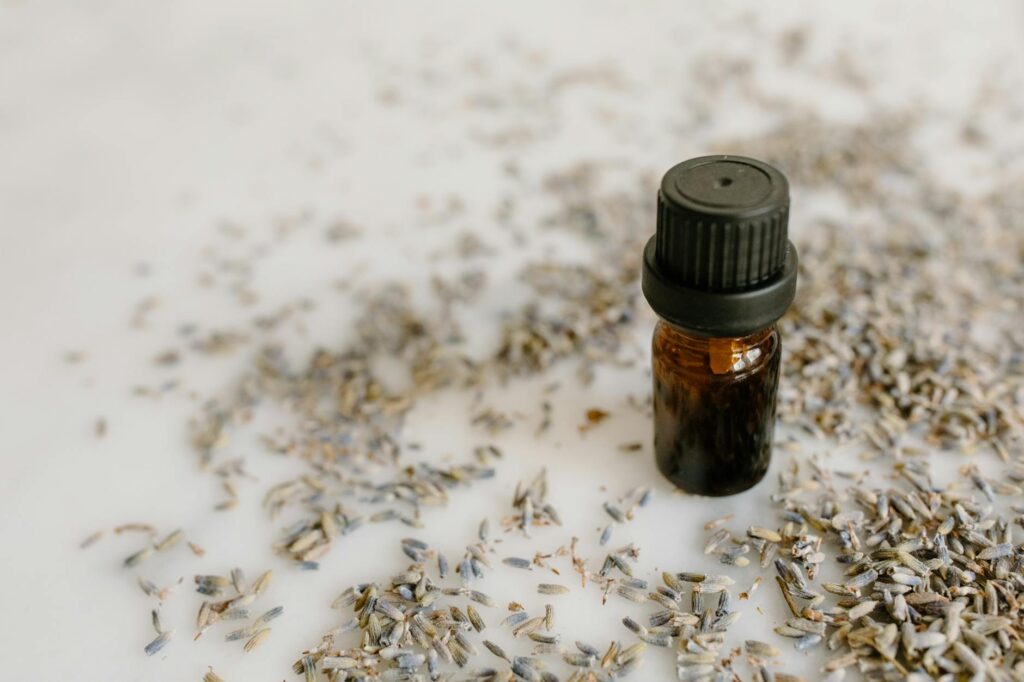
- Keep it in a Dark Container: Use dark glass bottles that protect the oil from light exposure.
- Avoid Heat Sources: Store the oil away from direct sunlight and heat sources to prevent degradation.
- Seal Tightly: Ensure the bottle is tightly sealed when not in use to minimize air exposure.
Common Uses
Baobab oil has a myriad of applications, particularly in the beauty and wellness industry:
Aromatherapy Applications
In addition to its topical uses, baobab oil has potential applications in aromatherapy. While it may not be an essential oil in the traditional sense, its nourishing properties and mild scent can complement various essential oils.
When blended with essential oils, baobab oil can serve as a carrier oil, allowing for easy application and absorption during aromatherapy sessions. It is particularly compatible with oils like lavender, geranium, and citrus oils, creating soothing and uplifting blends.
How to Use Baobab Oil in Aromatherapy
1. Mixing with Essential Oils: Combine baobab oil with your favorite essential oils to create personalized blends for massage or diffusion.
2. Massage: Use baobab oil as a base for massage blends, providing hydration while delivering the benefits of essential oils.
3. Diffusion: Add a few drops of essential oils to a diffuser, using baobab oil as a carrier for a more balanced and moisturizing aromatic experience.
Safety Considerations
While baobab oil is generally considered safe for topical use, there are a few precautions to keep in mind:
Storage and Shelf Life
Baobab oil has a relatively long shelf life, typically ranging from 1 to 2 years when stored properly. To ensure the longevity of the oil:
Frequently Asked Questions
1. Can baobab oil be used on all skin types?
Yes, baobab oil is suitable for various skin types, including dry, oily, and sensitive skin. Its lightweight texture and moisturizing properties make it versatile for different skin concerns.
2. Is baobab oil comedogenic?
Baobab oil has a low comedogenic rating, making it less likely to clog pores compared to heavier oils. However, individual reactions can vary, so it’s advisable to perform a patch test.
3. Can baobab oil be ingested?
Baobab oil is safe for culinary use, but it is essential to choose food-grade baobab oil if you intend to incorporate it into your diet. Always consult with a healthcare professional if you have concerns about dietary supplements.
4. How can I incorporate baobab oil into my skincare routine?
Baobab oil can be used alone as a moisturizer, added to your regular skincare products, or used in DIY formulations. It can be applied directly to the skin or mixed with other oils or creams for additional benefits.
5. Does baobab oil have a strong scent?
Baobab oil has a mild, nutty aroma that is not overpowering. It can be blended with essential oils to create appealing fragrances for skincare or aromatherapy applications.
Conclusion
Baobab oil is a multifaceted botanical ingredient that offers a wealth of benefits for skincare, haircare, and aromatherapy. With its rich nutritional profile and diverse applications, it is a valuable addition to natural beauty and wellness routines. As with any new ingredient, it is advisable to approach its use thoughtfully and consult appropriate resources to maximize its potential benefits. Whether you are looking to enhance your skincare regimen, nourish your hair, or explore the world of aromatherapy, baobab oil is a worthy ingredient to consider.