
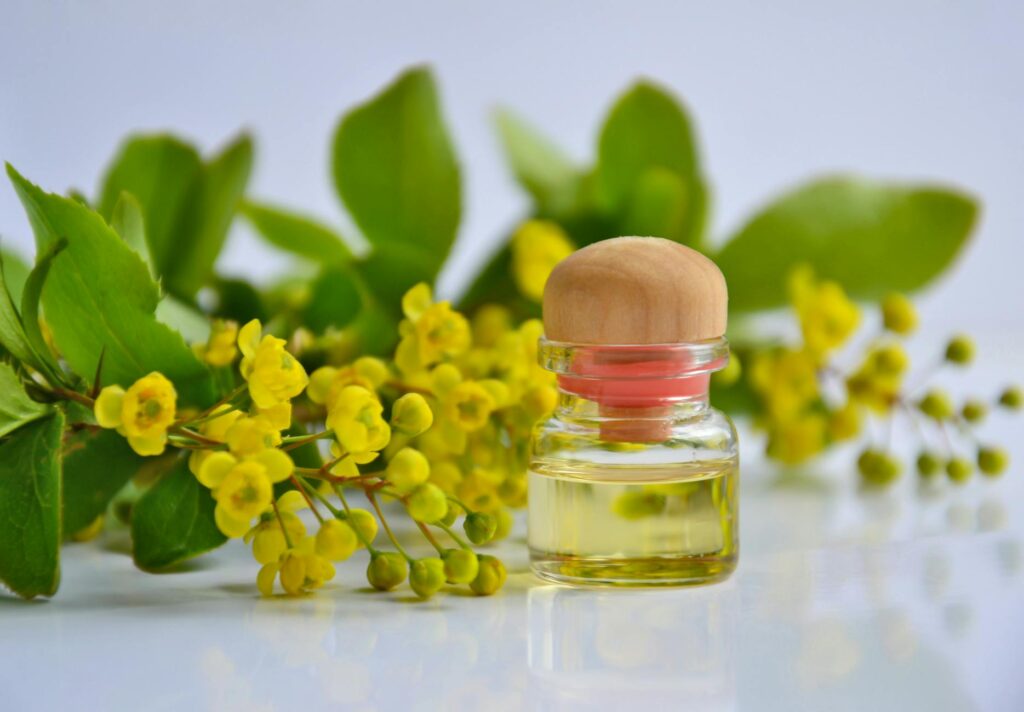
Complete Guide to Botanical Ingredients – Coconut Oil
Introduction
Coconut oil has gained immense popularity in recent years, not only in culinary circles but also as a staple in the realm of natural beauty and wellness. Extracted from the meat of mature coconuts, this versatile oil is known for its unique properties and myriad applications. In this comprehensive guide, we will explore the various aspects of coconut oil, from its origins to its benefits, uses, and considerations for safe application.
What Is Botanical Ingredients – Coconut Oil?
Coconut oil is a plant-based oil derived from the fruit of the coconut palm (Cocos nucifera). The extraction process typically involves pressing the fresh coconut meat to yield either virgin or refined coconut oil. Virgin coconut oil is made from fresh coconut meat and undergoes minimal processing, preserving its natural aroma and flavor. Refined coconut oil, on the other hand, is processed to remove impurities, resulting in a more neutral scent and taste.
Coconut oil is rich in medium-chain triglycerides (MCTs), particularly lauric acid, which is known for its unique metabolic properties. The oil remains solid at room temperature but melts easily when warmed, making it a highly versatile ingredient in both cooking and personal care.
Key Benefits and Properties
Coconut oil boasts numerous benefits and properties that contribute to its status as a favored botanical ingredient:
1. Moisturizing Properties
Coconut oil is an effective moisturizer, thanks to its high fat content. It can help to hydrate and soften the skin, making it an ideal choice for dry or flaky areas. The oil forms a protective barrier that helps to lock in moisture, which is particularly beneficial in dry climates.
2. Antimicrobial Activity
The lauric acid present in coconut oil has been shown to possess antimicrobial properties, making it useful in combating certain bacteria and fungi. This quality makes coconut oil a popular choice in natural skincare products aimed at preventing infections.
3. Nutritional Value
Rich in healthy fats, coconut oil serves as a source of quick energy. The MCTs in coconut oil are metabolized differently than long-chain fatty acids, providing rapid fuel for the body. This characteristic has led to its use in various dietary practices, including ketogenic diets.
4. Anti-inflammatory Properties
Coconut oil may exhibit anti-inflammatory effects, which can be beneficial for soothing irritated skin. This property makes it a common ingredient in formulations aimed at calming conditions like eczema or psoriasis.
Common Uses
Coconut oil’s versatility extends to a wide array of applications across various domains:
1. Culinary Uses
Coconut oil is widely used in cooking, particularly in tropical cuisines. It is ideal for sautéing, baking, and frying due to its high smoke point. Its distinct flavor can enhance dishes, making it a popular choice for curries, stir-fries, and baked goods.
2. Skincare Products
Coconut oil is a common ingredient in many skincare formulations, including lotions, creams, and balms. Its moisturizing properties make it suitable for a variety of skin types, and it can also be used as a makeup remover or for oil cleansing.
3. Hair Care
Coconut oil is often used in hair care products for its ability to nourish and condition hair. It can help reduce protein loss, improve shine, and enhance manageability. Many individuals also use it as a pre-shampoo treatment or leave-in conditioner.
4. Massage Oil
Due to its smooth texture and moisturizing properties, coconut oil is frequently employed as a massage oil. It allows for easy glide and can enhance the overall experience of relaxation during a massage session.
Aromatherapy Applications
Coconut oil serves as an excellent carrier oil in aromatherapy. Its neutral scent and light texture make it suitable for diluting essential oils, allowing for safe application on the skin. When blended with essential oils, coconut oil can enhance the therapeutic benefits of the oils while facilitating absorption.
1. Dilution for Topical Application
Essential oils are potent and must be diluted before being applied to the skin. Coconut oil is a popular choice for this purpose due to its moisturizing properties and skin compatibility. Common blends might include lavender for relaxation, tea tree for its antimicrobial effects, or eucalyptus for respiratory support.
2. Aromatic Blends
Coconut oil can also be used in creating aromatic blends for diffusers. When mixed with essential oils, it can enhance the diffusion process, allowing for a more prolonged aromatic experience. Blends can be tailored to suit various moods or therapeutic goals.
Safety Considerations
While coconut oil is generally considered safe for most uses, there are several important safety considerations to keep in mind:
1. Skin Sensitivity
Before using coconut oil, especially in skincare or aromatherapy applications, it is advisable to perform a patch test. Apply a small amount of the oil to a discreet area of skin and observe for any reactions over 24 hours.
2. Allergies
Individuals with a known allergy to coconuts should avoid using coconut oil. Allergic reactions can range from mild to severe, and it is essential to consult a healthcare professional if unsure.
3. Quality of the Oil
The quality of coconut oil can vary significantly based on the extraction and processing methods. It is advisable to choose high-quality, organic, and unrefined coconut oil to ensure the best results in both culinary and skincare applications.
Storage and Shelf Life
Proper storage of coconut oil is essential to maintain its quality and extend its shelf life:
1. Recommended Storage Conditions
Coconut oil should be stored in a cool, dark place, away from direct sunlight and heat sources. A tightly sealed container can help prevent oxidation and contamination.
2. Shelf Life
Unrefined coconut oil typically has a shelf life of about two to three years, while refined coconut oil may last slightly longer. Signs of spoilage can include a rancid odor or a change in color or texture. If in doubt, it is best to discard the oil.
Frequently Asked Questions
1. Can coconut oil be used for all skin types?
Coconut oil is generally suitable for most skin types, but individuals with oily or acne-prone skin may want to use it sparingly, as it can clog pores.
2. Is coconut oil safe for cooking at high temperatures?
Yes, coconut oil has a relatively high smoke point (around 350°F or 177°C for unrefined and 400°F or 204°C for refined), making it suitable for various cooking methods, including frying and baking.
3. How can I incorporate coconut oil into my skincare routine?
Coconut oil can be used as a moisturizer, makeup remover, or as part of an oil cleansing method. It can also be blended with essential oils for added benefits.
4. Can I use coconut oil on my hair every day?
While coconut oil can be beneficial for hair health, using it daily may not be necessary for everyone. It is often advisable to use it as a treatment or conditioning product a few times a week, depending on hair type and needs.
5. Is there a difference between virgin and refined coconut oil for cosmetic use?
Yes, virgin coconut oil retains more of the natural aroma and benefits associated with fresh coconuts, while refined coconut oil has a neutral scent and may undergo processing that alters some of its properties. The choice between the two often depends on personal preference and intended use.
Conclusion
Coconut oil stands out as a multifaceted botanical ingredient, offering a wealth of benefits and applications across culinary, skincare, and aromatherapy domains. By understanding its properties, uses, and safety considerations, individuals can harness the power of coconut oil to enhance their daily lives. As with any botanical ingredient, a thoughtful approach to its usage will ensure optimal results while minimizing potential risks.