
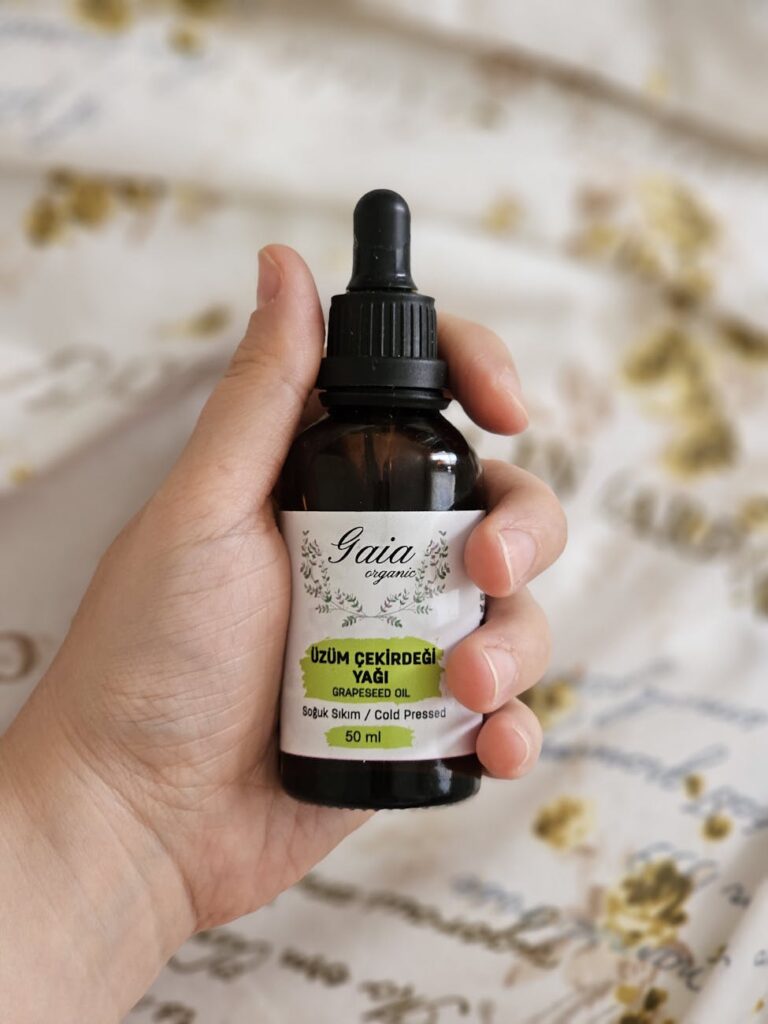
Complete Guide to Botanical Ingredients – Grapeseed Oil
Introduction
Grapeseed oil is a versatile and valuable botanical ingredient derived from the seeds of grapes, primarily those used in winemaking. This oil has gained popularity in recent years, particularly in the fields of skincare, cooking, and aromatherapy. Known for its light texture and mild flavor, grapeseed oil offers a range of benefits that make it an essential addition to both cosmetic formulations and culinary practices. This guide aims to provide a comprehensive overview of grapeseed oil, exploring its properties, benefits, common uses, and applications in aromatherapy.
What Is Botanical Ingredients – Grapeseed Oil?
Grapeseed oil is extracted from the seeds of Vitis vinifera, the common grapevine. The extraction process typically involves cold-pressing the seeds, which ensures that the oil retains its beneficial properties. This oil is characterized by a light, non-greasy texture and a slightly nutty flavor, making it an appealing choice for various applications.
Rich in polyunsaturated fats, particularly linoleic acid (omega-6 fatty acid), grapeseed oil is also abundant in antioxidants, including vitamin E and phenolic compounds. These components contribute to its stability and health-promoting properties.
Key Benefits and Properties
Grapeseed oil possesses several beneficial properties:
1. High in Antioxidants
Grapeseed oil is rich in antioxidants that help combat oxidative stress in the body. The presence of vitamin E and phenolic compounds can protect skin cells from damage caused by free radicals.
2. Moisturizing and Nourishing
Due to its high linoleic acid content, grapeseed oil is an effective moisturizer. It penetrates the skin easily, providing hydration without clogging pores, making it suitable for all skin types.
3. Anti-Inflammatory Properties
The oil exhibits anti-inflammatory properties, which can help soothe irritated skin and reduce redness. This makes it a popular choice for formulations aimed at sensitive or acne-prone skin.
4. Lightweight and Non-Greasy
One of the most appealing aspects of grapeseed oil is its lightweight texture. It absorbs quickly without leaving a greasy residue, making it ideal for use in skincare and hair care products.
5. Culinary Benefits
In culinary applications, grapeseed oil is valued for its high smoke point, which allows it to be used in frying, sautéing, and baking. Its mild flavor complements a variety of dishes.
Common Uses
Grapeseed oil is utilized in a range of applications, including:
1. Skincare
In the realm of skincare, grapeseed oil is often used as a carrier oil for essential oils, making it a popular choice for massage oils and DIY skincare formulations. It can be found in lotions, creams, and serums, where it helps to hydrate and nourish the skin.
2. Hair Care
The lightweight nature of grapeseed oil makes it suitable for hair care products. It can be used as a conditioning treatment, added to shampoos, or applied directly to the hair to enhance shine and manageability.
3. Culinary Uses
Grapeseed oil is commonly used in salad dressings, marinades, and as a cooking oil. Its high smoke point (around 420°F or 216°C) allows it to be used for high-heat cooking methods.
4. Aromatherapy
In aromatherapy, grapeseed oil serves as an excellent carrier oil for diluting essential oils. Its neutral scent allows the therapeutic properties of essential oils to shine through without overpowering them.
Aromatherapy Applications
In aromatherapy, grapeseed oil is often combined with essential oils to create soothing blends for various purposes. Here are some applications:
1. Massage
Grapeseed oil is commonly used in massage therapy due to its smooth texture and ability to glide over the skin easily. It can be blended with essential oils like lavender for relaxation or peppermint for invigoration.
2. Diffusion
While grapeseed oil is not typically used in diffusers, it can be used to dilute essential oils before applying them topically. This ensures that the oils are safe for the skin and enhances their therapeutic effects.
3. Skin Treatments
When combined with essential oils known for their skin benefits, such as tea tree or frankincense, grapeseed oil can enhance the delivery of these oils to the skin, promoting overall skin health.
Safety Considerations
While grapeseed oil is generally safe for most individuals, it is essential to consider the following safety guidelines:
1. Allergies
Individuals with allergies to grapes or other related plants should perform a patch test before using grapeseed oil topically.
2. Quality of Oil
Always choose high-quality, cold-pressed grapeseed oil to ensure that it retains its beneficial properties. Refined oils may lack the nutrients found in unrefined varieties.
3. Dilution
When using grapeseed oil as a carrier for essential oils, it is essential to follow recommended dilution ratios to avoid skin irritation. A typical dilution is 2-3% essential oil in the carrier oil.
4. Consultation
If unsure about using grapeseed oil, especially in therapeutic contexts, consulting with a qualified professional is advisable.
Storage and Shelf Life
To maintain the quality of grapeseed oil:
1. Storage Conditions
Store grapeseed oil in a cool, dark place, away from heat and direct sunlight. A dark glass bottle is ideal for preserving its integrity.
2. Shelf Life
When stored correctly, grapeseed oil has a shelf life of approximately 6-12 months. Always check for any off smells or changes in appearance before use.
Frequently Asked Questions
1. Is grapeseed oil suitable for all skin types?
Yes, grapeseed oil is lightweight and non-comedogenic, making it suitable for all skin types, including oily and acne-prone skin.
2. Can grapeseed oil be ingested?
Yes, grapeseed oil is safe for culinary use and can be ingested. However, it is essential to choose food-grade oil for cooking purposes.
3. How do I choose the right grapeseed oil?
Look for cold-pressed, unrefined grapeseed oil to ensure you are obtaining the maximum benefits. Check labels for quality certifications when available.
4. Can I use grapeseed oil for hair?
Yes, grapeseed oil can be used for hair care. It may enhance shine, moisture, and overall hair health when used as a treatment or added to hair products.
5. How can I incorporate grapeseed oil into my skincare routine?
You can use grapeseed oil as a moisturizer, a carrier oil for essential oils, or as an ingredient in homemade skincare formulations.
Conclusion
Grapeseed oil is a remarkable botanical ingredient that offers a plethora of benefits for skincare, hair care, and culinary uses. Its light texture, high antioxidant content, and moisturizing properties make it a valuable addition to many formulations. Whether you are exploring its use in aromatherapy or incorporating it into your daily skincare routine, grapeseed oil stands out as a versatile and effective choice. As with any product, understanding its characteristics and proper usage can enhance your experience and outcomes.