
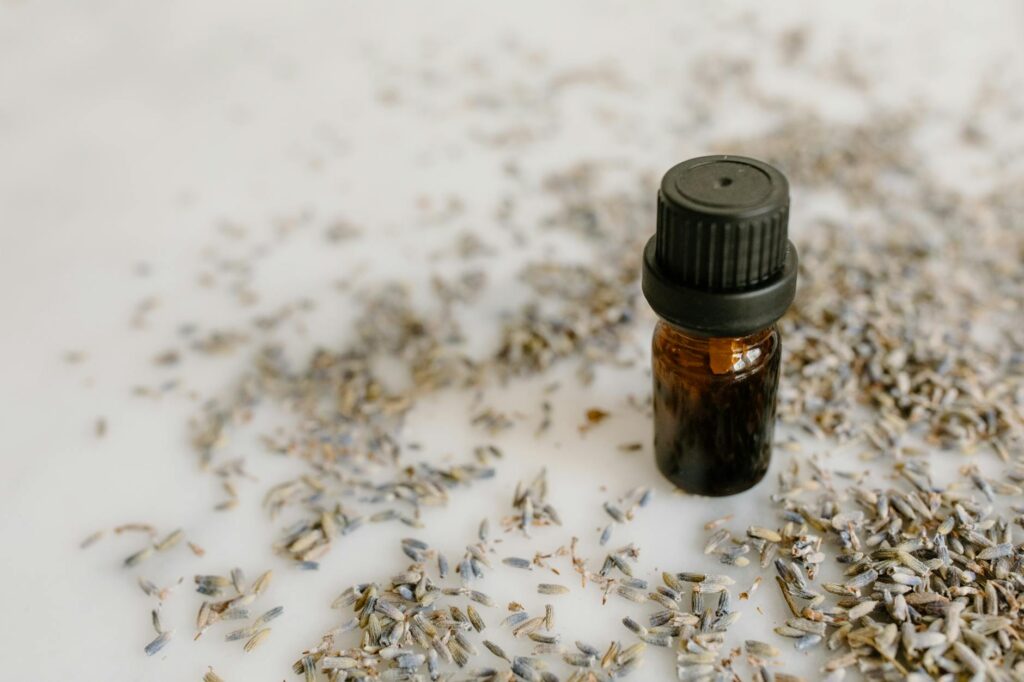
Complete Guide to Botanical Ingredients – Jojoba Oil
Introduction
Jojoba oil, derived from the seeds of the Simmondsia chinensis plant, has gained immense popularity in recent years, particularly in the fields of skincare, haircare, and aromatherapy. Known for its unique properties and versatility, jojoba oil is often classified as a botanical ingredient due to its natural origins and numerous applications. This comprehensive guide aims to delve into the characteristics, benefits, and uses of jojoba oil, providing an extensive overview for enthusiasts and practitioners alike.
What Is Botanical Ingredients – Jojoba Oil?
Jojoba oil is a liquid wax ester rather than a traditional vegetable oil. It is extracted from the seeds of the jojoba plant, which is native to the arid regions of North America, particularly in the Southwestern United States and Mexico. The jojoba plant is well-adapted to dry environments, and its seeds contain a high percentage of oil—approximately 50% by weight.
The extraction process typically involves cold-pressing the seeds, which helps to retain the oil’s natural properties. The resulting oil is golden yellow in color, with a light texture that closely resembles human sebum, the natural oil produced by our skin. This similarity makes jojoba oil particularly beneficial for various skin and hair applications.
Key Benefits and Properties
1. Moisturizing: Jojoba oil is an effective moisturizer, providing hydration without clogging pores. Its waxy consistency allows it to form a barrier on the skin, preventing water loss and keeping the skin supple.
2. Balancing: Due to its similarity to sebum, jojoba oil can help balance oil production in both oily and dry skin types. It can signal the skin to reduce excess oil production, making it suitable for acne-prone individuals.
3. Anti-inflammatory: Jojoba oil contains natural compounds that may help soothe inflammation and irritation. This property makes it a popular choice for sensitive skin and conditions like eczema or psoriasis.
4. Antioxidant-rich: The oil is rich in vitamins E and B, along with various antioxidants that help protect the skin from environmental stressors and free radicals.
5. Non-comedogenic: Unlike many oils, jojoba oil is non-comedogenic, meaning it does not clog pores, making it suitable for all skin types, including oily and acne-prone skin.
6. Antimicrobial properties: Some studies suggest that jojoba oil has antimicrobial properties, which can help to support skin health by reducing the presence of certain bacteria and fungi.
Common Uses
Jojoba oil’s diverse properties lend themselves to various applications, including:
- Skincare: It is widely used in moisturizers, facial oils, and serums due to its hydrating and balancing properties. It is also effective as a makeup remover and can be used to soothe sunburns and skin irritations.
- Haircare: Jojoba oil is a popular ingredient in shampoos, conditioners, and hair masks. It can help moisturize the scalp, reduce dandruff, and add shine to hair without weighing it down.
- Massage oil: Its light texture and skin-nourishing properties make jojoba oil an excellent base for massage blends, providing slip while also nourishing the skin.
- Carrier oil: Jojoba oil is often used as a carrier oil in aromatherapy, allowing essential oils to be safely applied to the skin.
- Lip care: Its moisturizing properties make it a great ingredient in lip balms and treatments, helping to keep lips hydrated and smooth.
- Lavender: Known for its calming effects, lavender essential oil blended with jojoba oil can be used for relaxation and stress relief.
- Tea Tree: With its antibacterial properties, tea tree oil combined with jojoba oil can be effective for treating blemishes and acne-prone skin.
- Peppermint: When blended with jojoba oil, peppermint oil can provide a refreshing sensation, making it ideal for use in scalp treatments.
- Patch Test: Before using jojoba oil for the first time, it is advisable to perform a patch test to check for any allergic reactions or sensitivities. Apply a small amount of oil to a discreet area of skin and wait 24 hours.
- Pregnancy and Nursing: While jojoba oil is generally regarded as safe, pregnant or nursing women should consult with a healthcare professional before using any new products.
- Interactions with Other Products: If you are using topical medications or treatments, consult a healthcare provider to ensure that jojoba oil does not interfere with their effectiveness.
Aromatherapy Applications
In aromatherapy, jojoba oil serves primarily as a carrier oil, which dilutes essential oils for topical application. Its unique ability to closely mimic the skin’s natural oils allows for effective absorption, making it an ideal choice for blending with various essential oils.
Common Essential Oils to Blend with Jojoba Oil:
When using jojoba oil as a carrier, it’s essential to adhere to recommended dilution guidelines, typically 1-5% essential oil to carrier oil.
Safety Considerations
While jojoba oil is generally considered safe for topical use, there are a few precautions to keep in mind:
Storage and Shelf Life
Proper storage is essential to maintain the quality and efficacy of jojoba oil. It should be kept in a cool, dark place, away from direct sunlight and heat sources. The oil is typically packaged in dark glass bottles to protect it from light degradation.
The shelf life of jojoba oil is relatively long, ranging from 1 to 2 years when stored properly. Signs that the oil may have gone rancid include an off smell, changes in color, or a thicker consistency. If any of these signs are present, it is best to dispose of the oil.
Frequently Asked Questions
1. Can jojoba oil be used on all skin types?
Yes, jojoba oil is suitable for all skin types, including oily, dry, and combination skin. Its non-comedogenic nature makes it particularly beneficial for acne-prone skin.
2. Is jojoba oil safe for sensitive skin?
Jojoba oil is often recommended for sensitive skin due to its anti-inflammatory properties and ability to soothe irritation.
3. Can I use jojoba oil in my hair?
Absolutely! Jojoba oil can be used as a hair conditioner, scalp treatment, or styling oil to add moisture and shine without weighing hair down.
4. How do I incorporate jojoba oil into my skincare routine?
Jojoba oil can be applied directly to the skin as a moisturizer or mixed with other products like serums or creams. It can also be used as a carrier oil for essential oils.
5. Does jojoba oil have any scent?
Jojoba oil has a very mild, nutty scent, which is generally not overpowering. This makes it a versatile base for blending with essential oils.
In conclusion, jojoba oil is a remarkable botanical ingredient with a wealth of benefits and applications. Its unique properties make it a valuable addition to any skincare, haircare, or aromatherapy regimen, offering nourishment and balance to a variety of skin and hair types. As with any natural product, understanding its uses and potential effects can enhance your experience and results.