
Complete Guide to Botanical Ingredients – Marigold Oil
Introduction
Marigold oil, derived from the vibrant flowers of the marigold plant (Tagetes spp.), is a cherished botanical ingredient in the world of essential oils and aromatherapy. Known for its bright orange and yellow hues, marigold oil carries a rich history in traditional practices, medicinal applications, and cosmetic formulations. This guide aims to provide a comprehensive overview of marigold oil, including its properties, benefits, applications, and safety considerations.
What Is Botanical Ingredients – Marigold Oil?
Marigold oil is extracted primarily from the flowers of the marigold plant, particularly Tagetes patula and Tagetes erecta. The extraction process typically involves steam distillation or solvent extraction, capturing the essence of the plant’s vibrant blooms. The oil is characterized by its distinctive sweet, floral fragrance, which can vary slightly between species.
Botanically, marigolds are part of the Asteraceae family, which includes many other well-known plants. They are native to the Americas but have since spread worldwide, and their cultivation has expanded due to their ornamental value and beneficial properties.
Key Benefits and Properties
Marigold oil is celebrated for its various benefits, which stem from its unique chemical composition. Some of the key components include:
- Linalool: Known for its calming properties, linalool contributes to the oil’s soothing aroma.
- Tagetone: This compound is believed to have anti-inflammatory and antimicrobial properties, making marigold oil beneficial for skin applications.
- Terpenes: These compounds provide marigold oil with its characteristic scent and are known for their uplifting effects.
- Cosmetics: Incorporated into lotions, creams, and serums for its skin-soothing properties.
- Aromatherapy Blends: Often combined with other essential oils to create calming and uplifting blends.
- Massage Oils: Used in combination with carrier oils for therapeutic massage, targeting relaxation and stress relief.
- Household Products: Can be added to cleaning solutions for its pleasant fragrance and potential antibacterial properties.
- Lavender: Enhances relaxation and promotes a peaceful environment.
- Bergamot: Uplifting and energizing, perfect for combating stress and anxiety.
- Geranium: Balances emotions and supports skin health.
- Patch Test: Always conduct a patch test before applying marigold oil to the skin to check for any allergic reactions.
- Dilution: When using marigold oil in topical applications, it is essential to dilute it with a carrier oil, such as jojoba or sweet almond oil, to prevent skin irritation.
- Pregnancy and Nursing: Pregnant or nursing individuals should consult with a qualified professional before using marigold oil or any essential oils.
- Photosensitivity: Although marigold oil is less likely to cause photosensitivity compared to citrus oils, it is advisable to avoid sun exposure after application to the skin.
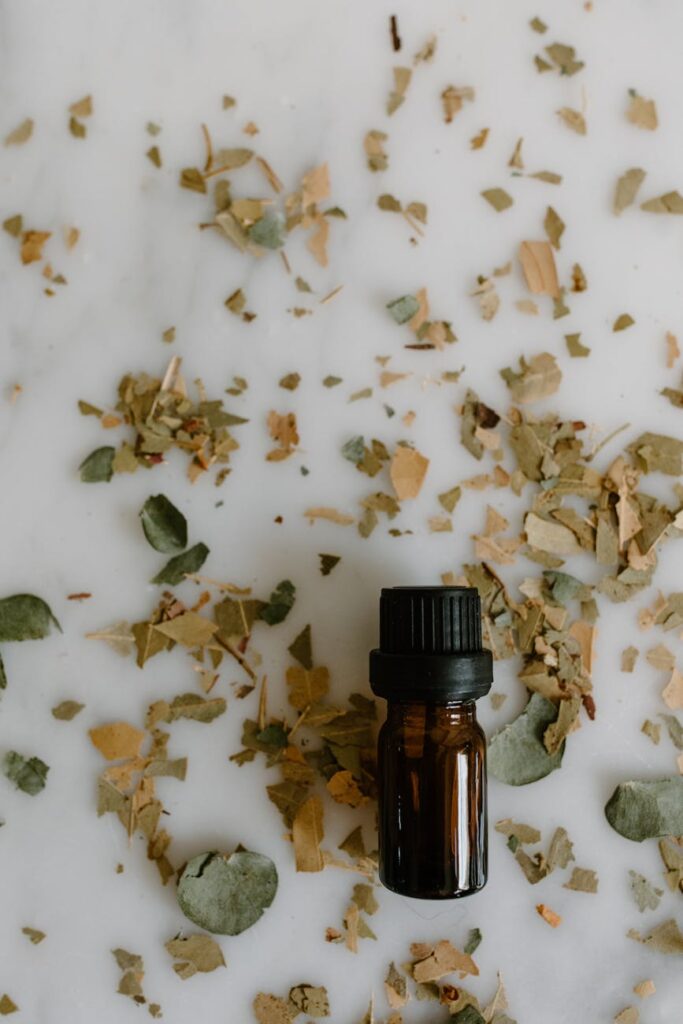
- Container: Store marigold oil in a dark glass bottle to protect it from light, which can degrade its quality.
- Temperature: Keep the oil in a cool, dry place away from direct sunlight and heat sources.
- Shelf Life: When stored correctly, marigold oil can last for 1 to 2 years. It’s advisable to check for any changes in scent or consistency, which may indicate that the oil has gone rancid or degraded.
Potential Benefits
1. Skin Care: Marigold oil is often used in skin care formulations due to its potential to soothe irritation, promote healing, and improve overall skin texture.
2. Mood Enhancement: The sweet, floral aroma of marigold oil can help alleviate stress and enhance mood, making it a popular choice in aromatherapy.
3. Anti-inflammatory Properties: Preliminary studies suggest that marigold oil may help reduce inflammation, making it a potential ingredient in formulations for sore muscles and joint discomfort.
Common Uses
Marigold oil can be utilized in various applications, making it a versatile ingredient in both personal care and household products. Some of the common uses include:
Aromatherapy Applications
In aromatherapy, marigold oil is valued for its ability to enhance emotional well-being and create a calming atmosphere. Its sweet and floral scent makes it an excellent choice for diffusers, room sprays, and personal inhalers.
Blending with Other Oils
Marigold oil blends well with various essential oils, including:
When creating blends, consider the ratios and the intended effects, ensuring that the marigold oil’s aromatic profile complements the other essential oils.
Safety Considerations
While marigold oil is generally regarded as safe for topical and aromatic use, some precautions should be observed:
Storage and Shelf Life
To maintain the quality and potency of marigold oil, proper storage is essential. Consider the following guidelines:
Frequently Asked Questions
1. Is marigold oil safe for children?
While marigold oil is generally considered safe, it is advisable to consult with a healthcare professional before using any essential oils on children. Always dilute the oil appropriately before application.
2. Can marigold oil be ingested?
Marigold oil is primarily used for external application and aromatherapy. Ingesting essential oils should only be done under the guidance of a qualified healthcare professional, as some essential oils can be toxic if ingested.
3. What is the difference between marigold oil and calendula oil?
Although often confused, marigold oil (Tagetes spp.) and calendula oil (Calendula officinalis) come from different plants. Calendula oil is more commonly used for its skin healing properties, while marigold oil is known for its aromatic and mood-enhancing benefits.
4. How can I use marigold oil in my skincare routine?
Marigold oil can be added to your skincare routine by incorporating it into your existing products, such as lotions or serums, or by creating your own blends with carrier oils. Always ensure that it is diluted appropriately before applying it to the skin.
5. Where can I purchase marigold oil?
Marigold oil is available at health food stores, specialty aromatherapy shops, and online retailers. Ensure that you choose a reputable source and look for high-quality, pure essential oil.
Conclusion
Marigold oil is a delightful and versatile botanical ingredient, known for its aromatic properties and various applications. From enhancing emotional well-being to supporting skin health, marigold oil offers a range of benefits that make it a valuable addition to any essential oil collection. By understanding its properties, uses, and safety considerations, individuals can explore the many ways marigold oil can enrich their lives, both aromatically and topically.