
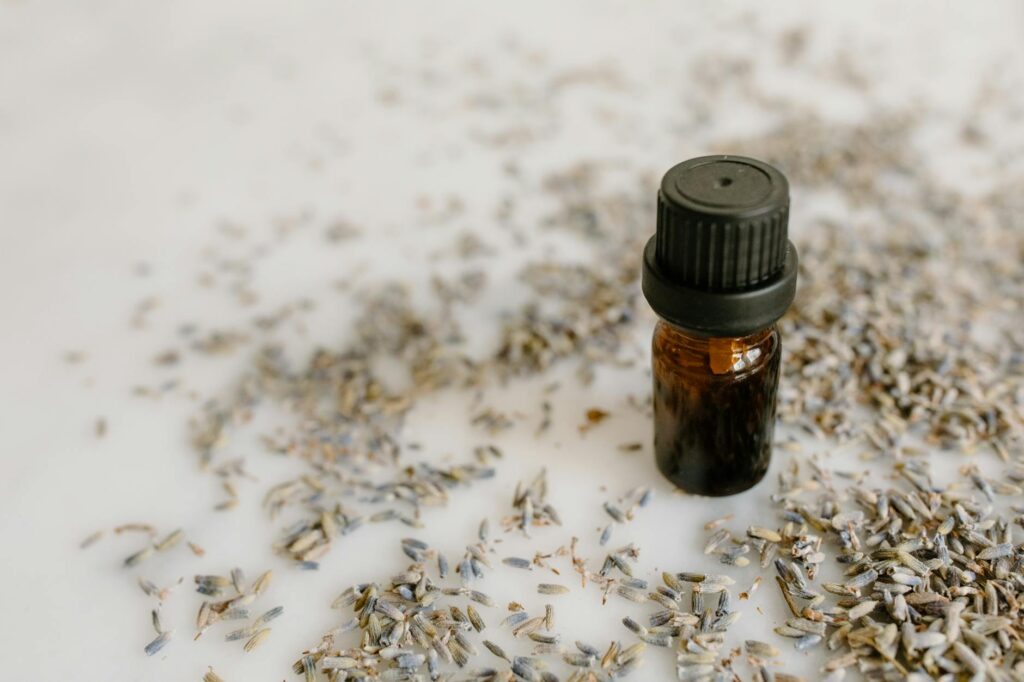
Complete Guide to Botanical Ingredients – Pomegranate Seed Oil
Introduction
Pomegranate seed oil has gained significant attention in both the cosmetic and aromatherapy industries due to its rich nutrient profile and versatile applications. As a botanical ingredient, it is celebrated for its potential skin benefits, its antioxidant properties, and its unique aromatic qualities. This guide aims to provide a comprehensive understanding of pomegranate seed oil, covering its origins, benefits, uses, and safety considerations.
What Is Botanical Ingredients – Pomegranate Seed Oil?
Pomegranate seed oil is derived from the seeds of the pomegranate fruit (Punica granatum). This oil is extracted through a cold-press process, which helps to preserve its valuable nutrients and beneficial compounds. The pomegranate, a fruit with a long history of use in various cultures, is renowned for its vibrant red color and numerous seeds, each encased in a juicy aril.
The oil itself has a golden hue and a slightly nutty, earthy aroma. It is rich in essential fatty acids, particularly punicic acid, a type of conjugated linoleic acid that is unique to pomegranate seeds. Additionally, the oil contains a plethora of antioxidants, vitamins, and phytochemicals that contribute to its health-promoting properties.
Key Benefits and Properties
Pomegranate seed oil is celebrated for its numerous benefits, which can be categorized into several key properties:
1. Antioxidant Rich
One of the standout features of pomegranate seed oil is its high antioxidant content. Antioxidants help to combat oxidative stress, which can lead to premature skin aging and various health issues. The oil contains compounds such as punicalagins and anthocyanins, which are known for their ability to neutralize free radicals.
2. Anti-Inflammatory
Pomegranate seed oil has been recognized for its anti-inflammatory properties. This makes it a popular choice for soothing irritated skin and reducing redness, making it suitable for conditions such as eczema or rosacea.
3. Hydration and Moisture Retention
The oil is rich in essential fatty acids, which play a crucial role in maintaining skin hydration. By forming a protective barrier on the skin, pomegranate seed oil helps to lock in moisture and prevent transepidermal water loss.
4. Skin Regeneration
Pomegranate seed oil is believed to promote skin regeneration. Its ability to encourage cell turnover can help to improve the appearance of scars, fine lines, and uneven skin tone.
5. Hormonal Balance
Some studies suggest that pomegranate seed oil may have a role in supporting hormonal balance. This property makes it a topic of interest in discussions surrounding women’s health, particularly during menopause.
Common Uses
Pomegranate seed oil is utilized in various domains, including skincare, hair care, and culinary applications. Here are some of the most common uses:
1. Skincare
- Moisturizer: Due to its hydrating properties, pomegranate seed oil can be used as a facial oil or mixed with creams and lotions.
- Serums: Its regenerative qualities make it a popular ingredient in anti-aging serums.
- Massage Oil: The oil can be blended with carrier oils for therapeutic massage.
2. Hair Care
Pomegranate seed oil can enhance hair health by providing hydration and nourishment to the scalp and hair strands. It is often included in hair serums and conditioners to promote shine and manageability.
3. Culinary Uses
While less common, pomegranate seed oil can also be used in culinary applications. It adds a unique flavor to dressings and marinades, providing both a nutritional boost and a distinctive taste.
Aromatherapy Applications
In aromatherapy, pomegranate seed oil is valued for its unique scent and potential emotional benefits. Although it is not typically used as a primary essential oil due to its heavier consistency, it can be blended with other lighter oils to create customized aromatic experiences.
1. Emotional Well-Being
The earthy aroma of pomegranate seed oil is believed to have grounding effects, promoting feelings of calm and balance. When combined with other essential oils like lavender or bergamot, it can enhance relaxation during massage or meditation sessions.
2. Diffusion
When diffused, pomegranate seed oil can fill a space with its rich aroma, creating an inviting atmosphere. It can be blended with other oils to complement its scent.
3. Skin Care in Aromatherapy
As a carrier oil, pomegranate seed oil can be used to dilute essential oils for topical applications, ensuring safe application on the skin. This makes it a valuable ingredient in aromatherapy blends aimed at skincare.
Safety Considerations
While pomegranate seed oil is generally safe for external use, there are some considerations to keep in mind:
1. Skin Sensitivity
As with any new ingredient, it is advisable to conduct a patch test before widespread use. Apply a small amount of diluted oil to an inconspicuous area of skin and observe for any adverse reactions.
2. Allergies
Individuals with known allergies to pomegranate or related fruits should avoid using pomegranate seed oil.
3. Pregnancy and Nursing
There is limited research on the safety of pomegranate seed oil during pregnancy and lactation. It is always best to consult with a healthcare provider before using any new products during these times.
Storage and Shelf Life
Proper storage is essential to maintain the quality and efficacy of pomegranate seed oil. Here are some guidelines:
1. Temperature
Store pomegranate seed oil in a cool, dark place to prevent oxidation. Exposure to heat and light can degrade the oil, reducing its effectiveness.
2. Packaging
Opt for glass containers, as they offer better protection against light and air compared to plastic. Ensure that the container is tightly sealed to minimize exposure to air.
3. Shelf Life
Typically, pomegranate seed oil has a shelf life of about 12 to 24 months when stored correctly. Always check for any changes in aroma, color, or consistency before use.
Frequently Asked Questions
1. Can pomegranate seed oil be used on all skin types?
Yes, pomegranate seed oil is suitable for most skin types, including dry, oily, and sensitive skin. Its anti-inflammatory properties make it especially beneficial for irritated skin.
2. How do I incorporate pomegranate seed oil into my skincare routine?
Pomegranate seed oil can be used on its own as a moisturizer or mixed with other skincare products, such as creams or serums. It can also be used as a carrier oil for essential oils.
3. Is pomegranate seed oil safe for facial use?
Yes, pomegranate seed oil is often recommended for facial use due to its hydrating and regenerative properties. However, always perform a patch test first.
4. Can I use pomegranate seed oil in cooking?
While it can be used in small amounts for flavoring, pomegranate seed oil is more commonly utilized in skincare and aromatherapy. Ensure it is food-grade if you choose to use it in culinary applications.
5. How should I blend pomegranate seed oil with essential oils?
For topical applications, dilute pomegranate seed oil with a few drops of your chosen essential oil. A general guideline is to use a 1-2% dilution, which means about 1-2 drops of essential oil for every teaspoon of carrier oil.
Conclusion
Pomegranate seed oil is a remarkable botanical ingredient with a wealth of benefits and applications. Its rich nutrient profile, combined with its versatility in skincare, hair care, and aromatherapy, makes it a valuable addition to both personal care routines and holistic practices. As with any natural product, understanding its properties and safety considerations can empower users to make informed choices in their wellness journey.