
Complete Guide to Botanical Ingredients – Prickly Pear Seed Oil
Introduction
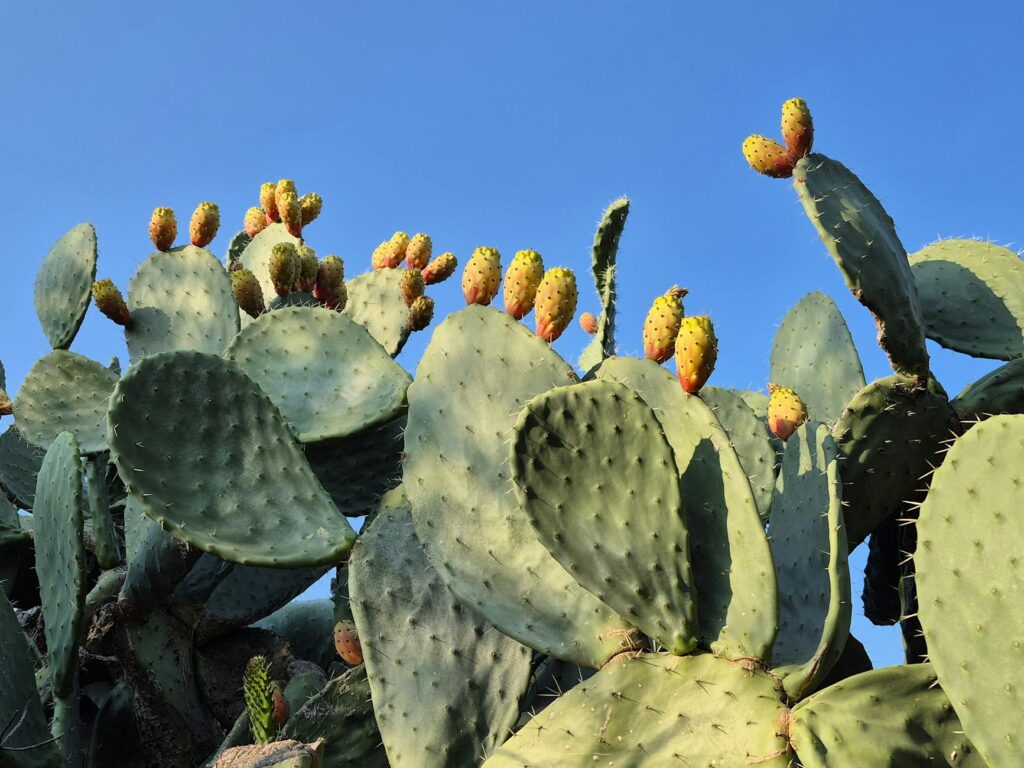
In recent years, the beauty and wellness industry has seen a remarkable surge in the popularity of botanical ingredients, particularly essential oils and plant extracts. Among these, Prickly Pear Seed Oil has gained attention for its unique properties and versatility. Extracted from the seeds of the Opuntia ficus-indica, commonly known as the prickly pear or cactus fruit, this oil is celebrated for its nourishing, hydrating, and rejuvenating qualities. This guide will explore the origins, benefits, applications, and care considerations associated with Prickly Pear Seed Oil.
What Is Botanical Ingredients – Prickly Pear Seed Oil?
Prickly Pear Seed Oil, also referred to as Barbary Fig Oil or Opuntia Oil, is a cold-pressed oil derived from the seeds of the prickly pear cactus. This plant is native to Mexico, but it is also cultivated in various regions around the world, including North Africa and parts of the Mediterranean. The oil itself is light yellow to greenish in color and is characterized by its nutty aroma.
The extraction process involves removing the seeds from the fruit, followed by cold-pressing them to retain the oil’s beneficial properties. This oil is rich in essential fatty acids, antioxidants, vitamins, and minerals, contributing to its reputation as a potent skincare ingredient.
Key Benefits and Properties
Prickly Pear Seed Oil is renowned for several key benefits and properties that make it a valuable addition to personal care products:
1. High in Essential Fatty Acids
- The oil contains a high concentration of linoleic acid (Omega-6) and oleic acid (Omega-9), which help maintain skin hydration and barrier function.
- Packed with vitamin E and betalains, Prickly Pear Seed Oil offers significant antioxidant benefits, helping to neutralize free radicals and reduce oxidative stress on the skin.
- This oil is known for its excellent hydrating properties, making it suitable for various skin types, including dry and sensitive skin.
- The oil promotes skin elasticity and can help reduce the appearance of fine lines and wrinkles, contributing to a youthful complexion.
- Its anti-inflammatory properties can soothe irritated skin, making it beneficial for those with conditions such as eczema or psoriasis.
- Unlike some oils, Prickly Pear Seed Oil is non-comedogenic, meaning it does not clog pores and is suitable for acne-prone skin.
- Used in facial oils, creams, and serums to enhance hydration and rejuvenate the skin.
- Incorporated into shampoos and conditioners, it helps moisturize the scalp, strengthen hair, and add shine.
- Found in body lotions and creams, it can provide nourishment and hydration to the skin.
- Its light texture and skin benefits make it an ideal base for massage oils.
- Often used in makeup formulations for its nourishing properties and ability to improve skin texture.
- Due to its light texture, it serves as an excellent carrier oil for diluting essential oils before topical application.
- It can be blended with essential oils like lavender, bergamot, or chamomile to create soothing and relaxing blends.
- While Prickly Pear Seed Oil itself is not typically diffused, it can be added to oil blends used in diffusers to enhance the therapeutic properties of essential oils.
- Before applying the oil to larger areas of the skin, it is advisable to conduct a patch test to check for any allergic reactions.
- If you have specific skin conditions or are pregnant, it is wise to consult with a qualified professional before using any new botanical ingredient.
- Proper storage is crucial to maintain the oil’s quality and efficacy.
- Store the oil in a cool, dark place, away from direct sunlight and heat, to prevent oxidation.
- Ensure the bottle is tightly sealed to minimize exposure to air, which can degrade the oil.
- When stored properly, Prickly Pear Seed Oil has a shelf life of approximately 1 to 2 years. However, it’s advisable to check for any changes in color, smell, or texture before use.
2. Rich in Antioxidants
3. Moisturizing Properties
4. Skin Rejuvenation
5. Anti-Inflammatory Effects
6. Non-Comedogenic
Common Uses
Prickly Pear Seed Oil is highly versatile and can be used in various applications, including:
1. Skincare
2. Hair Care
3. Body Care
4. Massage Oils
5. Cosmetics
Aromatherapy Applications
While Prickly Pear Seed Oil is primarily recognized for its skincare benefits, it also holds a place in aromatherapy for its calming and balancing effects. When combined with essential oils, it can enhance the overall experience of an aromatherapy session. Here are some ways to incorporate it:
1. Carrier Oil
2. Blends
3. Diffusion
Safety Considerations
Prickly Pear Seed Oil is generally considered safe for topical use. However, it is essential to follow a few precautions:
1. Patch Test
2. Consultation
3. Storage
Storage and Shelf Life
To preserve the integrity of Prickly Pear Seed Oil, follow these storage guidelines:
1. Cool, Dark Place
2. Tightly Sealed Container
3. Shelf Life
Frequently Asked Questions
1. Is Prickly Pear Seed Oil suitable for all skin types?
Yes, Prickly Pear Seed Oil is suitable for all skin types, including sensitive and acne-prone skin, due to its non-comedogenic nature.
2. Can I use Prickly Pear Seed Oil on my hair?
Yes, it can be used in hair care products to nourish the scalp and enhance hair shine.
3. How do I incorporate it into my skincare routine?
You can incorporate it as a standalone facial oil, mix it with your moisturizer, or use it in serums and creams.
4. Does it have any scent?
Prickly Pear Seed Oil has a mild, nutty aroma, which is generally subtle and blends well with other essential oils.
5. Is it safe to use during pregnancy?
While Prickly Pear Seed Oil is generally safe, it is advisable to consult with a healthcare professional if you are pregnant or nursing.
6. Can I ingest Prickly Pear Seed Oil?
Prickly Pear Seed Oil is primarily intended for external use, and ingestion is not recommended without guidance from a healthcare provider.
Conclusion
Prickly Pear Seed Oil stands out as a remarkable botanical ingredient, offering a plethora of benefits for skincare and wellness. Its rich composition of essential fatty acids, antioxidants, and hydrating properties make it an essential addition to personal care formulations. As interest in natural and effective ingredients continues to grow, Prickly Pear Seed Oil is poised to remain a beloved choice among consumers and formulators alike. By understanding its properties, uses, and safety considerations, you can confidently incorporate this oil into your beauty and wellness regimen.