
Complete Guide to Botanical Ingredients – Pumpkin Seed Oil
Introduction
Pumpkin seed oil, derived from the seeds of the pumpkin plant (Cucurbita pepo), has garnered attention for its rich nutritional profile and diverse applications in both culinary and cosmetic fields. Known for its distinct flavor and vibrant green color, this oil is celebrated not only for its culinary uses but also for its array of potential benefits in skincare and aromatherapy. This guide aims to provide a comprehensive overview of pumpkin seed oil, including its properties, benefits, uses, and safety considerations.
What Is Botanical Ingredients – Pumpkin Seed Oil?
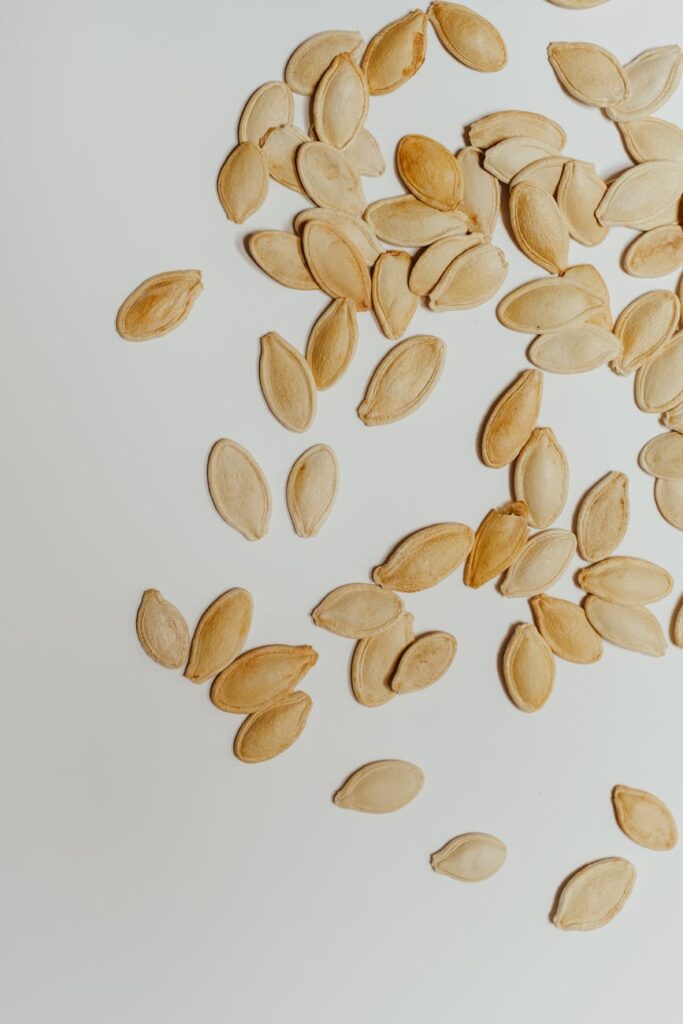
Pumpkin seed oil is a cold-pressed oil extracted from the seeds of the pumpkin plant. The oil is characterized by its deep green hue and nutty, slightly sweet flavor, which makes it a popular addition to dressings, marinades, and dips. Pumpkin seeds, also known as pepitas, are rich in essential fatty acids, vitamins, and minerals, contributing to the oil’s numerous health benefits.
The extraction process typically involves the following steps:
1. Harvesting: Pumpkin seeds are harvested from ripe pumpkins, usually in late summer or fall.
2. Cleaning: The seeds are cleaned to remove any debris or pulp.
3. Roasting: Some producers roast the seeds to enhance flavor, while others opt for unroasted seeds to preserve their nutrients.
4. Pressing: The seeds are cold-pressed to extract the oil, a method that helps retain essential nutrients and flavor compounds.
5. Filtering: The oil is filtered to remove solid particles, resulting in a clear, vibrant oil.
Key Benefits and Properties
Pumpkin seed oil is lauded for its rich nutritional profile, which includes:
- Essential Fatty Acids: It is particularly high in omega-3 and omega-6 fatty acids, which are known for their anti-inflammatory properties.
- Vitamins: The oil contains vitamins such as E, A, and K, which contribute to skin health and overall well-being.
- Minerals: Pumpkin seed oil is an excellent source of magnesium, zinc, and iron, all of which play essential roles in various bodily functions.
- Antioxidants: The oil is rich in antioxidants, including carotenoids and tocopherols, which help combat oxidative stress.
- Salad Dressings: Its nutty flavor makes it an excellent base for salad dressings.
- Cooking Oil: While it has a low smoke point, it can be used for light sautéing or drizzling over finished dishes.
- Baking: Pumpkin seed oil can be incorporated into baked goods for added flavor and nutrition.
- Dips and Spreads: It can enhance the richness of hummus, pesto, and other spreads.
- Moisturizer: Its emollient properties make it a popular ingredient in creams and lotions.
- Hair Care: Pumpkin seed oil can help nourish the scalp and promote healthy hair growth.
- Massage Oil: Used in massage blends for its moisturizing properties and pleasant scent.
- Nutritional Supplement: Some people consume pumpkin seed oil for its potential health benefits, including support for prostate health and overall wellness.
- Allergies: Individuals with allergies to pumpkin or other members of the Cucurbitaceae family should avoid using pumpkin seed oil.
- Pregnancy and Nursing: Pregnant or nursing women should consult a healthcare professional before using pumpkin seed oil, particularly in concentrated forms.
- Skin Sensitivity: A patch test is recommended before using pumpkin seed oil topically, especially for individuals with sensitive skin.
- Quality: Always choose high-quality, cold-pressed pumpkin seed oil to ensure maximum benefits and avoid adulterants.
- Container: Use a dark glass bottle to protect the oil from light exposure, which can degrade its quality.
- Temperature: Store in a cool, dark place, away from heat sources. Refrigeration can help prolong shelf life.
- Shelf Life: Typically, cold-pressed pumpkin seed oil has a shelf life of about 6–12 months, depending on storage conditions. Check for any off smells or changes in appearance before use.
These properties make pumpkin seed oil beneficial for various applications, including skin hydration, hair health, and general wellness.
Common Uses
Pumpkin seed oil has a wide range of uses across culinary, cosmetic, and therapeutic domains:
Culinary Uses
Cosmetic Uses
Therapeutic Uses
Aromatherapy Applications
In aromatherapy, pumpkin seed oil is often used in conjunction with essential oils to create blends that promote relaxation and well-being. While pumpkin seed oil itself is not an essential oil, its carrier oil properties make it an excellent base for diluting essential oils.
Diffusion
Although pumpkin seed oil is not typically used for diffusion, it can be blended with more potent essential oils to create a soothing aromatic experience. Essential oils such as lavender, chamomile, or cedarwood can be mixed with pumpkin seed oil for topical applications or added to a warm bath for relaxation.
Topical Applications
When mixed with essential oils, pumpkin seed oil can be applied to the skin for its moisturizing benefits. It is often used in massage oils, where its smooth texture enhances the massage experience while providing nourishment to the skin.
Safety Considerations
While pumpkin seed oil is generally considered safe for most individuals, there are a few safety considerations to keep in mind:
Storage and Shelf Life
Pumpkin seed oil should be stored properly to maintain its quality and extend its shelf life:
Frequently Asked Questions
Is pumpkin seed oil suitable for all skin types?
Pumpkin seed oil is generally well-tolerated and suitable for various skin types, including dry, oily, and combination skin. However, individuals with specific sensitivities should perform a patch test before full application.
Can pumpkin seed oil be ingested?
Yes, pumpkin seed oil is safe for culinary use and can be ingested in moderate quantities. It is often used as a dietary supplement for its nutritional benefits.
How does pumpkin seed oil compare to other carrier oils?
Pumpkin seed oil has a unique nutrient profile, rich in fatty acids and antioxidants, making it different from other common carrier oils like coconut or jojoba oil. It is particularly noted for its ability to nourish and hydrate the skin.
Can pumpkin seed oil be used in hair care products?
Absolutely! Pumpkin seed oil is often included in hair care products for its moisturizing properties, promoting healthy hair and scalp.
What are the best ways to use pumpkin seed oil in cooking?
Pumpkin seed oil is best used as a finishing oil, drizzled over salads, vegetables, or grains to enhance flavor. It can also be used in dips and sauces.
Conclusion
Pumpkin seed oil is a versatile and nutrient-rich botanical ingredient with a wide range of applications. From culinary uses to skincare and aromatherapy, its unique properties make it a valuable addition to your wellness and beauty routines. By understanding its benefits, uses, and safety considerations, you can incorporate pumpkin seed oil into your lifestyle effectively. Whether you enjoy it in your meals or use it for its nourishing qualities, pumpkin seed oil promises to enrich your overall well-being.