
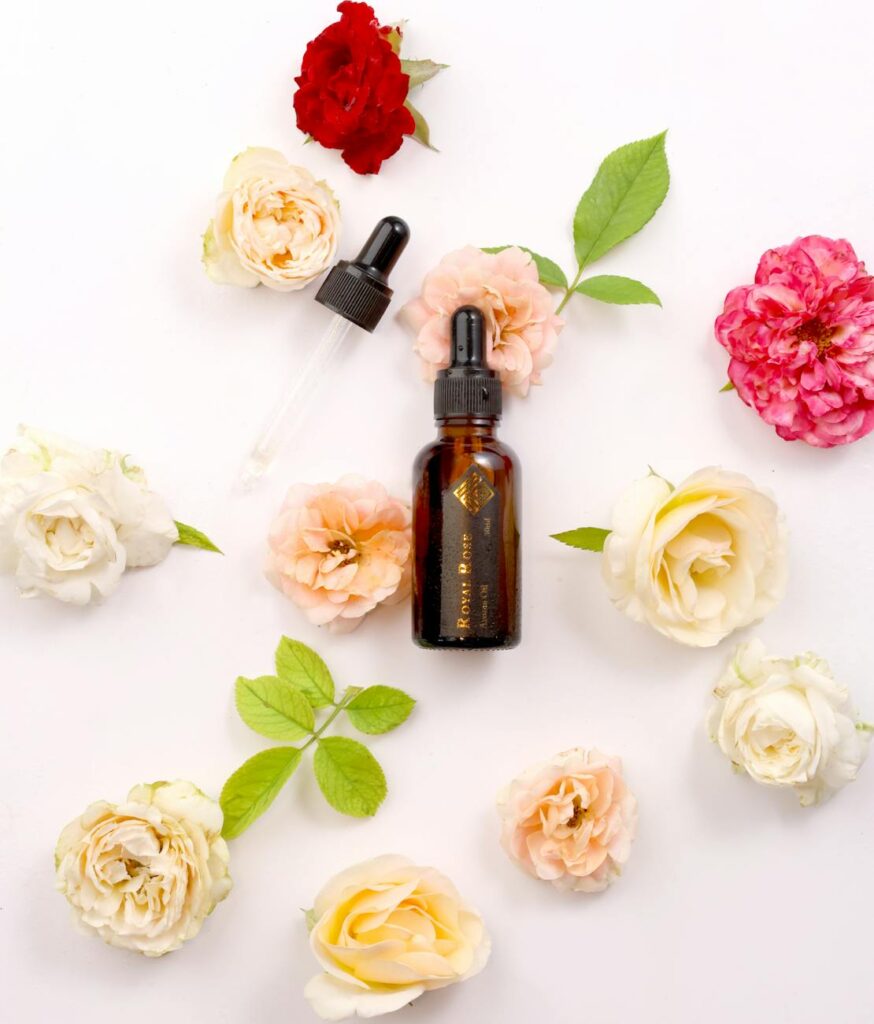
Complete Guide to Botanical Ingredients – Rose Oil
Introduction
Rose oil, extracted from the petals of the Rosa damascena, is one of the most cherished essential oils in the realm of aromatherapy and natural wellness. Renowned for its exquisite fragrance and diverse applications, rose oil has been utilized for centuries in various cultures for its emotional, aesthetic, and therapeutic properties. This guide explores the characteristics, benefits, and uses of rose oil, as well as important safety considerations to ensure safe and effective usage.
What Is Botanical Ingredients – Rose Oil?
Rose oil, often referred to as rose essential oil, is derived from the delicate petals of the rose plant. The extraction process typically involves steam distillation or solvent extraction, with steam distillation being the most common method for producing high-quality rose oil. The oil is characterized by its rich, floral aroma and is often considered a luxury item due to the extensive labor and large quantities of rose petals required to produce even a small amount of oil.
There are several varieties of rose oil, with Rosa damascena and Rosa centifolia being the most prominent. Each type has unique aromatic profiles and properties, but all share the quintessential floral scent that has captivated people throughout history.
Key Benefits and Properties
Rose oil is celebrated for its numerous benefits, both for emotional and physical well-being. Some key properties include:
- Antidepressant: The uplifting scent of rose oil is believed to help alleviate feelings of sadness and anxiety, promoting a sense of calm and relaxation.
- Antiseptic: Rose oil possesses natural antiseptic properties, making it beneficial for skin care and minor wounds.
- Anti-inflammatory: The oil may help reduce redness and inflammation, making it a popular choice for soothing skin irritations.
- Aphrodisiac: Historically, rose oil has been associated with romance and love, often used to enhance intimate experiences.
- Emotional Balancer: The oil is thought to help balance emotions, supporting overall mental wellness.
- Facial serums
- Moisturizers
- Masks
- Bath oils
- Containers: Store rose oil in dark glass bottles to protect it from light exposure. Avoid plastic containers, as essential oils can degrade plastic over time.
- Temperature: Keep the oil in a cool environment, ideally between 60°F and 70°F (15°C to 21°C), to prevent degradation.
- Shelf Life: When stored properly, rose oil typically has a shelf life of 2 to 3 years. However, it is always best to check for any changes in aroma or appearance before use.
These properties make rose oil a versatile ingredient in various applications, from skincare to aromatherapy.
Common Uses
Rose oil has a wide array of uses across different domains:
1. Skincare
Rose oil is frequently incorporated into skincare products due to its moisturizing and anti-inflammatory properties. It can help soothe irritated skin, reduce the appearance of scars, and improve skin texture. It is often used in formulations for:
2. Aromatherapy
In aromatherapy, rose oil is commonly diffused or inhaled to promote relaxation and emotional balance. Its scent is believed to help reduce stress and anxiety, making it a popular choice for meditation and self-care practices.
3. Perfume
The intoxicating fragrance of rose oil has made it a staple in the perfume industry. Its rich floral notes provide a luxurious foundation for many fragrances, enhancing overall scent profiles.
4. Culinary Uses
While less common, rose oil can also be used in culinary applications. It’s often added to desserts, teas, and confections, offering a unique flavor that complements various dishes. It is important to ensure that the oil is food-grade if used in cooking.
5. Household Products
Rose oil can also be found in household items such as candles, potpourri, and air fresheners, where its fragrance can enhance the atmosphere of a space.
Aromatherapy Applications
In aromatherapy, rose oil can be utilized in various ways:
Diffusion
Using a diffuser, rose oil can be dispersed into the air, allowing its soothing aroma to fill a room. This method is effective for creating a calming environment.
Topical Application
Rose oil can be diluted with a carrier oil (such as jojoba or sweet almond oil) before being applied to the skin. This method can help enhance its benefits for skincare and emotional well-being.
Bathing
Adding a few drops of rose oil to a warm bath can create a luxurious, relaxing experience. The oil not only scents the water but can also nourish the skin.
Inhalation
Inhaling rose oil directly from the bottle or by placing a few drops on a cotton ball can provide immediate emotional relief and promote a sense of calm.
Safety Considerations
While rose oil is generally regarded as safe for most individuals, there are important safety considerations to keep in mind:
Dilution
Always dilute rose oil with a carrier oil before applying it to the skin to avoid irritation or allergic reactions. A common dilution ratio is 2-3 drops of essential oil per teaspoon of carrier oil.
Patch Test
Before using rose oil topically, it is advisable to conduct a patch test. Apply a small diluted amount to a discreet area of skin to check for any adverse reactions.
Pregnancy and Nursing
It’s recommended for pregnant or nursing individuals to consult with a healthcare professional before using rose oil, as its effects during these periods are not well-studied.
Children and Pets
Rose oil should be used cautiously around children and pets. Always consult with a healthcare professional before introducing essential oils to children or animals.
Storage
Store rose oil in a cool, dark place, away from direct sunlight and heat to preserve its potency and extend its shelf life.
Storage and Shelf Life
Proper storage is crucial for maintaining the quality of rose oil. Here are some guidelines:
Frequently Asked Questions
1. What is the difference between rose oil and rose absolute?
Rose oil is extracted through steam distillation, while rose absolute is produced using solvent extraction. Rose absolute has a more intense fragrance and is often used in perfumes, whereas rose oil is preferred for therapeutic applications.
2. Can rose oil be used for all skin types?
While rose oil is generally suitable for most skin types, individuals with sensitive or reactive skin should proceed with caution and conduct a patch test before full application.
3. Is rose oil safe for infants?
Rose oil is not typically recommended for use on infants. Always consult a healthcare professional for guidance before using essential oils around children.
4. How can I tell if my rose oil is pure?
Pure rose oil should have a deep, rich fragrance and should not contain synthetic additives. Consider purchasing from reputable suppliers and checking for certifications or purity tests.
5. Can rose oil be ingested?
Ingesting essential oils, including rose oil, should only be done under the guidance of a qualified health professional. Many essential oils can be toxic if consumed improperly.
Conclusion
Rose oil is a remarkable botanical ingredient with a rich history and a wide range of benefits. Whether used in skincare, aromatherapy, or culinary applications, its enchanting aroma and therapeutic properties make it a valuable addition to any natural wellness regimen. As with any essential oil, it’s essential to respect safety guidelines and storage recommendations to fully enjoy the benefits of this exquisite oil.