
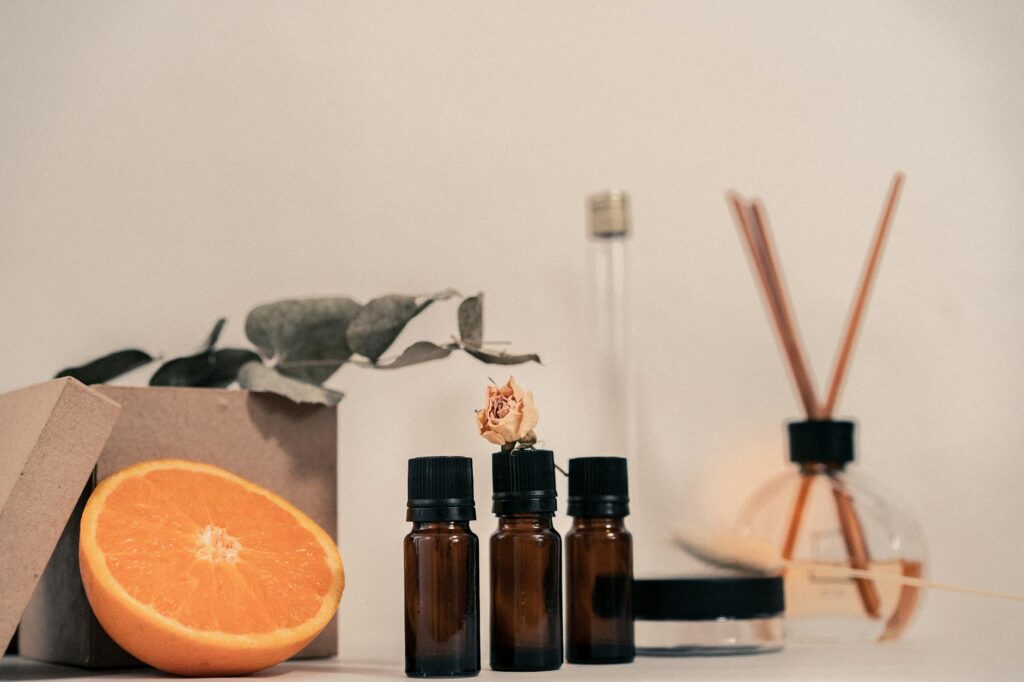
Complete Guide to Botanical Ingredients – Sweet Orange Oil
Introduction
Sweet orange oil, derived from the peel of the Citrus sinensis fruit, is one of the most popular essential oils used in aromatherapy and natural wellness practices. Its uplifting scent and versatile properties make it a favorite among enthusiasts and practitioners alike. This article provides a comprehensive overview of sweet orange oil, including its benefits, common uses, applications in aromatherapy, safety considerations, storage guidelines, and frequently asked questions.
What Is Botanical Ingredients – Sweet Orange Oil?
Sweet orange oil is an essential oil extracted through cold-pressing the zest of the sweet orange fruit. The process involves mechanically pressing the outer peel to release the oil, which captures the fruit’s aromatic compounds. The resulting oil is characterized by its bright, citrusy aroma and vibrant yellow color.
The sweet orange tree is native to Southeast Asia but is now cultivated in various subtropical and tropical regions worldwide, including Brazil, the United States, and Spain. The oil is not only valued for its fragrance but also for its various beneficial properties.
Key Benefits and Properties
1. Uplifting Aroma
One of the most notable features of sweet orange oil is its refreshing and uplifting aroma. This bright scent is often associated with feelings of joy and positivity, making it a popular choice for enhancing mood and alleviating stress.
2. Antioxidant Properties
Sweet orange oil contains compounds such as limonene, which possess antioxidant properties. These compounds help neutralize free radicals in the body, contributing to overall wellness.
3. Antibacterial and Antifungal Qualities
Research has suggested that sweet orange oil may exhibit antibacterial and antifungal properties, allowing it to be used in various cleaning formulations and personal care products.
4. Skin Benefits
Due to its potential skin-soothing and brightening effects, sweet orange oil is often included in skincare formulations. It may help to enhance the skin’s appearance, although it should always be diluted before topical application.
Common Uses
Sweet orange oil enjoys a wide range of applications across different domains. Below are some of the most common uses:
1. Aromatherapy
In aromatherapy, sweet orange oil is often used in diffusers to create a cheerful atmosphere. Its uplifting properties make it a popular choice for reducing anxiety and promoting relaxation.
2. Household Cleaning
Thanks to its antibacterial qualities and pleasant scent, sweet orange oil is frequently incorporated into natural cleaning products. It can be added to homemade cleaners or used to freshen up spaces.
3. Skincare
Sweet orange oil is a common ingredient in various skincare products such as lotions, creams, and serums. It can help to improve skin tone and texture when used properly.
4. Culinary Uses
In culinary applications, sweet orange oil is sometimes utilized as a flavoring agent in desserts, beverages, and marinades. However, it should be noted that not all essential oils are safe for consumption, and care should be taken to source food-grade oils.
Aromatherapy Applications
1. Diffusion
Sweet orange oil can be diffused in various ways, including using an essential oil diffuser or simply adding a few drops to a bowl of hot water. Inhaling the aroma can help uplift spirits and reduce stress.
2. Massage
When blended with a carrier oil, sweet orange oil can be used in massage. The aroma can enhance relaxation while the physical touch provides additional benefits.
3. Bathing
Adding sweet orange oil to bathwater can create a soothing and aromatic experience. Always ensure that the oil is diluted properly to avoid skin irritation.
4. Room Sprays
Creating a natural room spray with sweet orange oil can help eliminate odors while providing a fresh scent. Combine water, sweet orange oil, and a natural emulsifier like witch hazel in a spray bottle for an easy DIY solution.
Safety Considerations
While sweet orange oil is generally regarded as safe for use, there are some important safety considerations to keep in mind:
1. Skin Sensitivity
As with many essential oils, sweet orange oil can cause skin irritation in some individuals, especially when applied undiluted. Always dilute with a carrier oil before topical application.
2. Phototoxicity
Sweet orange oil may be phototoxic, meaning it can cause skin sensitivity when exposed to sunlight. It is advisable to avoid direct sunlight for at least 12 hours after applying the oil to the skin.
3. Pregnancy and Nursing
Though sweet orange oil is often considered safe, pregnant or nursing women should consult a qualified practitioner before using it, as individual sensitivities may vary.
4. Allergies
Individuals with citrus allergies should avoid using sweet orange oil, as it may trigger allergic reactions.
Storage and Shelf Life
To maintain the integrity and potency of sweet orange oil, proper storage is essential:
1. Storage Conditions
Store sweet orange oil in a cool, dark place, away from direct sunlight, heat, and moisture. A dark glass bottle is ideal for preserving the oil’s quality.
2. Shelf Life
When stored correctly, sweet orange oil has a shelf life of approximately one to two years. However, it’s important to regularly check for any changes in aroma, color, or consistency, as these may indicate that the oil has gone rancid.
Frequently Asked Questions
1. Can sweet orange oil be ingested?
While some sources indicate that certain essential oils can be ingested, it is crucial to consult a qualified professional before consuming any essential oil. Not all essential oils are safe for consumption.
2. Is sweet orange oil safe for children?
Sweet orange oil can be used with children, but it should always be diluted and used under the guidance of an experienced practitioner.
3. How do I know if my sweet orange oil is pure?
To ensure purity, purchase sweet orange oil from reputable suppliers who provide information about sourcing and distillation methods. Look for oils that are labeled as 100% pure and therapeutic grade.
4. Can sweet orange oil be used in cooking?
Some brands offer food-grade sweet orange oil for culinary use. Always verify that the oil is specifically labeled for consumption before using it in food.
5. What is the difference between sweet orange oil and bitter orange oil?
Sweet orange oil is derived from the sweet orange fruit (Citrus sinensis), while bitter orange oil comes from the bitter orange fruit (Citrus aurantium). The two oils have different aromatic profiles and uses, with sweet orange oil being more commonly used for its uplifting scent.
Conclusion
Sweet orange oil stands out as a versatile and beloved essential oil in the realm of aromatherapy and natural wellness. Its uplifting aroma, potential health benefits, and diverse applications make it an excellent addition to any wellness regimen. By understanding its properties, uses, and safety considerations, individuals can effectively incorporate sweet orange oil into their daily routines, benefiting from its refreshing and invigorating qualities.