
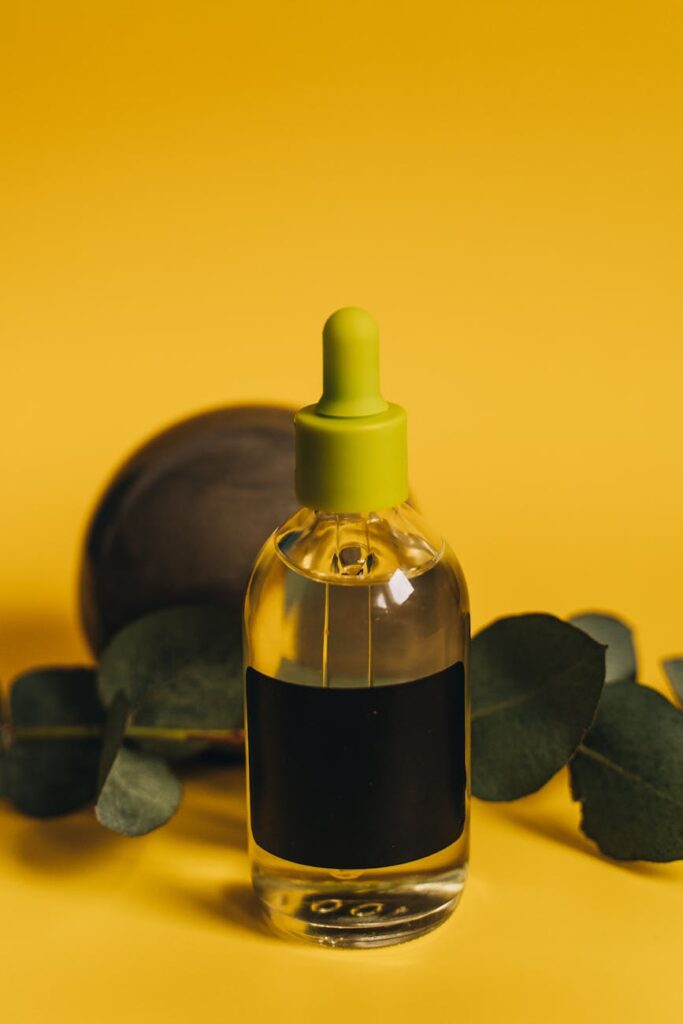
Complete Guide to Cacay Oil Part 6
Introduction
Cacay oil is gaining recognition in the world of natural beauty and wellness for its nourishing properties and diverse applications. Extracted from the seeds of the Cacay tree (Caryodendron orinocense), which thrives in the Amazon rainforest, this oil has been used traditionally by indigenous communities for centuries. As the demand for natural and organic products rises, cacay oil is emerging as a valuable addition to the realm of essential oils and aromatherapy. This guide provides an in-depth look at cacay oil, highlighting its benefits, common uses, and safety considerations.
What Is Cacay Oil?
Cacay oil is a cold-pressed oil derived from the seeds of the Cacay tree, which is native to the tropical regions of South America, particularly Colombia, Venezuela, and Brazil. The oil has a light texture and a nutty aroma, making it suitable for various cosmetic and therapeutic applications. Rich in essential fatty acids, vitamins, and antioxidants, cacay oil is often compared to other popular oils such as argan and marula oil, yet it boasts unique properties that set it apart.
Key Benefits and Properties
Nutrient-Dense Composition
Cacay oil is celebrated for its impressive composition, which includes:
- Fatty Acids: Cacay oil contains high levels of oleic acid, linoleic acid, and palmitic acid, essential for maintaining skin health and hydration.
- Vitamins: It is particularly rich in Vitamin E and Vitamin A, both of which are known for their antioxidant properties and role in skin regeneration.
- Antioxidants: The oil’s antioxidants help combat oxidative stress, contributing to healthier skin.
- Moisturizers: Its hydrating properties make it an ideal ingredient in creams and lotions.
- Serums: Cacay oil is often incorporated into serums designed to target aging and skin texture.
- Face Masks: Many DIY masks include cacay oil for its nourishing benefits.
- Conditioners: Adding cacay oil to conditioners can enhance hair hydration.
- Hair Serums: It can be applied as a finishing oil for added shine.
- Body Butters: Its moisturizing properties make it suitable for rich body creams.
- Massage Oils: When blended with other carrier oils, cacay oil can be used in massage blends.
- Allergic Reactions: Individuals with nut allergies should exercise caution, as cacay oil is derived from seeds.
- Dilution: When using cacay oil in conjunction with essential oils, proper dilution is essential to avoid skin irritation.
- Pregnancy and Nursing: Pregnant or nursing individuals should consult with a healthcare provider before using any new oils or products.
- Container: Store cacay oil in a dark glass bottle to protect it from light, which can degrade its quality.
- Temperature: Keep the oil in a cool, dry place away from direct sunlight and heat sources.
- Shelf Life: Cacay oil typically has a shelf life of about 12 to 24 months when stored correctly. Always check for changes in scent or consistency before use, as these can indicate spoilage.
Skin Hydration and Nourishment
Cacay oil is known for its ability to deeply hydrate the skin without leaving a greasy residue. Its lightweight texture allows for easy absorption, making it an excellent moisturizer for various skin types. This oil can help improve skin elasticity, leading to a more youthful appearance.
Anti-Aging Properties
Due to its high levels of Vitamin E and antioxidants, cacay oil is often utilized in anti-aging formulations. It can help reduce the appearance of fine lines and wrinkles, promoting a smoother complexion. The oil’s regenerative properties also support skin repair, making it a popular choice in beauty routines.
Common Uses
Skincare
Cacay oil is commonly used in skincare products, including:
Haircare
The oil can also be beneficial for hair health, providing moisture, shine, and reducing frizz. It can be used in:
Body Care
Cacay oil can be used in body products as well, such as:
Aromatherapy Applications
Though cacay oil is primarily recognized for its skincare benefits, it can also be used in aromatherapy, particularly when combined with essential oils. Its nutty aroma can complement various scents, adding a grounding element to blends.
Diffusion
Cacay oil can be included in diffuser blends, particularly when paired with essential oils like lavender for relaxation or citrus oils for uplifting atmospheres.
Massage
Incorporating cacay oil into massage blends can enhance the sensory experience while promoting skin health. Its light texture allows for smooth application, making it a suitable carrier oil for essential oil blends.
Bathing
Adding cacay oil to bath products can create a luxurious bathing experience. A few drops in a warm bath can help moisturize the skin while providing a subtle aroma.
Safety Considerations
While cacay oil is generally considered safe for topical use, it is advisable to conduct a patch test before widespread application. Here are some safety tips to consider:
Storage and Shelf Life
To maintain the quality and efficacy of cacay oil, proper storage is essential. Here are some guidelines:
Frequently Asked Questions
1. How is cacay oil extracted?
Cacay oil is extracted using a cold-press method, which involves mechanically pressing the seeds to release the oil without the application of heat. This method helps to preserve the oil’s beneficial properties.
2. Can cacay oil be used on all skin types?
Yes, cacay oil is generally suitable for all skin types, including sensitive skin. However, individuals with specific skin concerns or allergies should conduct a patch test before full application.
3. Is cacay oil comedogenic?
Cacay oil has a low comedogenic rating, meaning it is unlikely to clog pores. This makes it a favorable option for individuals with acne-prone skin.
4. Can cacay oil be used in cooking?
Cacay oil is primarily used for cosmetic and therapeutic purposes. While it is technically edible, its flavor may not be suitable for culinary applications. It is recommended to use culinary oils specifically meant for cooking.
5. How does cacay oil compare to other oils?
Cacay oil is often compared to argan and marula oil due to its similar properties. However, cacay oil is particularly high in Vitamin E and has a lighter texture, making it an excellent choice for those seeking a non-greasy option.
Conclusion
Cacay oil stands out in the realm of natural oils for its rich nutrient profile and diverse applications in skincare, haircare, and aromatherapy. Its ability to deeply hydrate, nourish, and rejuvenate the skin makes it a valuable addition to any beauty regimen. As with any product, it is essential to consider individual needs and preferences, ensuring a safe and beneficial experience with this remarkable oil.