
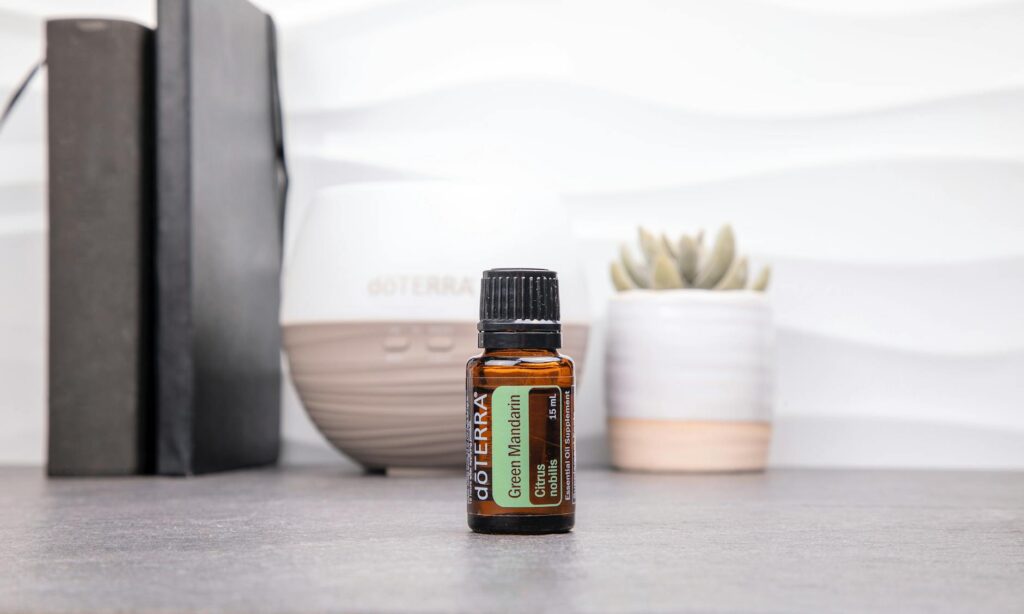
Complete Guide to Cacti and Succulents
Introduction
Cacti and succulents have captured the imagination of plant enthusiasts and casual gardeners alike. These resilient plants, celebrated for their striking forms and diverse colors, are increasingly popular in homes, offices, and gardens around the world. This guide provides an in-depth look at cacti and succulents, exploring their characteristics, benefits, common uses, and unique applications in aromatherapy.
What Are Cacti and Succulents?
Cacti are a family of plants known scientifically as Cactaceae. They are characterized by their fleshy stems, spines (or modified leaves), and the ability to store water in their tissues. While the majority of cacti are native to the Americas, they have adapted to various environments, from deserts to tropical regions.
Succulents, on the other hand, refer to a broader category of plants that have thick, fleshy parts capable of retaining moisture. This includes not only cacti but also a variety of other plant families such as Crassulaceae (e.g., jade plants), Agavaceae (e.g., agaves), and Aizoaceae (e.g., living stones). Succulents can be found in numerous ecosystems around the globe.
Distinctions Between Cacti and Succulents
While all cacti are succulents, not all succulents are cacti. The primary distinguishing feature is that cacti possess areoles—small, round structures from which spines, flowers, and new stems grow. Succulents do not have areoles, but they share the same adaptations that allow them to thrive in arid conditions.
Key Benefits and Properties
Cacti and succulents are not only visually appealing but also offer several benefits:
1. Low Maintenance: These plants require minimal care, making them ideal for beginners or those with busy lifestyles. They thrive with infrequent watering and can endure neglect.
2. Air Purification: Certain species of succulents have been shown to improve indoor air quality. They can absorb carbon dioxide and release oxygen, contributing to a healthier living environment.
3. Aesthetic Appeal: With their diverse shapes, sizes, and colors, cacti and succulents can enhance the beauty of any space. They are often used in decorative arrangements, terrariums, and gardens.
4. Drought Resistance: These plants have adapted to survive in arid conditions, making them an excellent choice for water-efficient gardening. Their ability to store water makes them resilient in the face of climate change.
5. Educational Opportunities: Cultivating cacti and succulents can be a great way to engage with nature and learn about plant biology, ecology, and conservation.
Common Uses
Cacti and succulents are versatile plants used in various applications:
Decorative Purposes
Their unique forms make them popular as ornamental plants in homes, offices, and gardens. They can be displayed individually or arranged in groups for a striking visual impact.
Landscaping
In xeriscaping—landscaping designed to reduce or eliminate the need for irrigation—cacti and succulents play a crucial role. They can create visually appealing landscapes while conserving water.
Terrariums and Indoor Gardens
Cacti and succulents are ideal for terrariums, miniature gardens enclosed in glass containers. These creations allow for creative expression and are often used as gifts or decorative accents.
Craft and DIY Projects
The hardiness of these plants lends themselves to various crafts, including floral arrangements, centerpieces, and even jewelry. Dried cacti and succulent materials are often used in home décor.
Aromatherapy Applications
While cacti and succulents do not possess essential oils like many other plants used in aromatherapy, they are still associated with natural fragrances through their flowers and surrounding soil. Their calming aesthetic can enhance a serene environment and contribute to overall well-being.
Scented Varieties
Some cacti and succulents, such as the night-blooming cereus, produce fragrant flowers that can contribute to a soothing atmosphere. The act of caring for these plants can also serve as a form of mindfulness, promoting relaxation and stress relief.
Enhancing Spaces
Incorporating cacti and succulents into your living or working space can create a more harmonious environment. Their unique shapes and colors can evoke a sense of calm, making them popular choices for creating peaceful retreats.
Safety Considerations
While cacti and succulents are generally safe, there are a few considerations to keep in mind:
1. Spines and Thorns: Many cacti have sharp spines that can cause injury. Care should be taken when handling these plants to avoid pricks and cuts.
2. Toxicity: While most cacti and succulents are non-toxic, some species can be harmful if ingested. It’s important to research specific plants, especially if there are pets or children in the home.
3. Allergic Reactions: Some individuals may have allergic reactions to certain types of succulents, particularly those that produce latex or other irritants. It’s advisable to handle these plants with care.
Storage and Shelf Life
Cacti and succulents are hardy plants that can remain in good condition for extended periods under proper care. Here are some guidelines for their storage and longevity:
Indoor Conditions
For indoor cacti and succulents, ensure they are placed in a well-lit area but not in direct sunlight, which can scorch their leaves. A south or west-facing window is often ideal.
Watering Practices
Overwatering is one of the most common mistakes made with these plants. Allow the soil to dry completely between waterings, and be mindful of the season, as they may require less water during their dormant periods in winter.
Repotting
Repotting should be done every couple of years or when the plant outgrows its container. Use a well-draining soil mix specifically designed for cacti and succulents to promote healthy growth.
Frequently Asked Questions
1. How do I choose the right succulent or cactus for my home?
Consider the light conditions in your space. Some plants prefer bright sunlight, while others thrive in lower light. Research the specific requirements of each plant before making a selection.
2. How often should I water my cacti and succulents?
Watering frequency depends on the species, size, and environment. Generally, it’s best to water thoroughly and allow the soil to dry completely before the next watering.
3. Can I propagate cacti and succulents?
Yes, many cacti and succulents can be propagated through cuttings or offsets. Ensure that cuttings are allowed to dry and form a callus before planting them in soil.
4. What are the common pests that affect cacti and succulents?
Common pests include mealybugs, spider mites, and aphids. Regularly inspect your plants for signs of infestation and treat them with insecticidal soap or neem oil as necessary.
5. Are there any special considerations for growing cacti and succulents indoors?
Ensure good ventilation and avoid overcrowding plants to reduce the risk of fungal diseases. Use pots with drainage holes to prevent root rot.
Conclusion
Cacti and succulents are fascinating plants that offer a blend of beauty, resilience, and utility. Their unique adaptations allow them to thrive in challenging environments, making them a symbol of endurance and prosperity. Whether you are a seasoned gardener or a newcomer to the world of plants, these remarkable species can enrich your life and space, providing both aesthetic pleasure and ecological benefits. As you explore the diverse world of cacti and succulents, embrace the opportunity to learn and appreciate these captivating plants.