
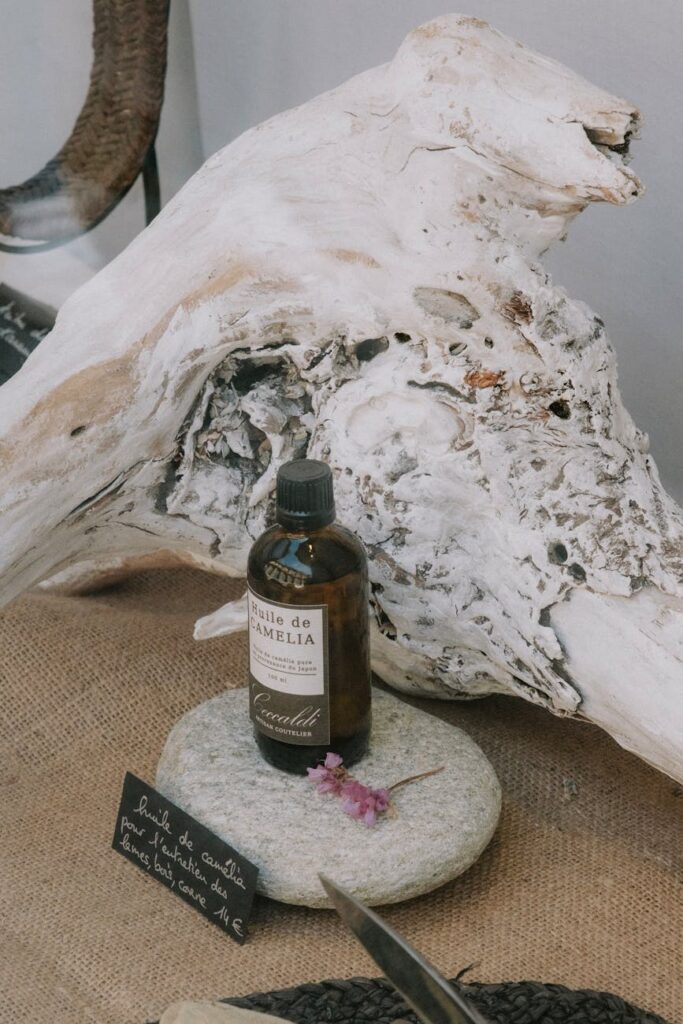
Complete Guide to Camellia Oil Part 5
Introduction
Camellia oil, derived from the seeds of the Camellia plant, has garnered attention for its rich history and versatile applications. Known for its nourishing properties, it is a staple in both cosmetic formulations and culinary practices. This guide delves into the characteristics, benefits, and uses of camellia oil, providing a comprehensive resource for those interested in exploring this remarkable oil.
What Is Camellia Oil?
Camellia oil is extracted from the seeds of various species within the Camellia genus, most notably Camellia oleifera and Camellia japonica. The extraction process typically involves cold pressing, which preserves the oil’s natural properties and ensures a high-quality product.
The oil is light yellow to golden in color and has a mild, nutty aroma. Its composition is rich in monounsaturated fatty acids, antioxidants, and vitamins, making it particularly sought after in both skincare and culinary applications.
Key Benefits and Properties
Camellia oil is celebrated for its beneficial properties, which can be attributed to its unique composition:
1. Moisturizing: High in oleic acid, camellia oil provides deep hydration, making it an excellent emollient for the skin.
2. Anti-Aging: The presence of powerful antioxidants such as vitamins A, C, and E helps combat free radicals, potentially reducing the appearance of fine lines and wrinkles.
3. Soothing: Camellia oil is known for its anti-inflammatory properties, which may soothe irritated skin and reduce redness.
4. Hair Care: Its lightweight texture allows for easy absorption, making it beneficial for nourishing and conditioning hair without weighing it down.
5. Nutrient-Rich: The oil contains essential fatty acids and vitamins that contribute to overall skin health and vitality.
Common Uses
The versatility of camellia oil lends itself to a variety of uses:
1. Skincare
- Moisturizer: It is often used as a daily moisturizer for both face and body, suitable for all skin types.
- Makeup Remover: Its oil-soluble nature allows it to effectively dissolve makeup, making it a popular choice for natural makeup removers.
- Massage Oil: Due to its smooth texture, camellia oil makes an excellent base for massage blends.
- Conditioner: Applied to the hair as a leave-in treatment, camellia oil can help restore shine and manageability.
- Scalp Treatment: Its soothing properties can also benefit the scalp, alleviating dryness and flakiness.
- Lavender: Known for its calming properties, lavender can enhance the soothing effects of camellia oil.
- Peppermint: For an invigorating blend, peppermint can be added to create a refreshing aroma.
- Tea Tree: Combining with tea tree oil can enhance its anti-inflammatory benefits, particularly for skin concerns.
- Container: Store the oil in a dark glass bottle to protect it from light exposure, which can degrade its quality over time.
- Temperature: Keep it in a cool, dry place, away from direct sunlight and heat sources.
- Shelf Life: When stored properly, camellia oil typically has a shelf life of around 1-2 years. Regularly check for any changes in smell or appearance, as these could indicate rancidity.
2. Hair Care
3. Culinary Uses
In some cultures, especially in East Asia, camellia oil is used in cooking. It has a high smoke point and a mild flavor, making it suitable for sautéing, frying, and salad dressings.
4. Aromatherapy
While camellia oil itself does not have a strong aromatic profile, it can be blended with essential oils to create calming or invigorating blends suitable for diffusion or topical application.
Aromatherapy Applications
In aromatherapy, camellia oil can be utilized as a carrier oil to dilute essential oils, allowing for safe topical application. Its lightweight nature allows for easy absorption, making it a preferred choice for many practitioners.
Blending with Essential Oils
Camellia oil blends well with a variety of essential oils, including:
Diffusion
Although camellia oil is not typically diffused on its own, it can be a valuable addition to blends intended for relaxation or rejuvenation, providing a smooth base to enhance the overall experience.
Safety Considerations
While camellia oil is generally considered safe for topical use, there are a few precautions to keep in mind:
1. Patch Test: As with any new oil, it is advisable to perform a patch test before widespread use. Apply a small amount of oil to a discreet area of skin and monitor for any adverse reactions.
2. Dilution: When using camellia oil as a carrier oil, it is important to dilute it with essential oils appropriately to avoid potential skin irritation.
3. Allergies: Those with known allergies to nuts or seeds should exercise caution, as camellia oil may trigger allergic reactions in sensitive individuals.
4. Consultation: Individuals with specific health concerns or those who are pregnant should consult with a healthcare professional before using camellia oil.
Storage and Shelf Life
To maintain the quality of camellia oil, proper storage is essential:
Frequently Asked Questions
1. Is camellia oil suitable for all skin types?
Yes, camellia oil is lightweight and non-comedogenic, making it suitable for all skin types, including oily and sensitive skin.
2. Can camellia oil be used on the face?
Absolutely. It is often used as a facial moisturizer and can help to hydrate and soothe the skin.
3. How do I incorporate camellia oil into my skincare routine?
You can use camellia oil as a standalone moisturizer, mix it with your regular creams, or combine it with essential oils for added benefits.
4. Is camellia oil safe for hair?
Yes, camellia oil is beneficial for hair care. It can be used as a leave-in conditioner or applied directly to the scalp to promote overall hair health.
5. Can I cook with camellia oil?
Yes, camellia oil is suitable for culinary uses due to its high smoke point and mild flavor. It can be used for sautéing, frying, or in salad dressings.
6. How do I select high-quality camellia oil?
Look for cold-pressed, organic camellia oil in dark glass bottles. Check for certifications and reviews to ensure the product’s quality.
—
In summary, camellia oil is a versatile and beneficial oil that can enhance both beauty and culinary practices. With its rich composition of nutrients and antioxidants, it serves as an excellent addition to skincare, hair care, and cooking. Understanding its properties, uses, and safety considerations can help individuals make informed choices about incorporating this remarkable oil into their lives.