
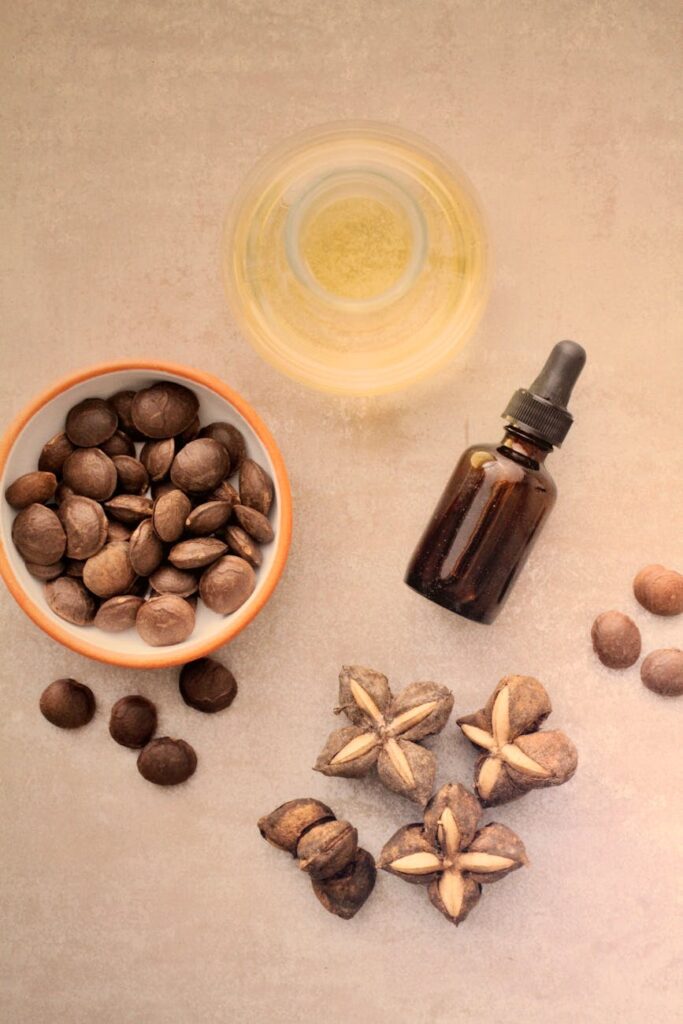
Complete Guide to Camellia Seed Oil Part 4
Introduction
Camellia Seed Oil, derived from the seeds of the Camellia plant, has been cherished for centuries, particularly in East Asian cultures. Its rich nutritional profile and versatile applications make it a popular choice in both cosmetic and culinary practices. This guide aims to provide an in-depth exploration of Camellia Seed Oil, covering its properties, benefits, common uses, and safety considerations, among other aspects.
What Is Camellia Seed Oil?
Camellia Seed Oil is extracted from the seeds of various species of the Camellia plant, most notably Camellia oleifera and Camellia japonica. The oil has a light, non-greasy texture and is characterized by its pale yellow to golden color and subtle nutty aroma. Its extraction is typically achieved through cold-pressing, which helps retain the oil’s beneficial properties.
The Camellia genus belongs to the family Theaceae and is indigenous to East Asia, particularly China, Japan, and Korea. Traditionally, this oil has been used in cooking, skin care, and hair care, reflecting its multifaceted nature.
Key Benefits and Properties
Camellia Seed Oil is celebrated for a variety of beneficial properties:
1. Nutrient-Rich Composition
- Fatty Acids: The oil is high in oleic acid, a monounsaturated fatty acid that is known for its moisturizing properties.
- Vitamins: It contains vitamins A, B, and E, which contribute to skin health and protect against oxidative stress.
- Antioxidants: Rich in polyphenols and other antioxidants, Camellia Seed Oil can help combat free radicals.
- The oil is an excellent emollient, making it ideal for hydrating dry skin. Its light texture allows for easy absorption without a greasy residue.
- Camellia Seed Oil has been noted for its potential anti-inflammatory effects, making it useful for soothing irritated skin.
- The oil’s nourishing properties extend to hair, providing hydration and shine while helping to reduce frizz and breakage.
- Facial Moisturizer: Its lightweight consistency makes it suitable for all skin types, including oily and acne-prone skin.
- Anti-Aging Serum: The oil absorbs quickly and can help improve skin elasticity, making it a popular ingredient in anti-aging formulations.
- Conditioner: It can be applied as a leave-in conditioner to enhance shine and manageability.
- Scalp Treatment: Massaging the oil into the scalp can help nourish hair follicles and promote healthy growth.
- In some cultures, Camellia Seed Oil is used for cooking and salad dressings due to its light flavor and high smoke point.
- When blended with essential oils, Camellia Seed Oil serves as an effective carrier oil, allowing for safe application and enhanced absorption.
- Camellia Seed Oil’s light texture makes it an excellent choice for diluting essential oils. Common essential oils used in conjunction include lavender, tea tree, and bergamot.
- Due to its smooth texture, it is often used in massage therapies, providing both a medium for the essential oils and nourishment for the skin.
- Although not typically used in diffusion, when combined with essential oils, it can enhance the therapeutic benefits of the blend, making it suitable for topical application post-diffusion.
- Conduct a patch test before using the oil topically, especially for individuals with nut allergies or sensitive skin.
- Ensure the oil is 100% pure and free from additives or synthetic substances. This ensures that you receive the full benefits without the risk of adverse reactions.
- Store in a cool, dark place to prevent oxidation and maintain the oil’s quality.
- Keep the oil in a dark glass bottle, away from direct sunlight and heat sources. This minimizes exposure to light and air, which can degrade the oil.
- When stored correctly, Camellia Seed Oil has a shelf life of approximately 1 to 2 years. Always check for changes in smell, color, or consistency before use.
- Yes, its lightweight texture and moisturizing properties make it suitable for various skin types, including oily and sensitive skin.
- Absolutely. It is an excellent treatment for hair, providing hydration and enhancing shine.
- Use it as a substitute for other oils in salad dressings, marinades, or for sautéing due to its high smoke point.
- Its non-comedogenic nature and anti-inflammatory properties may help soothe irritated skin and improve overall skin health.
- Look for reputable retailers, either online or in natural health stores, ensuring the oil is cold-pressed and organic when possible.
2. Moisturizing and Emollient
3. Anti-Inflammatory Properties
4. Hair Care Benefits
Common Uses
Camellia Seed Oil is versatile and can be used in various applications:
1. Skin Care
2. Hair Care
3. Culinary Uses
4. Aromatherapy
Aromatherapy Applications
In the realm of aromatherapy, Camellia Seed Oil acts as a versatile carrier oil. It is often combined with essential oils to create blends that can promote relaxation, uplift mood, or provide other benefits.
1. Blending with Essential Oils
2. Massage
3. Diffusion
Safety Considerations
While Camellia Seed Oil is generally considered safe for use, certain precautions should be observed:
1. Allergies
2. Purity
3. Storage
Storage and Shelf Life
Proper storage is crucial for preserving the integrity of Camellia Seed Oil.
1. Ideal Conditions
2. Shelf Life
Frequently Asked Questions
1. Is Camellia Seed Oil suitable for all skin types?
2. Can I use Camellia Seed Oil on my hair?
3. How do I use Camellia Seed Oil in cooking?
4. Can Camellia Seed Oil help with acne?
5. Where can I purchase high-quality Camellia Seed Oil?
Conclusion
Camellia Seed Oil is a remarkable oil with a rich history and a multitude of applications. From skincare to culinary uses and aromatherapy, its benefits are extensive. Understanding its properties, proper uses, and safety considerations can empower you to incorporate this oil into your daily routine effectively. Whether you are seeking hydration for your skin or a nourishing treatment for your hair, Camellia Seed Oil stands out as a valuable addition to your natural health arsenal.