
Complete Guide to Camellia Seed Oil Part 5
Introduction
Camellia Seed Oil, derived from the seeds of the Camellia plant, has been cherished for its numerous benefits in both personal care and culinary applications. This guide aims to provide a comprehensive overview of Camellia Seed Oil, exploring its properties, uses, and safe practices for storage and application. As an integral part of the botanical world, understanding this oil can enhance your knowledge of natural products and their potential applications.
What Is Camellia Seed Oil?
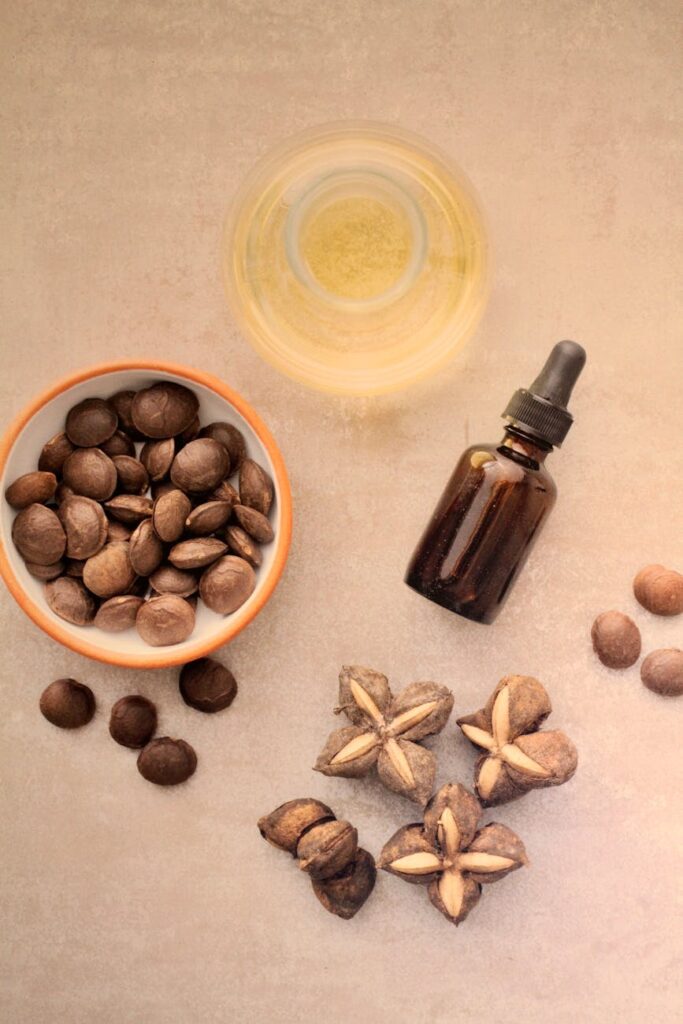
Camellia Seed Oil is extracted from the seeds of various species of the Camellia plant, notably Camellia oleifera and Camellia japonica. This oil is known for its light texture, high concentration of unsaturated fatty acids, and rich nutrient profile, making it a popular choice in cosmetics and culinary practices.
The extraction process typically involves cold pressing, which preserves the oil’s essential nutrients. The resulting oil has a pale yellow color and a subtle, pleasant aroma. It is rich in oleic acid, linoleic acid, and various antioxidants, which contribute to its beneficial properties.
Key Benefits and Properties
Nutrient-Rich Composition
Camellia Seed Oil boasts a variety of beneficial compounds:
- Fatty Acids: The oil contains a high percentage of oleic acid (approximately 80%), which is known for its moisturizing and emollient properties. Linoleic acid, another essential fatty acid, contributes to skin barrier function.
- Antioxidants: Camellia Seed Oil is rich in polyphenols and vitamins, such as Vitamin E, which help combat oxidative stress and protect cells from damage.
- Saponins: These compounds have been shown to possess anti-inflammatory properties, further enhancing the oil’s appeal.
- Moisturizers: Its lightweight nature makes it an ideal base for lotions and creams.
- Serums: Often incorporated into facial serums for its nourishing properties.
- Makeup Remover: Its gentle cleansing ability makes it effective for removing makeup without stripping the skin of its natural oils.
- Conditioners: It enhances moisture retention and promotes smooth, manageable hair.
- Hair Masks: Used as a deep conditioning treatment to restore shine and vitality.
- Styling Products: Often found in serums and oils designed to tame frizz and add gloss.
- Lavender: For relaxation and stress relief.
- Tea Tree: To benefit from its antibacterial properties.
- Rosemary: To promote mental clarity and focus.
- Cool, Dark Place: Store the oil in a cool, dark area away from direct sunlight and heat sources.
- Sealed Container: Ensure the oil is kept in a tightly sealed container to prevent oxidation.
Skin Benefits
Due to its lightweight texture, Camellia Seed Oil is easily absorbed by the skin, making it an effective moisturizer. It can help improve skin elasticity, reduce the appearance of fine lines, and enhance overall skin tone. Its anti-inflammatory properties make it suitable for sensitive or irritated skin conditions.
Hair Benefits
Camellia Seed Oil is often used in hair care products due to its ability to penetrate the hair shaft, providing deep hydration. It helps to reduce frizz, improve shine, and protect against environmental damage, making it a popular choice for both hair oils and conditioners.
Common Uses
Skincare
Camellia Seed Oil is widely used in skincare formulations, including:
Hair Care
In hair care, Camellia Seed Oil is utilized in:
Culinary Uses
In culinary applications, Camellia Seed Oil is valued for its mild flavor and high smoke point, making it suitable for various cooking methods, including frying, sautéing, and salad dressings. Its balance of fatty acids contributes to heart health when used as part of a balanced diet.
Aromatherapy Applications
While Camellia Seed Oil is primarily known for its skincare and culinary uses, it can also play a role in aromatherapy as a carrier oil. Carrier oils are used to dilute essential oils before application to the skin, allowing for safe and effective use.
Blending with Essential Oils
Camellia Seed Oil can be blended with various essential oils, such as:
Massage
When used in massage, Camellia Seed Oil provides a smooth glide, enhancing the experience while nourishing the skin. Its soothing properties may help alleviate muscle tension and promote relaxation.
Safety Considerations
Although generally regarded as safe for topical application and culinary use, it is essential to observe a few considerations:
Patch Test
Before applying Camellia Seed Oil to the skin, it is advisable to perform a patch test. Apply a small amount to an inconspicuous area and wait 24 hours to check for any adverse reactions.
Sensitivity
Individuals with known allergies to plants in the Camellia family should avoid using this oil. Additionally, if you have sensitive skin or pre-existing skin conditions, consulting with a skincare professional is recommended.
Culinary Use
When using Camellia Seed Oil in cooking, ensure it is labeled as food-grade to guarantee safety and quality.
Storage and Shelf Life
To maximize the shelf life and maintain the quality of Camellia Seed Oil, proper storage is crucial:
Storage Conditions
Shelf Life
When stored correctly, Camellia Seed Oil typically has a shelf life of 12 to 24 months. Always check for any off smells or changes in color before use, as these can indicate spoilage.
Frequently Asked Questions
1. Can Camellia Seed Oil be used on all skin types?
Yes, Camellia Seed Oil is suitable for all skin types, including oily, dry, and sensitive skin, due to its non-comedogenic properties and lightweight texture.
2. Is Camellia Seed Oil safe for cooking?
Yes, Camellia Seed Oil is safe for culinary use, provided it is labeled as food-grade. Its high smoke point makes it suitable for various cooking methods.
3. How can I incorporate Camellia Seed Oil into my skincare routine?
You can use Camellia Seed Oil as a moisturizer, serum, or makeup remover. It can also be added to DIY skincare formulations or used as a carrier oil for essential oils in aromatherapy.
4. Does Camellia Seed Oil clog pores?
No, Camellia Seed Oil is considered non-comedogenic, meaning it is unlikely to clog pores, making it a suitable choice for acne-prone skin.
5. How can I tell if my Camellia Seed Oil has gone bad?
Signs of spoilage include an unpleasant odor, changes in color, or a cloudy appearance. If you notice any of these signs, it is best to discard the oil.
Conclusion
Camellia Seed Oil is a versatile and beneficial oil that enriches both skincare and culinary practices. Its lightweight texture, rich nutrient profile, and array of applications make it a valuable addition to any natural product enthusiast’s repertoire. By understanding its properties and uses, individuals can harness the full potential of this remarkable oil while ensuring safe and effective application.