
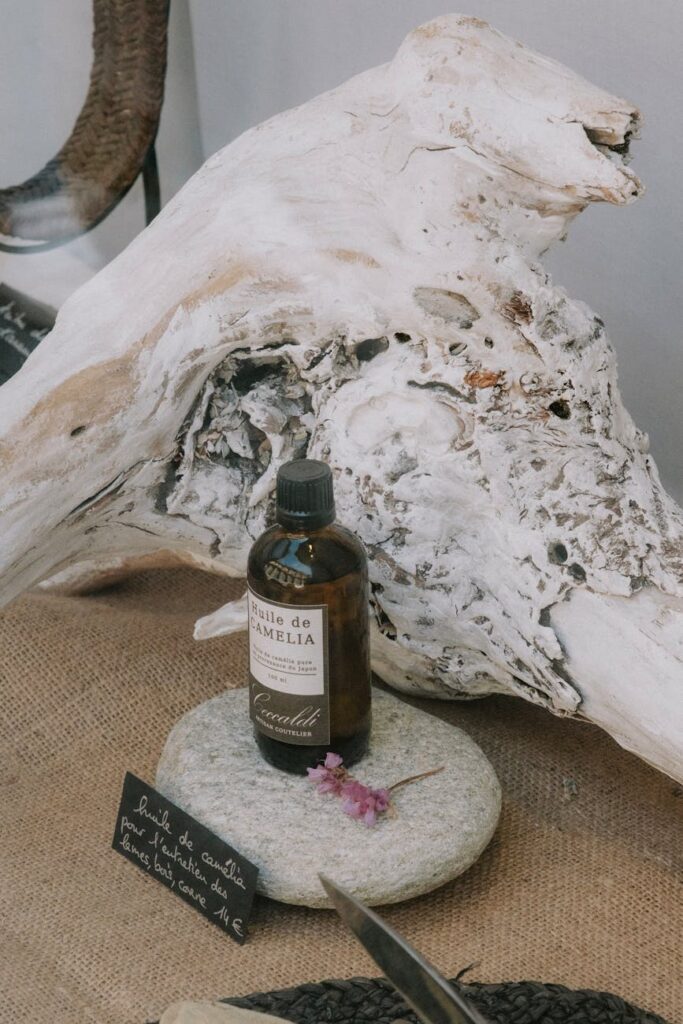
Complete Guide to Camellia Seed Oil Part 7
Introduction
Camellia seed oil has gained popularity in recent years due to its numerous benefits and versatile applications in various fields, including skincare, haircare, and aromatherapy. Extracted from the seeds of the Camellia plant, this oil is rich in nutrients and has been used for centuries in traditional practices. This guide aims to provide a comprehensive overview of camellia seed oil, including its properties, uses, and safety considerations.
What Is Camellia Seed Oil?
Camellia seed oil is derived from the seeds of the Camellia oleifera and Camellia japonica plants. These evergreen shrubs are native to East Asia, particularly China, Japan, and Korea. The oil is typically cold-pressed from the seeds, ensuring that its beneficial properties remain intact.
The oil is characterized by its light texture, pale yellow color, and mild, nutty aroma. It is notable for its high content of oleic acid, which is a monounsaturated fatty acid known for its moisturizing properties. In addition to oleic acid, camellia seed oil contains a range of antioxidants, vitamins, and minerals, making it a valuable addition to both personal care products and culinary applications.
Key Benefits and Properties
Nutritional Profile
1. Fatty Acids: Camellia seed oil is rich in oleic acid, which constitutes around 80% of its fatty acid content. This makes it highly emollient and beneficial for dry skin and hair.
2. Antioxidants: The oil contains a variety of antioxidants, including vitamin E and polyphenols, which help to protect the skin from oxidative stress and environmental damage.
3. Vitamins: Camellia seed oil is a source of vitamins A, D, and K, contributing to skin health and overall wellness.
Skin Benefits
- Moisturizing: Its lightweight texture allows for easy absorption, making it an excellent moisturizer for all skin types.
- Anti-inflammatory: The oil can help to reduce redness and irritation, making it suitable for sensitive skin.
- Anti-aging: The presence of antioxidants aids in combating the visible signs of aging, such as fine lines and wrinkles.
- Conditioning: Camellia seed oil is often used as a hair conditioner due to its ability to nourish and hydrate the hair shaft.
- Frizz Control: It helps to tame frizz and add shine, making it a popular ingredient in hair care products.
- Lavender: Known for its calming properties, lavender essential oil can be combined with camellia seed oil for a soothing massage blend.
- Tea Tree: For its antibacterial properties, tea tree oil can be mixed with camellia seed oil for use on blemish-prone skin.
- Rosemary: When blended with camellia seed oil, rosemary essential oil can be used for stimulating hair growth.
- Store in a Cool, Dark Place: Exposure to heat and light can degrade the oil over time. It is best to keep it in a dark glass bottle in a cool environment.
- Seal Tightly: Ensure that the cap is securely closed to prevent oxidation.
- Shelf Life: When stored correctly, camellia seed oil can last up to two years. Always check for any off smells or changes in color or texture before use.
Hair Benefits
Common Uses
Skincare
Camellia seed oil is widely used in skincare formulations, including creams, lotions, and serums. Its moisturizing properties make it suitable for use as a facial oil, while its lightweight consistency allows it to be layered with other products.
Haircare
In the realm of haircare, camellia seed oil is often found in shampoos, conditioners, and styling products. It can be used as a pre-shampoo treatment, a leave-in conditioner, or as a finishing oil to add shine and moisture.
Culinary Applications
In addition to its cosmetic uses, camellia seed oil is also used in cooking, particularly in Asian cuisines. Its high smoke point makes it suitable for frying and sautéing, while its mild flavor enhances various dishes.
Aromatherapy Applications
Camellia seed oil is not typically used as an essential oil in aromatherapy due to its lack of strong aromatic properties. However, it can serve as a carrier oil for diluting essential oils. When mixed with essential oils, camellia seed oil can enhance the therapeutic benefits while providing moisturizing properties to the skin.
Blending with Essential Oils
When creating blends for aromatherapy, camellia seed oil pairs well with essential oils such as:
Safety Considerations
Camellia seed oil is generally recognized as safe for topical application and culinary use. However, as with any oil, it is advisable to perform a patch test before applying it to larger areas of the skin, especially for those with sensitive skin or allergies.
Allergies and Sensitivities
While rare, some individuals may have allergies to camellia seed oil. It is essential to consult with a healthcare professional if you have known allergies to other oils or plants in the Camellia family.
Pregnancy and Nursing
Although camellia seed oil is considered safe for topical use, pregnant or nursing individuals should consult their healthcare provider before incorporating new oils into their routine.
Storage and Shelf Life
To maintain the quality and efficacy of camellia seed oil, proper storage is crucial. Here are some tips:
Frequently Asked Questions
1. Can camellia seed oil be used on all skin types?
Yes, camellia seed oil is suitable for all skin types, including dry, oily, and sensitive skin. Its lightweight nature makes it particularly beneficial for those with oily skin, as it hydrates without clogging pores.
2. How does camellia seed oil compare to other oils?
Camellia seed oil is often compared to other oils like jojoba and argan oil. While all three are beneficial for skin and hair, camellia seed oil is unique in its high oleic acid content, which provides exceptional moisture retention.
3. Is camellia seed oil comedogenic?
Camellia seed oil has a low comedogenic rating, which means it is unlikely to clog pores. However, individual reactions may vary, so it is advisable to perform a patch test before widespread application.
4. Can I use camellia seed oil for cooking?
Yes, camellia seed oil is often used in cooking due to its high smoke point and mild flavor. It can be used for frying, sautéing, and as a salad dressing.
5. How can I incorporate camellia seed oil into my skincare routine?
Camellia seed oil can be used as a standalone moisturizer, added to creams or serums, or combined with essential oils for a personalized treatment.
Conclusion
Camellia seed oil is a versatile oil that offers a range of benefits for skin, hair, and even culinary applications. Its rich nutritional profile and lightweight texture make it a popular choice in both traditional and modern practices. As with any product, understanding its properties and proper usage can enhance its effectiveness, making camellia seed oil a valuable addition to your natural wellness toolkit.