
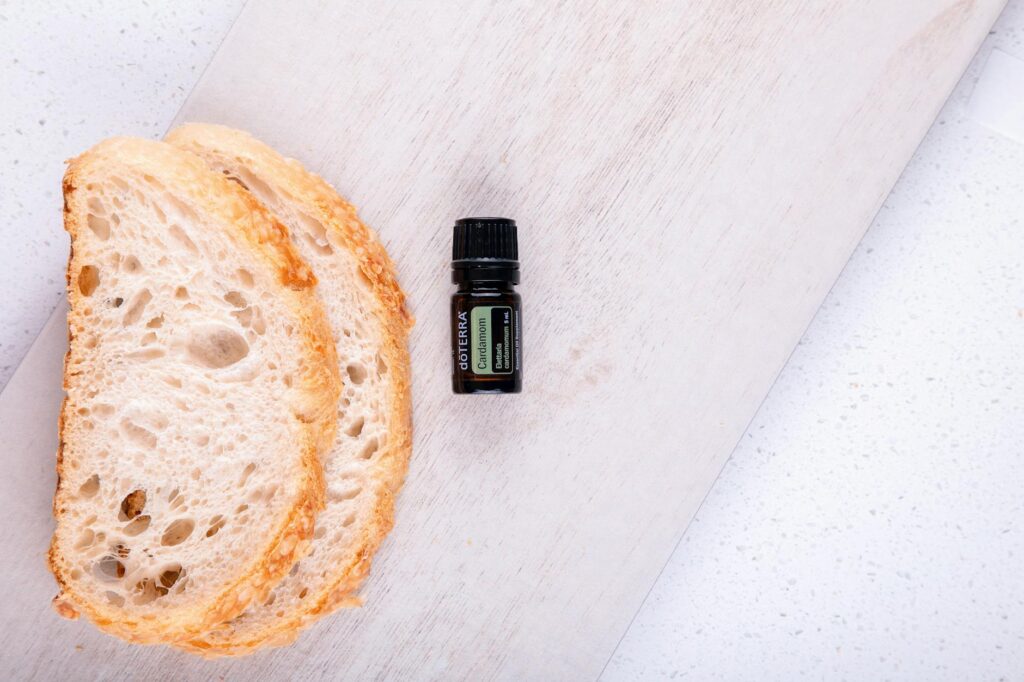
Complete Guide to Cardamom Oil Part 1
Introduction
Aromatherapy has gained significant attention in recent years for its potential benefits in promoting well-being and emotional balance. Among the myriad of essential oils available, cardamom oil stands out for its unique aroma and diverse applications. This guide aims to provide a comprehensive overview of cardamom oil, exploring its properties, benefits, common uses, and more.
What Is Cardamom Oil?
Cardamom oil is derived from the seeds of the cardamom plant, scientifically known as Elettaria cardamomum. This perennial herb belongs to the ginger family (Zingiberaceae) and is native to the tropical regions of South Asia, particularly India and Sri Lanka. The essential oil is extracted through steam distillation of the seeds, resulting in a pale yellow to colorless liquid with a warm, spicy, and slightly sweet aroma.
There are two main types of cardamom: green cardamom and black cardamom. Green cardamom is the more commonly used variety in essential oil production and is valued for its culinary and therapeutic properties.
Key Benefits and Properties
Cardamom oil is celebrated for its rich composition of chemical constituents, which contribute to its various benefits. Some of the key compounds found in cardamom oil include:
- α-terpineol: Known for its calming properties.
- 1,8-cineole: Associated with respiratory support and clarity.
- Limonene: Recognized for its uplifting effects.
Potential Benefits
1. Mood Enhancement: The aroma of cardamom oil is thought to have uplifting properties, which may help alleviate feelings of stress and anxiety.
2. Digestive Support: Traditionally, cardamom has been used to assist with digestive issues, including bloating and nausea, although scientific studies are limited.
3. Respiratory Health: The presence of 1,8-cineole may support respiratory function, making it a common ingredient in formulations aimed at promoting clear airways.
4. Antioxidant Properties: Cardamom oil may contain compounds that help neutralize free radicals, contributing to overall health.
5. Anti-inflammatory Effects: Some studies suggest that cardamom may exhibit anti-inflammatory properties, which can be beneficial for overall wellness.
Common Uses
Cardamom oil boasts a wide range of applications, making it a versatile addition to both personal care products and household items. Here are some common uses:
1. Culinary: While not as common as other culinary oils, cardamom oil can be used in cooking and baking to impart its unique flavor to dishes, desserts, and beverages.
2. Perfume and Fragrance: The sweet-spicy aroma of cardamom oil makes it a popular choice in perfumery and scented products, including candles and diffusers.
3. Massage Oil: When diluted in a carrier oil, cardamom oil can be used in massage therapy to promote relaxation and relieve tension.
4. Skincare: Cardamom oil may be included in skincare products for its potential anti-aging and soothing properties.
5. Household Cleaners: Due to its antimicrobial properties, cardamom oil can be added to homemade cleaning solutions for a refreshing scent and potential germ-fighting benefits.
Aromatherapy Applications
In the realm of aromatherapy, cardamom oil is valued for its warm and comforting scent. Here are a few ways to incorporate cardamom oil into your aromatherapy practice:
1. Diffusion: Add a few drops of cardamom oil to a diffuser to create a calming atmosphere in your home or workspace. Its uplifting scent can enhance mood and focus.
2. Inhalation: Place a drop or two on a cotton ball or tissue and inhale the aroma for a quick mood boost or to promote mental clarity.
3. Bathing: Incorporate cardamom oil into a warm bath by mixing it with a carrier oil or bath salts. The warm water can help to relax the mind and soothe the body.
4. Meditation: Use cardamom oil during meditation or yoga practices to help create a serene environment that encourages focus and relaxation.
Safety Considerations
While cardamom oil is generally considered safe for most individuals when used appropriately, it is essential to follow certain safety guidelines:
1. Dilution: Always dilute cardamom oil with a carrier oil, such as jojoba or coconut oil, before applying it to the skin. A common dilution ratio is 1-2 drops of essential oil per teaspoon of carrier oil.
2. Patch Test: Conduct a patch test before using cardamom oil topically to check for any sensitivities or allergic reactions. Apply a small amount of the diluted oil to a small area of skin and wait 24 hours.
3. Pregnancy and Nursing: Pregnant or nursing individuals should consult a qualified healthcare provider before using essential oils, including cardamom oil.
4. Keep Away from Eyes and Mucous Membranes: Avoid contact with the eyes and sensitive areas. If contact occurs, rinse thoroughly with vegetable oil and seek medical attention if irritation persists.
5. Consult a Professional: If you have pre-existing medical conditions or are taking medications, consult a healthcare professional before using essential oils.
Storage and Shelf Life
To maintain the quality and longevity of cardamom oil, proper storage is essential:
1. Storage Conditions: Store cardamom oil in a cool, dark place, away from direct sunlight and heat, which can degrade the oil over time.
2. Container: Use dark glass bottles to protect the oil from light exposure. Avoid plastic containers, as they can interact with the oil and alter its properties.
3. Shelf Life: When stored correctly, cardamom oil can last for 1-2 years. However, it is advisable to check for any changes in aroma, color, or viscosity before use.
Frequently Asked Questions
1. Can cardamom oil be ingested?
While cardamom oil is used in some culinary applications, it is crucial to consult a healthcare provider before ingestion, especially in concentrated forms.
2. Is cardamom oil safe for children?
Cardamom oil may not be suitable for young children. It is advisable to consult a qualified professional before using essential oils on children.
3. Can I use cardamom oil for cooking?
Yes, cardamom oil can be used in cooking, but it is potent. Use it sparingly and in combination with other ingredients to enhance flavor.
4. How does cardamom oil compare to other essential oils?
Cardamom oil offers unique properties and scent profiles compared to other essential oils. Its warm and spicy aroma is distinct, making it suitable for specific applications in aromatherapy and personal care.
5. Where can I buy high-quality cardamom oil?
Look for cardamom oil from reputable suppliers or brands that provide information about sourcing, extraction methods, and quality testing.
Conclusion
Cardamom oil is a remarkable essential oil with a rich history and diverse applications. Its warm, spicy aroma and potential benefits make it a valuable addition to any essential oil collection. As we explore more about cardamom oil in the next part of this guide, we will delve deeper into its historical uses, cultural significance, and more advanced applications in aromatherapy.