
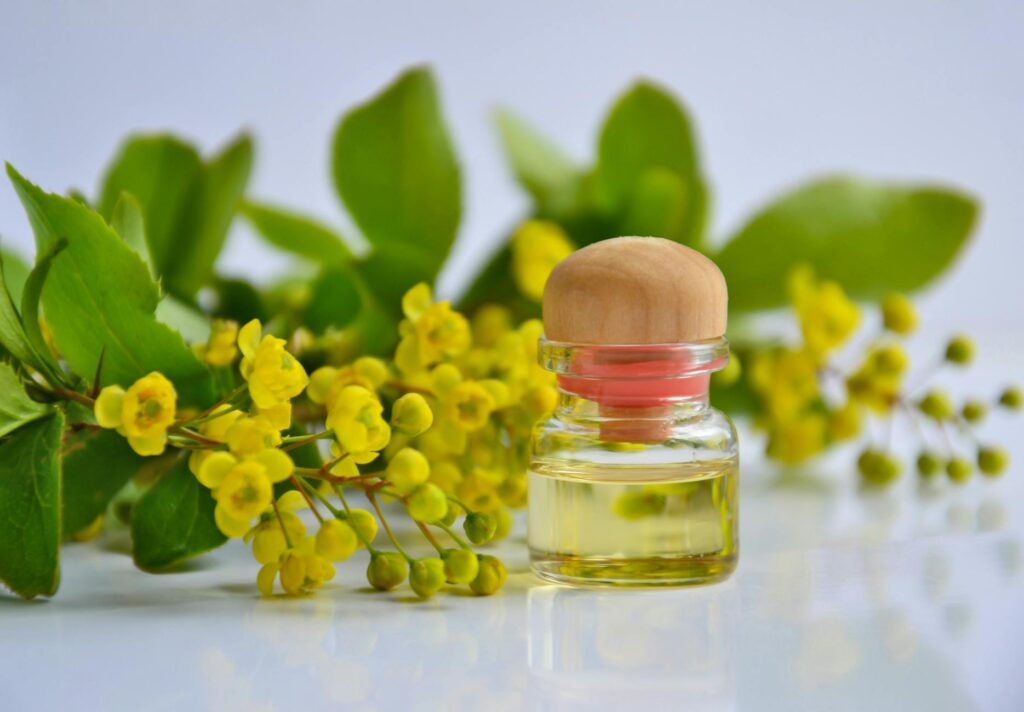
Complete Guide to Cardamom Oil Part 4
Introduction
Cardamom oil, derived from the seeds of the Elettaria cardamomum plant, has been cherished for centuries not only for its culinary applications but also for its diverse therapeutic properties. As we delve into the nuances of this essential oil, we will explore its composition, benefits, common uses, and safety considerations, providing a comprehensive overview for those interested in incorporating cardamom oil into their lives.
What Is Cardamom Oil?
Cardamom oil is extracted through steam distillation from the seeds of the cardamom plant, which belongs to the Zingiberaceae family, the same family as ginger and turmeric. The oil is characterized by its warm, spicy aroma that is both uplifting and soothing. Cardamom is native to the tropical regions of Asia, particularly India, where it has been cultivated for thousands of years. The oil is typically pale yellow to colorless and possesses a complex chemical composition with a high concentration of monoterpenes, including α-terpineol, 1,8-cineole, and limonene.
Key Benefits and Properties
Cardamom oil is revered for its multifaceted properties, which include:
Antioxidant Properties
Cardamom oil is rich in antioxidants that help neutralize free radicals in the body. This can contribute to overall health and wellness by reducing oxidative stress.
Anti-inflammatory Effects
The compounds in cardamom oil may possess anti-inflammatory properties, helping to alleviate discomfort associated with inflammation in various parts of the body.
Digestive Aid
Cardamom has traditionally been used to support digestive health. The oil can be beneficial in alleviating digestive discomfort and promoting healthy digestion.
Mood Enhancer
The warm, spicy scent of cardamom oil has a reputation for uplifting the spirits and promoting feelings of calmness and relaxation. It is often used in aromatherapy to enhance mood and reduce anxiety.
Antimicrobial Activity
Research suggests that cardamom oil may exhibit antimicrobial properties, making it a potential agent against certain bacteria and fungi.
Common Uses
Cardamom oil can be utilized in various ways, appealing to a wide array of users. Here are some common applications:
Culinary Use
Cardamom oil is used sparingly in cooking, particularly in Indian and Middle Eastern cuisines. It can add a fragrant, spicy note to both sweet and savory dishes.
Personal Care Products
Due to its aromatic properties, cardamom oil is often found in perfumes, lotions, and soaps. Its enticing scent can enhance personal care products, adding a luxurious touch.
Household Cleaning
The antimicrobial properties of cardamom oil make it a potential ingredient in natural cleaning products. It can be used to create a pleasant-smelling, all-natural cleaner.
Massage Oil
When diluted with a carrier oil, cardamom essential oil can be used in massage, providing a soothing experience that may help relax tense muscles.
Aromatherapy Applications
In aromatherapy, cardamom oil is valued for its uplifting and calming effects. Here are some popular applications:
Diffusion
Adding a few drops of cardamom oil to a diffuser can create a warm and inviting atmosphere. The aroma can help promote relaxation and alleviate stress.
Inhalation
Inhaling cardamom oil directly from the bottle or through a personal inhaler can be a quick way to enjoy its benefits, especially in stressful situations.
Bath Additive
Adding cardamom oil to a bath can create a calming experience. It can promote relaxation while providing a delightful fragrance.
Blending with Other Oils
Cardamom oil blends well with various essential oils, including citrus oils like lemon and orange, as well as other spicy oils like ginger and black pepper. Experimenting with blends can enhance the benefits and aroma profile.
Safety Considerations
While cardamom oil is generally considered safe for use, it is essential to follow certain precautions:
Skin Sensitivity
Before applying cardamom oil topically, it is advisable to conduct a patch test. Dilute the oil with a carrier oil and apply a small amount to a discreet area of skin to check for any adverse reactions.
Pregnant and Nursing Women
Pregnant and nursing women should exercise caution when using essential oils, including cardamom oil. Consulting with a healthcare professional before use is recommended.
Avoiding Ingestion
While cardamom is commonly used as a spice, the concentrated nature of essential oils makes ingestion potentially harmful. It is advisable to avoid oral consumption unless under the guidance of a qualified professional.
Storage and Handling
Store cardamom oil in a cool, dark place, away from direct sunlight. Proper storage helps maintain the oil’s potency and extends its shelf life.
Storage and Shelf Life
Proper storage of cardamom oil is crucial for preserving its quality and efficacy. Here are some guidelines:
Container
Use dark glass bottles to protect the oil from light exposure, which can degrade its quality. Ensure that the bottle is tightly sealed to prevent oxidation.
Cool Environment
Store the oil in a cool environment, ideally at room temperature or slightly cooler. Avoid storing it in areas with fluctuating temperatures, such as near a stove or window.
Shelf Life
When stored correctly, cardamom oil typically has a shelf life of 2 to 3 years. However, it is advisable to check for any changes in aroma or consistency before use.
Frequently Asked Questions
Can cardamom oil be used during pregnancy?
While cardamom oil is generally considered safe, it is always best for pregnant women to consult with a healthcare professional before using any essential oils.
How can I incorporate cardamom oil into my daily routine?
Cardamom oil can be added to your diffuser, mixed into personal care products, or used in cooking for a fragrant touch. Experimenting with different applications can help you find what works best for you.
Is cardamom oil safe for children?
When using cardamom oil around children, it is crucial to dilute it properly and consult with a healthcare professional to ensure safety.
What are the best essential oils to blend with cardamom oil?
Cardamom oil pairs well with citrus oils like lemon and orange, as well as other spices such as ginger, clove, and black pepper. Experimenting with blends can enhance both aroma and therapeutic benefits.
Where can I purchase high-quality cardamom oil?
High-quality cardamom oil can be found at specialty health stores, online retailers, and essential oil suppliers. Always check for purity and quality before purchasing.
Conclusion
Cardamom oil stands out as a versatile and beneficial essential oil with a rich history of use. Its unique aroma and numerous applications make it a valuable addition to both culinary and therapeutic practices. By understanding the benefits, uses, and safety considerations of cardamom oil, individuals can responsibly incorporate this delightful oil into their daily lives, enhancing their overall well-being and enjoyment.