
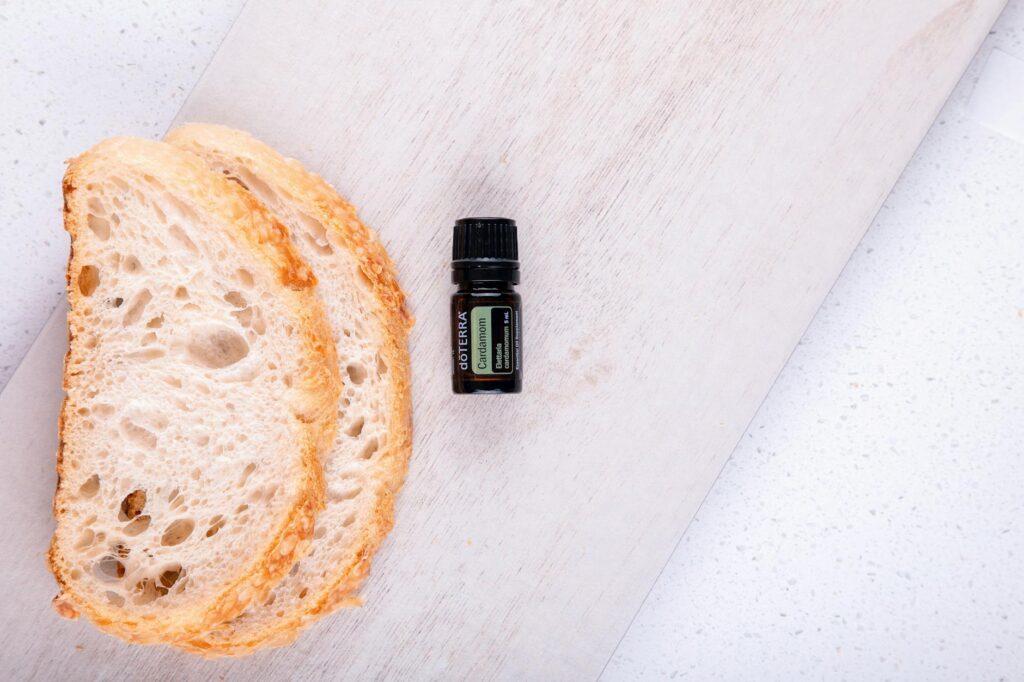
Complete Guide to Cardamom Oil Part 5
Introduction
Cardamom oil, derived from the seeds of the Elettaria cardamomum plant, is a cherished essential oil in both culinary and therapeutic realms. Renowned for its distinctive aroma and myriad benefits, cardamom oil has been utilized for centuries, reflecting a rich history and cultural significance. This article delves into the essential aspects of cardamom oil, including its properties, benefits, applications, and safety considerations.
What Is Cardamom Oil?
Cardamom oil is extracted through steam distillation from the seeds of the cardamom plant, a perennial herb native to India and other parts of South Asia. The oil boasts a warm, spicy, and slightly sweet aroma, making it a popular choice in both perfumery and culinary applications. Its chemical composition primarily includes 1,8-cineole, alpha-terpineol, and limonene, contributing to its unique scent and properties.
The production of cardamom oil involves careful harvesting of the cardamom pods, which are then dried before being subjected to the distillation process. The quality of the oil can vary based on factors such as the geographical location of the plant, the method of extraction, and the time of harvesting.
Key Benefits and Properties
Cardamom oil is celebrated for its diverse range of benefits and therapeutic properties. Some of the most notable include:
- Antioxidant Properties: Cardamom oil contains compounds that help combat oxidative stress in the body, potentially reducing damage caused by free radicals.
- Anti-inflammatory Effects: The oil may help mitigate inflammation, which can be beneficial in addressing various discomforts.
- Digestive Support: Traditionally, cardamom is known for its ability to aid digestion, and cardamom oil may share similar properties, promoting digestive health and alleviating discomfort.
- Mood Enhancer: The aromatic profile of cardamom oil is thought to have uplifting effects, potentially helping to alleviate feelings of anxiety and stress.
- Antibacterial and Antifungal: The oil exhibits properties that may inhibit the growth of certain bacteria and fungi, making it useful in various applications.
- Culinary Uses: In the culinary world, cardamom oil can enhance the flavor of dishes ranging from desserts to savory meals. Its warm, spicy notes complement both sweet and savory ingredients.
- Perfumery: Its unique fragrance makes cardamom oil a popular choice in fragrance formulations. It can add depth and complexity to perfumes and colognes.
- Massage and Body Care: Cardamom oil is often incorporated into massage oils and body care products due to its pleasant scent and potential therapeutic effects.
- Household Cleaning: With its antibacterial properties, cardamom oil can be added to homemade cleaning solutions for a fresh scent and cleaning power.
- Diffusion: Adding cardamom oil to a diffuser can create a warm and inviting atmosphere. It pairs well with other essential oils, such as citrus oils or florals, enhancing the overall aroma.
- Inhalation: Inhaling the scent of cardamom oil directly from the bottle or through a handkerchief can help promote relaxation and improve mood.
- Topical Application: When diluted with a carrier oil, cardamom oil can be applied to the skin for massage or localized support. It is advisable to perform a patch test to ensure skin compatibility.
- Bathing: Adding a few drops of cardamom oil to a warm bath can create a luxurious and aromatic experience, promoting relaxation and well-being.
- Dilution: Always dilute cardamom oil with a carrier oil before applying it to the skin to prevent irritation. A common dilution ratio is 2-3 drops of essential oil per teaspoon of carrier oil.
- Sensitivity Testing: Perform a patch test on a small area of skin before extensive use to check for any adverse reactions.
- Pregnancy and Nursing: Pregnant or nursing individuals should consult with a healthcare professional before using cardamom oil.
- Children: Cardamom oil should be used with caution in children. Consult a qualified aromatherapist or healthcare provider for guidance on appropriate use.
- Allergies: Individuals with known allergies to cardamom or related plants should avoid using cardamom oil.
- Cool, Dark Place: Store cardamom oil in a cool, dark location away from direct sunlight and heat to prevent degradation of its chemical constituents.
- Tight Seal: Ensure the bottle is tightly sealed to minimize exposure to air, which can lead to oxidation.
- Shelf Life: When stored correctly, cardamom oil typically has a shelf life of around 2-3 years. It’s advisable to check the oil for any changes in aroma or appearance, as these may indicate spoilage.
Common Uses
Cardamom oil is versatile and can be utilized in multiple ways, including:
Aromatherapy Applications
In aromatherapy, cardamom oil is used for its uplifting and soothing properties. Here are some common applications:
Safety Considerations
While cardamom oil is generally considered safe for most individuals, there are important safety considerations to keep in mind:
Storage and Shelf Life
Proper storage is essential to preserve the integrity and potency of cardamom oil. Here are some guidelines:
Frequently Asked Questions
1. Is cardamom oil safe for ingestion?
Cardamom oil is generally considered safe for culinary use when used in small amounts. However, it is crucial to ensure that the oil is of food-grade quality and consult an expert if in doubt.
2. Can cardamom oil be used for skin care?
Yes, cardamom oil can be used in skin care when diluted with a carrier oil. It is known for its potential benefits in promoting clear skin, but individual reactions may vary.
3. What are the best essential oils to blend with cardamom oil?
Cardamom oil blends well with various essential oils, including bergamot, lavender, sweet orange, and frankincense. These combinations can enhance its aromatic profile and therapeutic effects.
4. How can I use cardamom oil to improve digestion?
While cardamom oil has traditionally been associated with digestive benefits, it is advisable to consult a qualified practitioner for guidance. Consider using it in aromatherapy or diluted topical applications for potential support.
5. Is cardamom oil safe for pets?
Essential oils can be potent for pets, and cardamom oil should be used with caution. It is recommended to consult a veterinarian before using any essential oils around pets.
Conclusion
Cardamom oil is a versatile and cherished essential oil that offers a unique blend of aromatic and therapeutic properties. Its rich history and diverse applications make it a valuable addition to both culinary and wellness practices. By understanding its benefits, uses, and safety considerations, individuals can fully appreciate the potential of cardamom oil in their daily lives. As with any essential oil, responsible use and a thorough understanding of its properties are key to maximizing its benefits.