
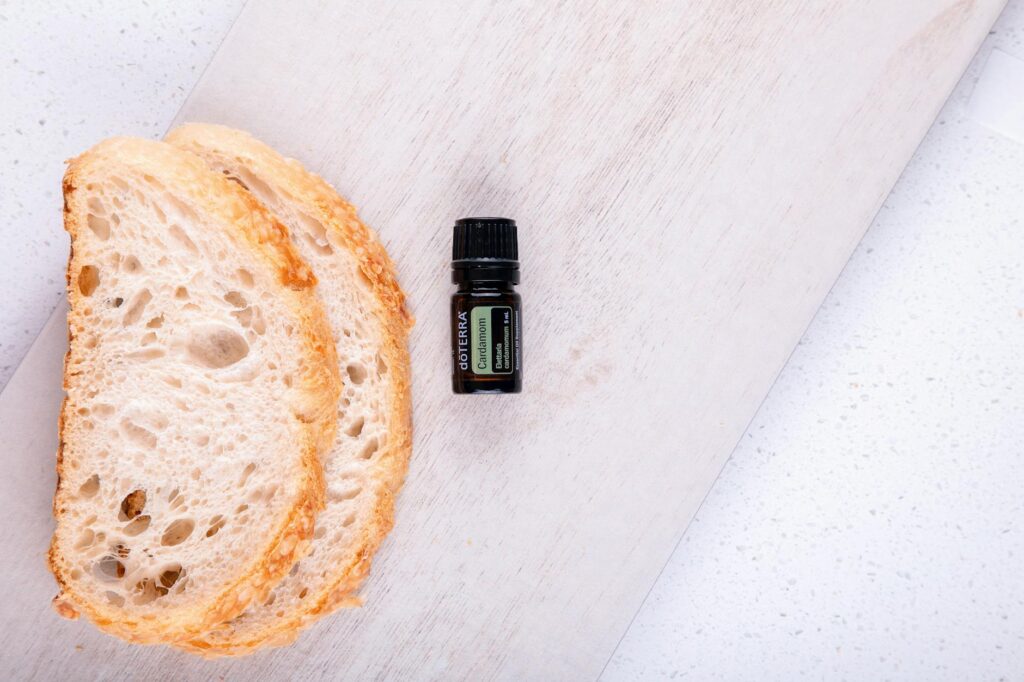
Complete Guide to Cardamom Oil Part 6
Introduction
Cardamom oil is derived from the seeds of the Elettaria cardamomum plant, a perennial herb native to the tropical regions of South Asia. Known for its aromatic fragrance and unique flavor, cardamom has been a staple in culinary practices and traditional medicine for centuries. This article serves as a comprehensive guide to cardamom oil, exploring its properties, benefits, common uses, and safety considerations.
What Is Cardamom Oil?
Cardamom oil is an essential oil extracted through steam distillation of the seeds of cardamom pods. The oil possesses a warm, spicy scent with a hint of sweetness, making it a popular ingredient in both culinary and therapeutic applications. There are two primary species of cardamom: green cardamom (Elettaria cardamomum) and black cardamom (Amomum subulatum), with the former being the more commonly used variety in oil production.
The chemical composition of cardamom oil includes key constituents such as 1,8-cineole, α-terpineol, and limonene, which contribute to its distinctive fragrance and therapeutic properties. The oil is typically pale yellow to colorless and is known for its high volatility, making it suitable for various applications in aromatherapy and personal care products.
Key Benefits and Properties
Cardamom oil boasts a range of beneficial properties that have made it a valued component in traditional practices:
1. Antioxidant Properties: Cardamom oil contains compounds that help combat oxidative stress, potentially protecting cells from damage caused by free radicals.
2. Digestive Support: Traditionally, cardamom has been used to aid digestion and alleviate gastrointestinal discomfort. The oil is thought to promote healthy digestive function.
3. Mood Enhancer: The uplifting aroma of cardamom oil may help to alleviate feelings of stress and anxiety, promoting a sense of well-being.
4. Anti-inflammatory Effects: Some studies suggest that cardamom oil may have anti-inflammatory properties, which could be beneficial for soothing various discomforts.
5. Antimicrobial Activity: Cardamom oil has shown potential antimicrobial effects, which may help in reducing the growth of certain pathogens.
6. Respiratory Support: The oil’s aromatic compounds may help to alleviate respiratory discomfort, easing breathing and promoting clear airways.
Common Uses
Cardamom oil is versatile and can be used in a variety of ways:
1. Culinary Uses: Cardamom oil can enhance the flavor of dishes, particularly in Asian and Middle Eastern cuisines. It is often added to curries, desserts, and beverages like chai.
2. Aromatherapy: The oil is commonly used in diffusers, inhalers, and massage oils to promote relaxation and improve mood.
3. Personal Care Products: Cardamom oil is featured in perfumes, lotions, and soaps due to its pleasant aroma and potential skin benefits.
4. Natural Cleaning Products: Its antimicrobial properties make cardamom oil a favorable addition to homemade cleaning solutions.
5. Massage Therapy: When diluted with a carrier oil, cardamom oil can be used in massage to help relieve tension and discomfort in muscles.
Aromatherapy Applications
In aromatherapy, cardamom oil is valued for its calming and uplifting properties. Here are several common applications:
1. Diffusion: Adding a few drops of cardamom oil to a diffuser can create a warm and inviting atmosphere, perfect for meditation or relaxation.
2. Inhalation: Inhaling the aroma directly from the bottle or by adding a few drops to a handkerchief can provide quick relief from stress and anxiety.
3. Massage Blends: Combining cardamom oil with carrier oils (such as coconut or jojoba oil) can create soothing massage blends that promote relaxation.
4. Bath Additive: Adding cardamom oil to bathwater can enhance the bathing experience, helping to ease tension and promote a sense of tranquility.
5. Sleep Aid: Incorporating cardamom oil into bedtime rituals, such as pillow sprays or pre-sleep diffusions, may help improve sleep quality.
Safety Considerations
While cardamom oil is generally recognized as safe for many uses, it is essential to exercise caution:
1. Dilution: Never apply essential oils directly to the skin without first diluting them with a carrier oil. A common dilution ratio is 2-3 drops of essential oil per teaspoon of carrier oil.
2. Patch Test: Conduct a patch test before using cardamom oil topically to check for any allergic reactions. Apply a diluted drop to a small area of skin and wait 24 hours.
3. Pregnancy and Nursing: Pregnant or nursing individuals should consult a healthcare professional before using cardamom oil.
4. Medical Conditions: Those with existing medical conditions or on medications should consult a healthcare provider before incorporating cardamom oil into their routine.
5. Children: Essential oils should be used cautiously around children. Always consult a pediatrician before using essential oils for children.
6. Quality of Oil: Ensure that you purchase cardamom oil from reputable sources. Look for oils that are 100% pure and free from additives or synthetic ingredients.
Storage and Shelf Life
Proper storage of cardamom oil is crucial to maintaining its quality and potency:
1. Storage Conditions: Store cardamom oil in a cool, dark place away from direct sunlight and heat sources. This helps prevent degradation of the oil.
2. Container Type: Use dark glass bottles to protect the oil from light exposure. Avoid plastic containers, as they may interact with the oil.
3. Shelf Life: When stored correctly, cardamom oil typically has a shelf life of 2-3 years. However, always check for any changes in smell, color, or consistency before use.
Frequently Asked Questions
1. Can cardamom oil be ingested?
While cardamom oil can be used in cooking, ingestion should be approached with caution. It is advisable to consult with a qualified professional before consuming essential oils.
2. How can I use cardamom oil for stress relief?
Inhalation through a diffuser or adding a few drops to a warm bath are popular methods for using cardamom oil to promote relaxation.
3. Is cardamom oil safe for sensitive skin?
Individuals with sensitive skin should perform a patch test before using cardamom oil topically, as it may cause irritation in some cases.
4. Can cardamom oil be used in pregnancy?
Pregnant individuals are advised to consult a healthcare professional before using cardamom oil or any essential oil.
5. How do I know if my cardamom oil is pure?
Look for oils labeled as 100% pure essential oil and check for third-party testing or certifications from reputable sources.
—
In conclusion, cardamom oil is a fascinating essential oil with a rich history and a variety of beneficial properties. Its applications in culinary arts, aromatherapy, and personal care make it a versatile and valuable addition to any essential oil collection. Always remember to use cardamom oil responsibly and with proper precautions to ensure a safe and enjoyable experience.