
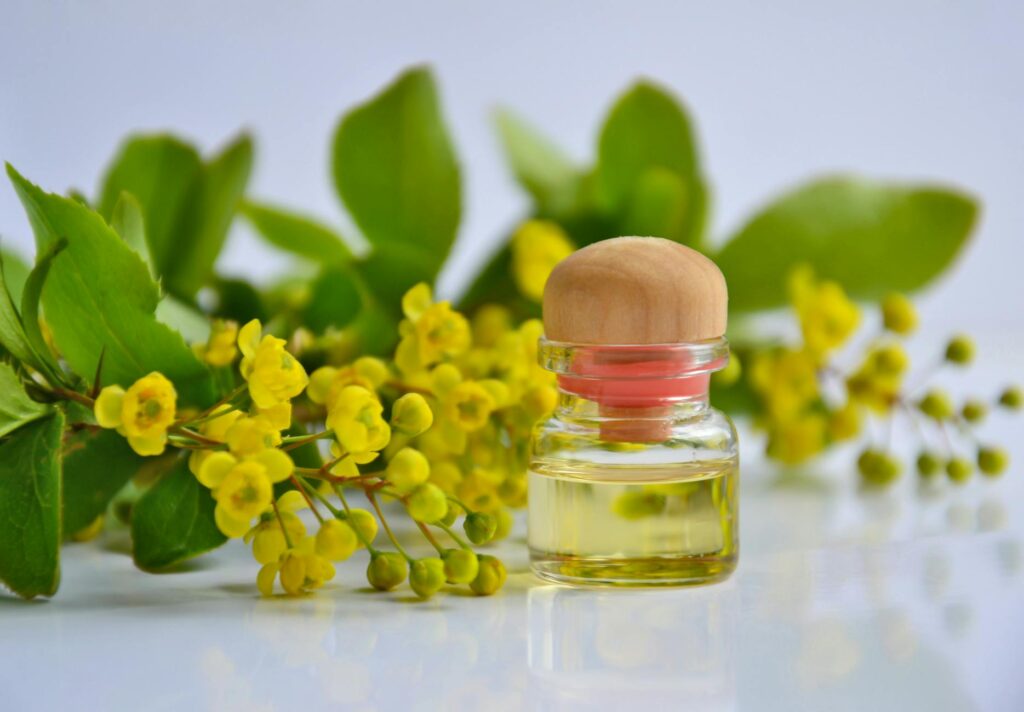
Complete Guide to Cardamom Oil Part 6
Introduction
Cardamom oil, derived from the seeds of the Elettaria cardamomum plant, has been valued for centuries for its potent aroma and versatile applications. This essential oil is not only popular in culinary practices but also holds a significant place in the realm of aromatherapy and natural wellness. In this guide, we will explore the various aspects of cardamom oil, including its properties, benefits, uses, and safety considerations.
What Is Cardamom Oil?
Cardamom oil is an essential oil extracted from the pods of the cardamom plant, a member of the ginger family. The extraction process generally involves steam distillation of the seeds inside the pods. The oil is characterized by its warm, spicy-sweet aroma, which is often described as rich and complex. Cardamom is native to India and other regions of South Asia, and it has been traditionally used in cooking, perfumery, and traditional medicine.
Key Benefits and Properties
Cardamom oil boasts a wide array of beneficial properties that make it a popular choice in various applications:
1. Antioxidant Properties: Cardamom oil contains compounds that can help neutralize free radicals in the body, contributing to overall health.
2. Digestive Support: Commonly known for its potential to aid digestion, the oil may help alleviate discomfort associated with digestive issues.
3. Anti-inflammatory Effects: Studies suggest that cardamom oil may have anti-inflammatory properties, which can be beneficial in reducing inflammation-related conditions.
4. Mood Enhancer: The aroma of cardamom oil is often regarded as uplifting and soothing, helping to reduce stress and anxiety.
5. Antimicrobial Activity: Research indicates that cardamom oil may exhibit antimicrobial properties, making it useful for maintaining hygiene and freshness in various applications.
Common Uses
Cardamom oil is versatile and can be used in a variety of ways:
1. Culinary Uses: Often used as a flavoring agent in both sweet and savory dishes, cardamom oil can add depth and complexity to recipes.
2. Aromatherapy: The oil is frequently used in diffusers and massage oils to create a calming ambiance and promote relaxation.
3. Cosmetic Applications: Due to its pleasant scent and potential skin benefits, cardamom oil is often incorporated into skincare products.
4. Household Products: Its antimicrobial properties make cardamom oil a popular ingredient in natural cleaning products.
5. Perfume: The unique scent profile of cardamom oil makes it a prized ingredient in perfumery, adding warmth to fragrance blends.
Aromatherapy Applications
In the field of aromatherapy, cardamom oil is esteemed for its calming and uplifting effects. Here are some common applications:
1. Diffusion: Adding a few drops of cardamom oil to an essential oil diffuser can create a warm, inviting atmosphere, ideal for meditation or relaxation.
2. Massage: When diluted with a carrier oil, cardamom oil can be used in massage therapy to enhance relaxation and relieve tension.
3. Bathing: A few drops of cardamom oil added to a warm bath can create an indulgent experience, promoting relaxation and alleviating stress.
4. Inhalation: Inhaling the aroma directly from the bottle or using steam inhalation can provide quick relief from feelings of anxiety or stress.
5. Blending with Other Oils: Cardamom oil blends well with various essential oils, such as bergamot, lavender, or sandalwood, enhancing the therapeutic properties of the blend.
Safety Considerations
While cardamom oil is generally considered safe for use, it is important to adhere to certain safety guidelines:
1. Dilution: Essential oils should always be diluted with a carrier oil before applying to the skin. A common dilution ratio is 1-5% essential oil to carrier oil.
2. Patch Test: Conduct a patch test on a small area of skin to check for any allergic reactions before widespread use.
3. Consultation: Individuals with pre-existing health conditions, pregnant or nursing women, and those on medication should consult a healthcare professional before using cardamom oil.
4. Avoiding Ingestion: While cardamom oil is used in cooking, it is important to exercise caution and avoid ingesting essential oils without professional guidance.
5. Storage: Keep cardamom oil away from children and pets, ensuring it is stored in a secure location.
Storage and Shelf Life
Proper storage of cardamom oil is essential for maintaining its quality and potency:
1. Dark Glass Bottles: Store cardamom oil in dark glass bottles to protect it from light exposure, which can degrade the oil.
2. Cool Environment: Keep the oil in a cool, dry place, away from direct sunlight and heat sources.
3. Shelf Life: When stored correctly, cardamom oil typically has a shelf life of 2 to 3 years. However, it is advisable to check for any changes in aroma, color, or consistency before use, as these may indicate spoilage.
Frequently Asked Questions
1. Can cardamom oil be used in cooking?
Yes, cardamom oil can be used as a flavoring agent in cooking. However, it is highly concentrated, so only a few drops are necessary to achieve the desired flavor.
2. Is cardamom oil safe for children?
While cardamom oil is generally regarded as safe, it’s essential to consult a healthcare professional before using it on children. Dilution and proper precautions should always be taken.
3. How can I incorporate cardamom oil into my skincare routine?
Cardamom oil can be added to skincare products or diluted with a carrier oil for topical application. Always perform a patch test first.
4. What essential oils blend well with cardamom oil?
Cardamom oil blends harmoniously with various essential oils, including bergamot, lavender, frankincense, and sandalwood.
5. Is cardamom oil safe during pregnancy?
Pregnant individuals should consult a healthcare professional before using cardamom oil or any essential oils, as some oils may not be safe during pregnancy.
Conclusion
Cardamom oil is a remarkable essential oil with a rich history and a multitude of applications. From its culinary uses to its role in aromatherapy, cardamom oil offers a unique array of benefits. By understanding its properties, uses, and safety considerations, individuals can harness the power of this exceptional oil in their daily lives. Always remember to use essential oils responsibly and enjoy the aromatic journey that cardamom oil can provide.