
Complete Guide to Cardamom Oil Part 7
Introduction
Cardamom oil, derived from the seeds of the Elettaria cardamomum plant, has been celebrated for centuries for its unique flavor and potential therapeutic properties. This aromatic oil is not only a staple in culinary applications but also plays a significant role in the realm of aromatherapy. In this guide, we will explore the essence of cardamom oil, its benefits, uses, and safety considerations, offering a comprehensive overview for those interested in this intriguing essential oil.
What Is Cardamom Oil?
Cardamom oil is extracted from the seeds of the cardamom plant, which is native to the tropical regions of India, Nepal, and Bhutan. The extraction process typically involves steam distillation, which captures the oil’s volatile compounds while preserving its aromatic qualities. Cardamom belongs to the ginger family and is known for its warm, spicy, and slightly sweet scent.
The oil is characterized by its pale yellow to colorless appearance and possesses a complex composition, including key components such as α-terpineol, 1,8-cineole, and limonene. These constituents contribute to its distinctive aroma and potential effects.
Key Benefits and Properties
Cardamom oil is lauded for its multifaceted properties, which include:
1. Antioxidant Properties: The oil contains compounds that may help neutralize free radicals, contributing to overall wellness.
2. Digestive Support: Traditionally, cardamom has been used to aid digestion, and its oil may share similar benefits.
3. Anti-inflammatory Effects: Some studies suggest that cardamom oil may have anti-inflammatory properties, potentially alleviating discomfort.
4. Mood Enhancement: The aroma of cardamom oil is often regarded as uplifting, which may help in reducing stress and promoting a sense of well-being.
5. Antimicrobial Activity: Certain studies indicate that cardamom oil may exhibit antimicrobial properties, potentially aiding in maintaining cleanliness in various applications.
6. Hormonal Balance: Cardamom is sometimes associated with supporting hormonal balance, though more research is necessary to fully understand this effect.
Common Uses
Cardamom oil has a variety of applications, spanning culinary uses to holistic practices. Some common uses include:
Culinary Applications
- Flavoring Agent: Cardamom oil is used to impart warmth and aroma to various dishes, including desserts, teas, and savory dishes.
- Baking: It can be added to baked goods for a unique flavor profile.
- Diffusion: Cardamom oil can be diffused in the air to create a soothing atmosphere, often combined with other essential oils for a synergistic effect.
- Massage: When diluted with a carrier oil, cardamom oil can be used in massage therapies to promote relaxation.
- Perfumes: Its unique scent makes cardamom oil a popular choice in the perfume industry.
- Skin Care: Due to its potential antimicrobial properties, it may be added to skin care formulations.
- Natural Cleaners: The antimicrobial properties of cardamom oil can be utilized in homemade cleaning solutions.
- Dilution: Always dilute cardamom oil with a carrier oil before applying it to the skin. This helps prevent irritation.
- Patch Test: Conduct a patch test prior to widespread use to determine any potential allergic reactions.
- Pregnancy and Nursing: Consult a healthcare professional before using cardamom oil if you are pregnant or nursing.
- Pre-existing Conditions: Individuals with specific medical conditions or those taking medications should consult a healthcare provider before using essential oils.
- Quality: Ensure you are using high-quality, pure essential oils from reputable suppliers to avoid potential contaminants or adulterants.
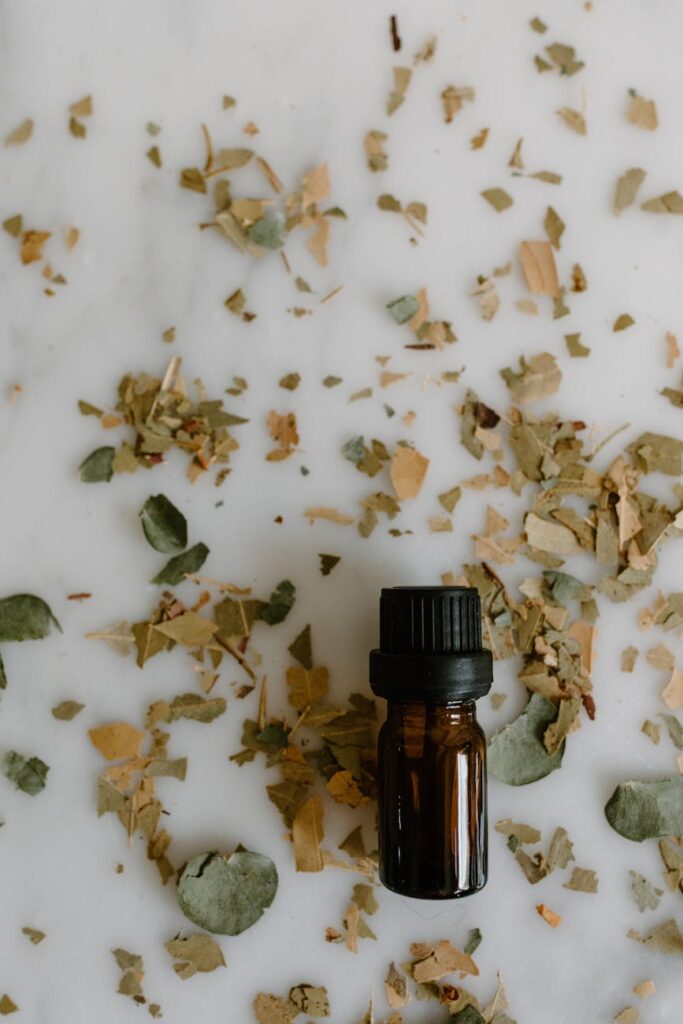
- Container: Store the oil in a dark glass bottle to protect it from light, which can degrade its quality.
- Temperature: Keep the oil in a cool, dry place away from direct sunlight and heat sources.
- Shelf Life: When stored properly, cardamom oil generally has a shelf life of 2-3 years. However, always check for any changes in smell, color, or consistency before use, as these may indicate degradation.
Aromatherapy
Personal Care Products
Household Uses
Aromatherapy Applications
In the field of aromatherapy, cardamom oil is valued for its uplifting and warming properties. Here are several ways to incorporate cardamom oil into your aromatherapy practices:
Diffusion
To create a calming environment, add a few drops of cardamom oil to a diffuser. This can help purify the air and may promote relaxation and mental clarity.
Inhalation
Inhale directly from the bottle or add a few drops to a tissue or cotton ball. This method can be especially effective during moments of stress or fatigue.
Massage
When mixed with a carrier oil, cardamom oil can be applied during massages. This not only allows for the absorption of its aromatic qualities but may also provide a warming sensation on the skin.
Bath
Adding a few drops of cardamom oil to a warm bath can create a relaxing experience. The steam from the bath can enhance the oil’s aromatic properties, promoting a soothing atmosphere.
Safety Considerations
While cardamom oil is generally considered safe when used appropriately, there are some precautions to keep in mind:
Storage and Shelf Life
Proper storage of cardamom oil is essential for maintaining its quality. Here are some tips:
Frequently Asked Questions
What does cardamom oil smell like?
Cardamom oil has a warm, spicy, and slightly sweet aroma, making it a popular choice in both culinary and aromatic applications.
Can cardamom oil be ingested?
While cardamom oil is sometimes used in food, it is crucial to consult with a knowledgeable source before ingesting any essential oil, as not all oils are safe for consumption.
Is cardamom oil safe for children?
While cardamom oil may be used in certain applications for children, it is advisable to consult with a healthcare professional for age-appropriate usage and dilution guidelines.
How do I use cardamom oil in a diffuser?
To use cardamom oil in a diffuser, simply add a few drops to the water reservoir, following the manufacturer’s instructions. This allows the oil to disperse its aroma throughout the space.
Can cardamom oil help with stress?
Many people find the warm and uplifting scent of cardamom oil to be calming, which may help alleviate feelings of stress when used in aromatherapy.
Conclusion
Cardamom oil is a versatile essential oil with a rich history and a variety of applications in culinary, personal care, and holistic practices. Its unique aroma and potential benefits make it an attractive addition to any essential oil collection. As with all essential oils, proper usage and safety considerations are paramount to ensure a positive experience. Whether you are looking to enhance your culinary creations or create a calming environment, cardamom oil offers a delightful exploration into the world of aromatherapy.