
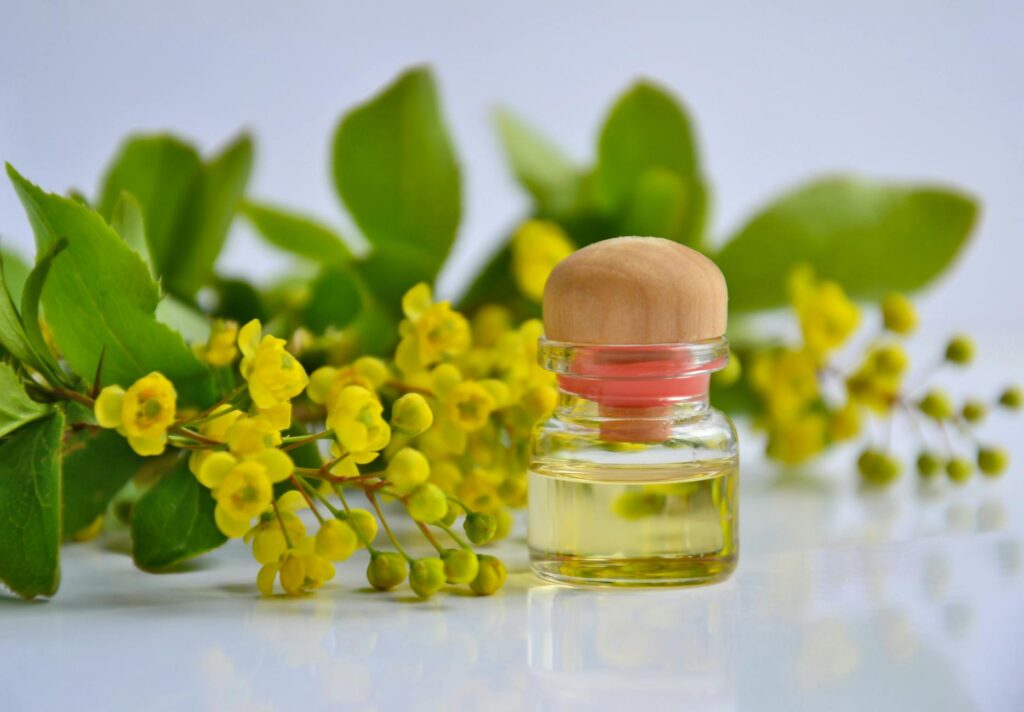
Complete Guide to Cardamom Oil Part 7
Introduction
Cardamom oil, extracted from the seeds of the Elettaria cardamomum plant, is one of the oldest and most cherished essential oils in the world. Known for its warm, spicy aroma, cardamom oil has found its place not only in culinary practices but also in various therapeutic applications. This guide delves into the characteristics, benefits, and uses of cardamom oil, providing readers with a comprehensive understanding of this remarkable essential oil.
What Is Cardamom Oil?
Cardamom oil is derived from the seeds of the cardamom plant, which belongs to the Zingiberaceae family, the same family as ginger and turmeric. The oil is typically extracted through steam distillation, a process that captures the plant’s volatile compounds while preserving its aromatic profile.
The cardamom plant is native to the tropical regions of South Asia, particularly India, where it has been cultivated for thousands of years. The seeds have a rich history in culinary and traditional medicine, making cardamom oil a valuable addition to the world of essential oils.
Key Benefits and Properties
Cardamom oil is celebrated for its numerous properties and benefits, which can be classified as follows:
1. Antimicrobial Properties
Cardamom oil is known for its antimicrobial effects, which can help combat various bacteria and fungi. These properties make it a popular choice for natural cleaning products and personal care items.
2. Digestive Aid
Traditionally, cardamom has been used to support digestive health. The oil may help alleviate indigestion, gas, and bloating, making it a valuable addition to digestive blends.
3. Mood Enhancer
The warm and spicy aroma of cardamom oil is thought to have uplifting effects on mood. It may help reduce feelings of anxiety and promote a sense of calm and well-being.
4. Anti-inflammatory Effects
Some studies suggest that cardamom oil may possess anti-inflammatory properties, which could help alleviate discomfort related to inflammation in the body.
5. Antioxidant Activity
Cardamom oil contains various compounds that exhibit antioxidant properties, helping to neutralize harmful free radicals and support overall health.
Common Uses
Cardamom oil is versatile and can be utilized in a variety of applications, including:
1. Culinary Uses
In cooking, cardamom oil can enhance flavor profiles in both savory and sweet dishes. It is often used in baked goods, beverages, and spice blends. A drop or two can be added to recipes for an aromatic twist.
2. Personal Care Products
Due to its pleasant fragrance and beneficial properties, cardamom oil is commonly found in perfumes, lotions, and soaps. It can also be added to DIY skincare formulations for its potential skin benefits.
3. Household Cleaning
The antimicrobial properties of cardamom oil make it suitable for natural cleaning solutions. It can be combined with other essential oils and carrier oils to create effective cleaning products.
4. Massage and Body Oils
Cardamom oil is often used in massage blends for its soothing properties. When diluted with a carrier oil, it can promote relaxation and ease tension in the body.
Aromatherapy Applications
Aromatherapy is a holistic approach that utilizes essential oils to enhance physical and emotional well-being. Cardamom oil can be incorporated into various aromatherapy practices:
1. Diffusion
Using a diffuser, cardamom oil can fill a room with its warm aroma, creating a calming atmosphere. It can be blended with other essential oils, such as lavender or bergamot, for a more complex scent profile.
2. Inhalation
Inhalation is another effective way to experience the benefits of cardamom oil. A few drops can be added to a tissue or inhaler for on-the-go aromatherapy.
3. Bathing
Adding cardamom oil to a warm bath can create a luxurious and aromatic experience. It can be blended with carrier oils or salts for added benefits.
4. Meditation and Mindfulness
Incorporating cardamom oil into meditation practices can enhance focus and clarity. The oil’s uplifting scent can help create a serene environment conducive to mindfulness.
Safety Considerations
While cardamom oil is generally regarded as safe for most people, there are some important safety considerations to keep in mind:
1. Dilution
Essential oils should always be diluted before topical application. A common recommendation is to mix 1-2 drops of cardamom oil with a carrier oil, such as jojoba or coconut oil, to reduce the risk of skin irritation.
2. Allergies
Individuals with known allergies to plants in the Zingiberaceae family, including ginger and turmeric, should exercise caution when using cardamom oil.
3. Pregnancy and Nursing
Pregnant or nursing individuals should consult with a healthcare professional before using cardamom oil, as some essential oils may not be suitable during these periods.
4. Sensitivity Testing
Before using cardamom oil on larger areas of the skin, it is advisable to perform a patch test. Apply a small amount of diluted oil to a discreet area and wait 24 hours to check for any adverse reactions.
Storage and Shelf Life
Proper storage is essential to maintain the quality and efficacy of cardamom oil. Here are some tips for storing this essential oil:
1. Dark Glass Containers
Cardamom oil should be kept in dark glass bottles to protect it from light, which can degrade the oil over time.
2. Cool, Dry Place
Store the oil in a cool, dry place, away from direct sunlight and heat sources. This helps to preserve the oil’s integrity and prolong its shelf life.
3. Shelf Life
When stored correctly, cardamom oil has a shelf life of approximately 2-3 years. However, it’s always best to check for any changes in aroma or consistency before use.
Frequently Asked Questions
1. Can cardamom oil be ingested?
While cardamom oil is used in food and beverages, it is essential to consult a qualified aromatherapist or healthcare professional before ingesting any essential oil.
2. Is cardamom oil safe for children?
Cardamom oil can be used safely with children when diluted appropriately. However, it’s always best to consult with a healthcare professional before use.
3. What are the best essential oils to blend with cardamom oil?
Cardamom oil pairs well with various essential oils, including citrus oils (like orange and lemon), floral oils (like lavender), and other spice oils (like cinnamon and ginger).
4. How can I use cardamom oil for relaxation?
Cardamom oil can be used in diffusers, baths, or massage blends to promote relaxation. Its warm aroma can help create a calming environment.
5. Where can I purchase high-quality cardamom oil?
High-quality cardamom oil can be found at health food stores, specialty aromatherapy shops, and reputable online retailers. Always look for oils that are 100% pure and free from additives.
Conclusion
Cardamom oil is a versatile and aromatic essential oil with a rich history and numerous benefits. Its applications in culinary practices, personal care, and aromatherapy make it a valuable addition to any essential oil collection. By understanding its properties, uses, and safety considerations, individuals can fully appreciate the unique qualities of cardamom oil. Always remember to use essential oils responsibly and consult experts when necessary to ensure safe and effective use.