
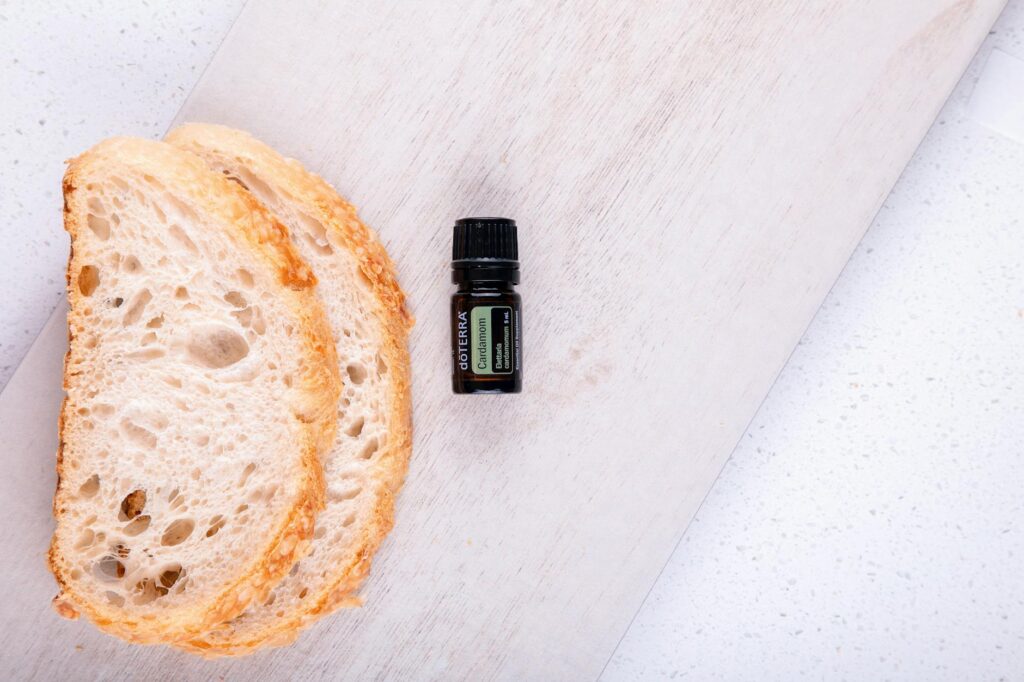
Complete Guide to Cardamom Oil
Introduction
Cardamom oil, derived from the seeds of the Elettaria cardamomum plant, is a treasured essential oil known for its distinctive aroma and wide range of applications. This oil has been utilized for centuries in traditional medicine, culinary practices, and aromatherapy. In this guide, we will explore the characteristics of cardamom oil, its benefits, common uses, and safety considerations, providing a comprehensive overview for those interested in this aromatic oil.
What Is Cardamom Oil?
Cardamom oil is an essential oil extracted from the seeds of the cardamom plant, which belongs to the ginger family, Zingiberaceae. The extraction process typically involves steam distillation of the seeds, which are known for their spicy, sweet, and warm aroma. There are two primary varieties of cardamom: green cardamom (Elettaria cardamomum) and black cardamom (Amomum subulatum). Green cardamom is more widely used for oil extraction and has a more delicate flavor and scent profile.
The oil is composed of various chemical constituents, including 1,8-cineole, alpha-terpineol, and linalool, which contribute to its unique fragrance and therapeutic properties. Cardamom oil is often characterized by its warm, sweet, and slightly spicy scent, making it a popular choice in both culinary and aromatic applications.
Key Benefits and Properties
Cardamom oil is celebrated for its diverse array of benefits and properties:
1. Digestive Support
Cardamom oil is often recognized for its potential to aid in digestive health. It may help alleviate symptoms of indigestion, bloating, and gas, promoting overall gastrointestinal comfort.
2. Antimicrobial Activity
Research suggests that cardamom oil possesses antimicrobial properties, which may help combat various pathogens. This makes it a valuable addition to natural cleaning products and personal care formulations.
3. Anti-inflammatory Effects
The oil is believed to have anti-inflammatory properties, which may help reduce inflammation in the body. This can be particularly beneficial for soothing sore muscles and joints.
4. Mood Enhancer
Cardamom oil is often associated with uplifting properties. Its sweet and spicy aroma can help elevate mood and reduce feelings of stress and anxiety, making it a popular choice in aromatherapy.
5. Respiratory Health
The oil may also support respiratory health by promoting clear airways and easing breathing. This makes it a potential ally during seasonal changes or respiratory challenges.
Common Uses
Cardamom oil has a variety of applications across different domains:
1. Culinary Uses
In culinary practices, cardamom oil can be used sparingly to enhance the flavor of dishes, desserts, and beverages. It pairs well with spices like cinnamon and nutmeg and can be added to baked goods, curries, and chai tea.
2. Aromatherapy
In aromatherapy, cardamom oil is used in diffusers, massage oils, and personal care products. Its warm and inviting scent makes it a popular choice for creating calming environments.
3. Cosmetic Formulations
Cardamom oil is incorporated into various cosmetic products, including skincare and haircare formulations. Its potential antimicrobial and anti-inflammatory properties make it a beneficial addition to products aimed at promoting healthy skin and hair.
4. Natural Cleaning Products
Due to its antimicrobial properties, cardamom oil can be included in homemade cleaning solutions, providing a pleasant scent while helping to disinfect surfaces.
Aromatherapy Applications
Cardamom oil is a versatile essential oil in aromatherapy, known for its soothing and uplifting effects. Here are some common applications:
1. Diffusion
Adding a few drops of cardamom oil to a diffuser can create a warm and inviting atmosphere. It blends well with other essential oils such as bergamot, lavender, and frankincense, enhancing the overall aromatic experience.
2. Massage
When diluted with a carrier oil, cardamom oil can be used in massage to promote relaxation and alleviate muscle tension. Its warm properties can enhance the soothing effects of the massage.
3. Bath Additive
Adding cardamom oil to bathwater can create a spa-like experience. The warm aroma can help elevate mood and provide a sense of relaxation.
4. Inhalation
Inhaling cardamom oil directly from the bottle or through steam inhalation can provide respiratory support and promote feelings of calmness and clarity.
Safety Considerations
While cardamom oil is generally regarded as safe for use, it is essential to consider the following safety precautions:
1. Dilution
Always dilute cardamom oil with a carrier oil before applying it to the skin. A common dilution ratio is 2-3 drops of essential oil per teaspoon of carrier oil.
2. Sensitivity Testing
Perform a patch test by applying a diluted amount of the oil to a small area of skin to check for any allergic reactions or sensitivities.
3. Avoid During Pregnancy
Pregnant individuals should consult a healthcare professional before using cardamom oil, as some essential oils may not be recommended during pregnancy.
4. Consult a Professional
If you have specific health concerns or conditions, it is advisable to consult a qualified aromatherapist or healthcare practitioner before using cardamom oil.
Storage and Shelf Life
Proper storage of cardamom oil is crucial for maintaining its quality and potency. Here are some guidelines:
1. Store in a Cool, Dark Place
Keep cardamom oil in a dark glass bottle, away from direct sunlight and heat sources. A cool, dark cupboard or a refrigerator is ideal for storage.
2. Seal Tightly
Ensure that the bottle is tightly sealed to prevent oxidation and contamination.
3. Shelf Life
When stored properly, cardamom oil typically has a shelf life of 2-3 years. However, it is essential to check for any changes in aroma or appearance that may indicate spoilage.
Frequently Asked Questions
1. Is cardamom oil safe for children?
Cardamom oil can be used for children over the age of 2 when properly diluted. It is advisable to consult a healthcare professional for guidance on safe use for younger children.
2. Can I use cardamom oil in cooking?
Yes, cardamom oil can be used in cooking, but it should be used sparingly due to its potent flavor. It pairs well with various dishes and desserts.
3. What is the best way to use cardamom oil for stress relief?
Diffusing cardamom oil or adding it to a warm bath can be effective methods for promoting relaxation and reducing stress.
4. Can I apply cardamom oil directly to my skin?
No, cardamom oil should always be diluted with a carrier oil before applying it to the skin to prevent irritation.
5. Where can I purchase high-quality cardamom oil?
High-quality cardamom oil can be found at specialty health stores, online retailers, and aromatherapy suppliers. Always choose oils that are labeled as 100% pure and organic, if possible.
Conclusion
Cardamom oil is a remarkable essential oil that offers a myriad of benefits and applications. From culinary uses to aromatherapy, its warm and inviting aroma makes it a popular choice for enhancing overall well-being. By understanding its properties, uses, and safety considerations, individuals can harness the potential of cardamom oil to enrich their lives and promote a sense of balance and tranquility. Whether you are a seasoned aromatherapy practitioner or a curious newcomer, cardamom oil is a valuable addition to any essential oil collection.