
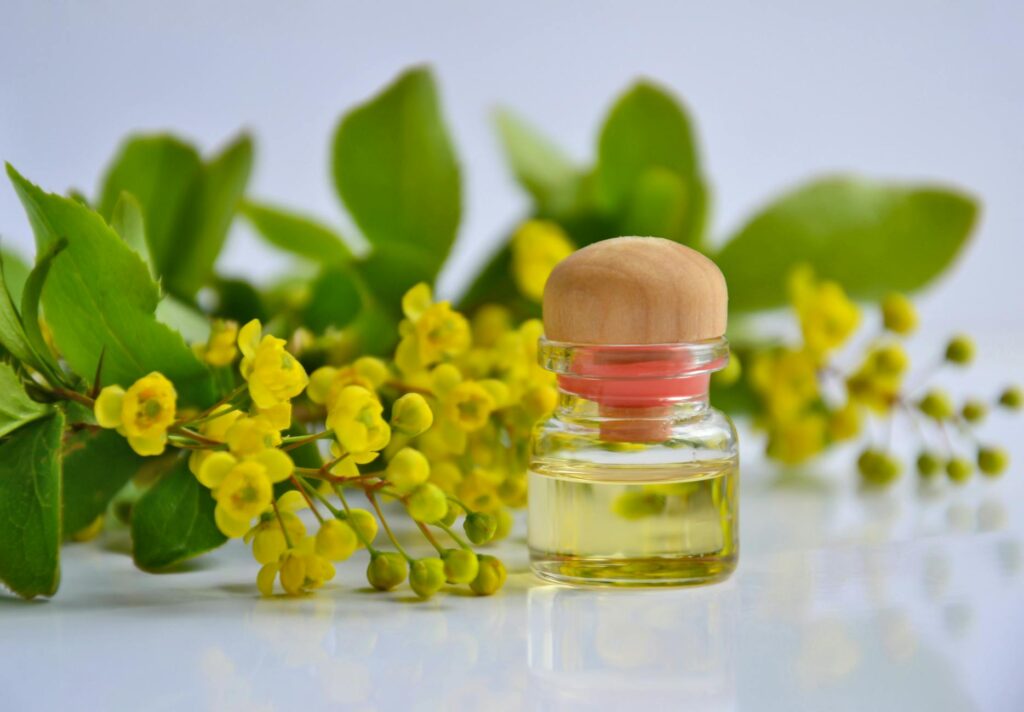
Complete Guide to Carrier Oils Part 4
Introduction
In the realm of aromatherapy and essential oils, carrier oils play an indispensable role. Often overshadowed by their aromatic counterparts, these oils facilitate the safe application of essential oils, enhance their absorption, and contribute their own unique benefits. This guide aims to provide an in-depth understanding of carrier oils, exploring their properties, uses, applications, and safety considerations.
What Are Carrier Oils?
Carrier oils are non-volatile oils derived from the fatty portions of plants, primarily seeds, nuts, or kernels. Unlike essential oils, which are highly concentrated and evaporate quickly, carrier oils are heavier, thicker, and characterized by their ability to dilute essential oils. This dilution is essential for safe topical application, as essential oils can be potent and potentially irritating when used undiluted.
Common examples of carrier oils include jojoba oil, sweet almond oil, coconut oil, and olive oil, each offering distinct properties and advantages. Their use is not limited to the dilution of essential oils; they also serve as excellent bases for massage oils, skincare products, and other formulations.
Key Benefits and Properties
Carrier oils possess a variety of beneficial properties that contribute to their versatility in aromatherapy and skincare:
1. Nutrient-Rich: Many carrier oils are rich in vitamins (such as vitamins A, D, and E), minerals, and fatty acids, making them suitable for nourishing the skin and promoting overall skin health.
2. Moisturizing: Their emollient properties help to lock in moisture, making carrier oils ideal for dry skin types. They can create a barrier that prevents transepidermal water loss.
3. Soothing and Healing: Some carrier oils have anti-inflammatory and soothing properties that can help reduce redness and irritation. Oils such as calendula and tamanu are particularly known for their healing abilities.
4. Absorption: Carrier oils can enhance the absorption of essential oils into the skin, allowing for better efficacy in therapeutic applications.
5. Non-Irritating: Unlike essential oils, carrier oils are generally non-irritating and safe for most skin types, making them suitable for sensitive skin and children.
Common Uses
Carrier oils have a wide range of applications, making them a staple in many households. Some common uses include:
- Massage Oils: When combined with essential oils, carrier oils are often used as massage oils to enhance relaxation and relieve muscle tension.
- Skin Care: Carrier oils are commonly found in lotions, creams, and serums. They help to hydrate and nourish the skin, making them suitable for various skin types.
- Hair Care: Many carrier oils can be used to condition and nourish hair, helping to improve shine, manageability, and overall health.
- Bath Oils: Adding carrier oils to bath water can provide moisturizing benefits and enhance the overall bathing experience.
- Dilution of Essential Oils: Carrier oils are essential for safely diluting essential oils for topical applications, ensuring that the skin is protected from potential irritation.
- Jojoba Oil: Mimicking the skin’s natural sebum, jojoba oil is an excellent choice for all skin types. It helps balance oil production and is often used in facial blends.
- Sweet Almond Oil: Known for its ability to soothe and moisturize, sweet almond oil is an ideal carrier for massage oils and skin care formulations, especially for dry skin.
- Coconut Oil: This oil is favored for its moisturizing properties and pleasant scent. It is often used in hair care and as a base for body scrubs.
- Grapeseed Oil: Lightweight and easily absorbed, grapeseed oil is commonly used in massage blends and is often chosen for its non-greasy feel.
- Olive Oil: Rich in antioxidants, olive oil is not only beneficial for culinary uses but also serves as an effective carrier oil for skin care.
Aromatherapy Applications
In aromatherapy, carrier oils serve as a vital medium for the application of essential oils. Here are a few popular carrier oils and their specific aromatherapy applications:
Safety Considerations
While carrier oils are generally safe, there are important considerations to keep in mind:
1. Allergies: Always perform a patch test before using a new carrier oil, particularly for individuals with nut allergies or sensitive skin.
2. Quality: Choose high-quality, cold-pressed, and organic carrier oils when possible. Refined oils may have fewer beneficial properties.
3. Dilution Ratios: When blending essential oils with carrier oils, adhere to recommended dilution ratios. A common guideline is to use a 2-5% dilution for topical applications.
4. Storage: Some carrier oils can go rancid over time. Proper storage is essential to prolong their shelf life and maintain their beneficial properties.
Storage and Shelf Life
Proper storage of carrier oils is crucial for maintaining their quality. Here are some recommendations for storage:
1. Dark Glass Containers: Store carrier oils in dark glass bottles to protect them from light, which can degrade their quality.
2. Cool, Dry Place: Keep oils in a cool, dry location, away from heat sources and direct sunlight. A temperature range of 60°F to 75°F (15°C to 24°C) is generally ideal.
3. Refrigeration: Some oils, such as flaxseed oil, benefit from refrigeration to prolong their shelf life.
4. Expiration Dates: Carrier oils typically have a shelf life ranging from 6 months to 2 years, depending on the type. Always check for rancidity by smelling or examining the oil for changes in color or consistency.
Frequently Asked Questions
1. Can I use carrier oils on sensitive skin?
Yes, many carrier oils are suitable for sensitive skin, but it’s important to perform a patch test first. Jojoba oil and sweet almond oil are often recommended for sensitive skin types.
2. How do I choose the right carrier oil?
Choosing the right carrier oil depends on your specific needs. Consider factors such as skin type, desired benefits, and scent preferences when selecting a carrier oil.
3. Can I mix different carrier oils?
Yes, blending different carrier oils can create a customized oil that meets your specific needs. Just ensure that the combined oils are compatible and suitable for your intended use.
4. Are carrier oils safe for children?
Most carrier oils are generally safe for children when used appropriately. However, always perform a patch test and consult with a knowledgeable source about specific oils for children.
5. What is the best way to dilute essential oils with carrier oils?
A common dilution ratio is 2-5% essential oil to carrier oil. This translates to approximately 12-30 drops of essential oil per ounce (30 ml) of carrier oil. Adjust based on individual sensitivity and intended use.
Conclusion
Carrier oils are essential components in the world of aromatherapy and holistic skincare. Their diverse properties and applications make them invaluable for anyone interested in using essential oils safely and effectively. By understanding their benefits, uses, and safety considerations, individuals can harness the power of carrier oils to enhance their well-being and enrich their aromatherapy experience.