
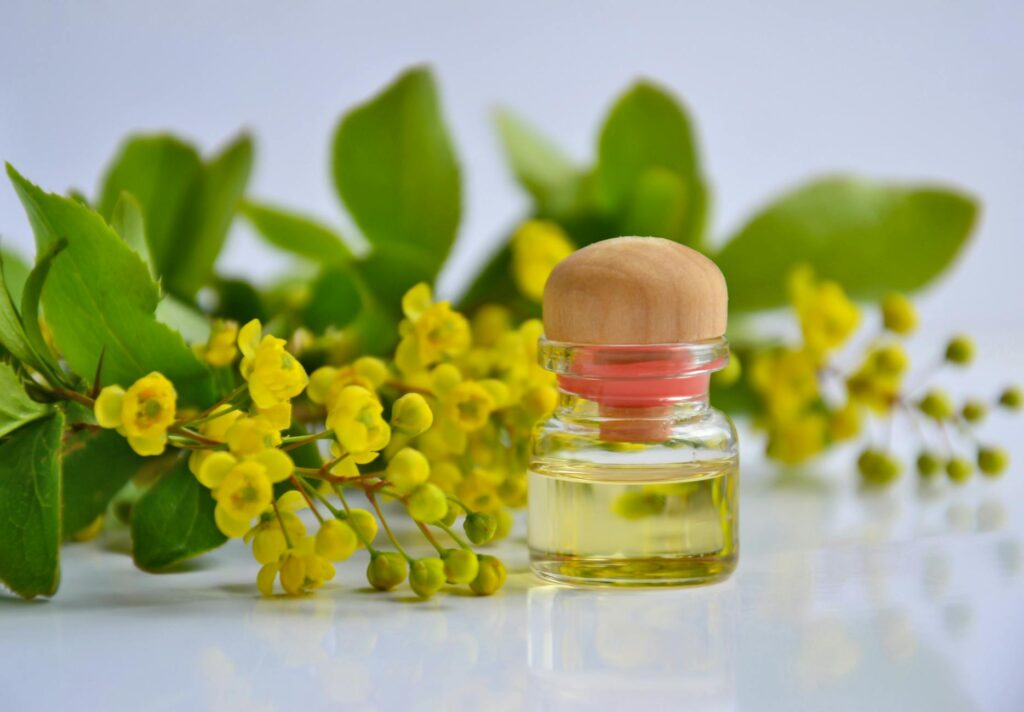
Complete Guide to Carrier Oils Part 6
Introduction
In the realm of essential oils and aromatherapy, carrier oils serve as an essential foundation for safe and effective application. While essential oils are highly concentrated plant extracts known for their aromatic and therapeutic properties, carrier oils dilute these potent substances, ensuring they can be safely applied to the skin and used in various applications. This article, the sixth installment in our comprehensive series on carrier oils, delves into their characteristics, benefits, applications, and other important considerations.
What Are Carrier Oils?
Carrier oils are vegetable oils derived from the fatty portions of plants, primarily seeds, nuts, or kernels. Unlike essential oils, which are volatile and aromatic, carrier oils have a mild scent and a thicker consistency. They act as a medium to transport essential oils onto the skin and facilitate their absorption.
Carrier oils are rich in fatty acids, vitamins, and antioxidants, making them beneficial for skin health and overall well-being. They can be used individually or blended to create customized formulations for various applications in aromatherapy, cosmetics, and massage therapy.
Key Benefits and Properties
Carrier oils possess various beneficial properties that make them invaluable in aromatherapy and skincare. Here are some key benefits:
1. Moisturizing
Most carrier oils contain essential fatty acids that help hydrate and nourish the skin. This property makes them ideal for dry or sensitive skin types.
2. Skin Repair
Many carrier oils contain vitamins A, C, and E, along with other antioxidants that promote skin repair and regeneration. They can support the healing of minor wounds, burns, and other skin conditions.
3. Anti-inflammatory
Certain carrier oils, such as jojoba and sweet almond oil, possess anti-inflammatory properties, making them suitable for soothing irritated skin.
4. Non-Comedogenic
Some carrier oils, like grapeseed oil, are non-comedogenic, meaning they do not clog pores. This property makes them suitable for acne-prone skin.
5. Nutrient-Rich
Carrier oils are often rich in essential nutrients, including omega-3 and omega-6 fatty acids, which are vital for maintaining skin health.
Common Uses
Carrier oils have a wide range of applications across various fields, including:
1. Massage Therapy
Carrier oils are frequently used in massage therapy as a lubricant, allowing for smooth and controlled movements. They enhance the overall experience and contribute to skin nourishment.
2. Cosmetics and Skincare
Many commercial skincare products incorporate carrier oils due to their moisturizing and nourishing properties. They can be used in formulations for creams, lotions, serums, and balms.
3. Aromatherapy
In aromatherapy, carrier oils are essential for diluting essential oils before topical application. They ensure that the essential oil is safe for skin contact while preserving its therapeutic properties.
4. Hair Care
Carrier oils can be used to condition and nourish hair. They can be applied directly to the scalp or blended with essential oils for enhanced benefits.
5. DIY Products
Crafting your own skincare and hair care products is made easy with carrier oils. They serve as a base for creating lotions, scrubs, and hair treatments.
Aromatherapy Applications
The use of carrier oils in aromatherapy extends beyond mere dilution. They play a vital role in enhancing the therapeutic effects of essential oils. Here are some common applications:
1. Topical Application
Carrier oils are typically blended with essential oils for direct application on the skin. The recommended dilution ratio is usually 2-5% essential oil to carrier oil, depending on the intended use and the individual’s skin sensitivity.
2. Baths
Adding carrier oils to bathwater can create a luxurious and moisturizing experience. A few drops of essential oil mixed with a carrier oil can enhance the aromatherapy benefits while nourishing the skin.
3. Inhalation
While carrier oils are not typically used for inhalation, they can be combined with essential oils in aromatherapy diffusers to create a fragrant atmosphere.
4. Compresses
Carrier oils can be used as part of a warm or cold compress, providing targeted relief for specific areas of discomfort while delivering the therapeutic properties of essential oils.
Safety Considerations
While carrier oils are generally safe for topical use, it is essential to consider the following safety precautions:
1. Patch Testing
Before applying a new carrier oil or essential oil blend to a larger area of skin, it is advisable to perform a patch test. Apply a small amount to a discreet area and wait 24 hours to check for any adverse reactions.
2. Allergies
Individuals with nut allergies should exercise caution when using carrier oils derived from nuts, such as almond or walnut oil. Always read labels carefully and consult with a qualified professional if uncertain.
3. Essential Oil Dilution
Always dilute essential oils in a carrier oil before application to avoid potential skin irritation. The recommended dilution ratios may vary based on the essential oil and the individual’s skin type.
4. Pregnancy and Nursing
While many carrier oils are considered safe during pregnancy and nursing, it is advisable to consult with a healthcare professional before use.
Storage and Shelf Life
Proper storage of carrier oils is essential for maintaining their quality and extending their shelf life. Here are some guidelines:
1. Dark Glass Containers
Store carrier oils in dark glass bottles to protect them from light, which can degrade their quality over time.
2. Cool, Dry Place
Keep carrier oils in a cool, dry location, away from direct sunlight and heat sources. This helps prevent oxidation and rancidity.
3. Refrigeration
Some carrier oils, particularly those high in polyunsaturated fats, may benefit from refrigeration to prolong their shelf life.
4. Shelf Life
The shelf life of carrier oils varies depending on their composition. Generally, lighter oils, such as grapeseed or sunflower oil, have a shorter shelf life (6-12 months), while heavier oils, such as coconut or olive oil, can last up to 2 years or more if stored properly.
Frequently Asked Questions
1. What is the difference between carrier oils and essential oils?
Carrier oils are derived from the fatty portions of plants and are used to dilute essential oils, while essential oils are concentrated plant extracts with strong aromas and therapeutic properties.
2. Can carrier oils go rancid?
Yes, carrier oils can go rancid over time, especially if not stored properly. Always check for off smells or changes in color before use.
3. Which carrier oil is best for sensitive skin?
Jojoba oil and sweet almond oil are often recommended for sensitive skin due to their gentle nature and soothing properties.
4. Are there any carrier oils I should avoid?
Individuals with nut allergies should avoid carrier oils derived from nuts, such as almond oil. Additionally, it is advisable to consult with a healthcare professional if uncertain about specific oils.
5. Can I mix multiple carrier oils?
Yes, blending different carrier oils can create a customized formulation that combines the benefits of each oil. Experimentation can lead to unique formulations tailored to individual needs.
Conclusion
Carrier oils are indispensable in the world of essential oils and aromatherapy. Their ability to safely dilute concentrated essential oils, combined with their skin-nourishing properties, makes them a vital component in holistic wellness practices. By understanding the benefits, applications, and safety considerations associated with carrier oils, individuals can confidently incorporate them into their skincare and aromatherapy routines.