
Complete Guide to Castor Oil Part 12
Introduction
Castor oil, a versatile and multifaceted substance, has been utilized for centuries across various cultures for its numerous applications. Derived from the seeds of the Ricinus communis plant, this oil is not only a staple in the beauty and wellness industries but also finds its place in traditional and modern practices alike. This guide aims to delve into the intricacies of castor oil, exploring its properties, uses, and safety considerations.
What Is Castor Oil?
Castor oil is a pale yellow or colorless oil obtained from the seeds of the castor bean plant, Ricinus communis. The extraction process typically involves cold-pressing the seeds, which helps preserve the oil’s natural properties. Rich in ricinoleic acid, a unique fatty acid, castor oil possesses distinct characteristics that contribute to its wide-ranging applications. While it is often associated with its use as a laxative, castor oil is also a significant player in the world of cosmetics, pharmaceuticals, and industrial applications.
Key Benefits and Properties
1. Rich Composition
Castor oil is composed primarily of triglycerides, with ricinoleic acid making up about 90% of its fatty acid profile. This high concentration of ricinoleic acid is responsible for many of its beneficial properties, including anti-inflammatory, antimicrobial, and moisturizing effects.
2. Anti-Inflammatory Properties
Research indicates that ricinoleic acid can help reduce inflammation, making castor oil a popular choice for topical applications aimed at soothing various skin irritations. Its anti-inflammatory properties may assist in alleviating discomfort associated with conditions like arthritis or muscle soreness.
3. Moisturizing Agent
Due to its emollient properties, castor oil is an excellent moisturizer for the skin and hair. It helps to lock in moisture, making it beneficial for dry or damaged skin and hair.
4. Antimicrobial Effects
Studies suggest that castor oil may possess antimicrobial properties, which can inhibit the growth of certain bacteria and fungi. This quality makes it a valuable addition to skincare formulations aimed at treating acne or other skin conditions.
Common Uses
1. Skin Care
Castor oil is widely used in skincare products due to its moisturizing and healing properties. It is often found in lotions, creams, and serums aimed at hydrating the skin and promoting a smooth texture.
2. Hair Care
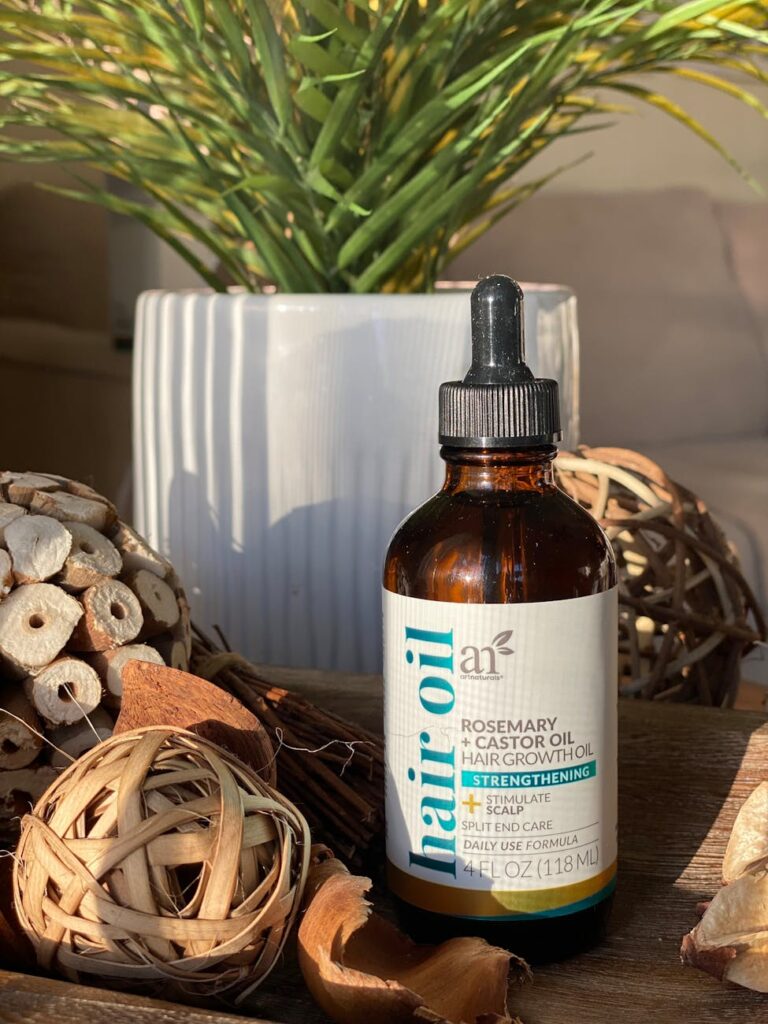
Many hair care formulations include castor oil as a key ingredient. Its ability to penetrate the hair shaft and provide moisture makes it effective for treating dry, brittle hair. Additionally, it is believed to promote hair growth and thickness when used regularly.
3. Laxative
Historically, castor oil has been used as a natural laxative. However, this use is less common in modern times due to the availability of more effective and less unpleasant alternatives.
4. Massage Oil
Due to its thick consistency and emollient properties, castor oil is often employed as a base in massage oils. It can help relieve muscle tension and soothe sore spots when used in combination with essential oils.
Aromatherapy Applications
In the realm of aromatherapy, castor oil serves multiple purposes. While it is not typically used for its fragrance, it is frequently utilized as a carrier oil due to its ability to dilute essential oils effectively.
1. Carrier Oil
As a carrier oil, castor oil can blend seamlessly with essential oils such as lavender, peppermint, and eucalyptus. This combination allows for the benefits of essential oils to be absorbed through the skin while minimizing the risk of irritation.
2. Skin Treatments
Aromatherapists may recommend castor oil for topical applications aimed at addressing various skin concerns. When combined with essential oils known for their skin-enhancing properties, castor oil can enhance the effectiveness of the treatment.
3. Emotional Well-Being
While not a traditional essential oil, castor oil can be used in aromatherapy blends designed to promote relaxation and emotional balance. Its calming qualities may complement essential oils that support mental wellness.
Safety Considerations
While castor oil is generally considered safe for topical use, there are several important safety considerations to keep in mind:
1. Allergic Reactions
As with any substance, individuals should perform a patch test before using castor oil extensively. Apply a small amount to a discreet area of skin and observe for any adverse reactions over 24 hours.
2. Sensitivity
Due to its thick consistency, castor oil may not be suitable for everyone. Those with oily or acne-prone skin should use it sparingly, as it may clog pores for some individuals.
3. Ingestion
While castor oil is sometimes used as a laxative, ingesting it should only be done under the guidance of a healthcare professional. It is crucial to follow recommended dosages to avoid adverse effects.
4. Pregnancy and Nursing
Pregnant and nursing individuals should consult with a healthcare provider before using castor oil, particularly as a laxative or in any significant quantity.
Storage and Shelf Life
Castor oil should be stored in a cool, dark place to maintain its quality. Exposure to heat and light can degrade its properties over time. When stored properly, castor oil has a shelf life of approximately one to two years. It is advisable to check for any changes in color, smell, or texture before use, as these may indicate spoilage.
Frequently Asked Questions
1. Can castor oil help with hair growth?
While many people use castor oil in their hair care routines with the hope of promoting growth, scientific evidence is limited. However, its moisturizing properties may help improve the overall health of the hair, making it less prone to breakage.
2. Is castor oil safe for all skin types?
Castor oil is generally safe for most skin types but may not be suitable for those with oily or acne-prone skin. Always perform a patch test before widespread application.
3. How can I incorporate castor oil into my skincare routine?
Castor oil can be used alone as a moisturizer or mixed with other oils or essential oils. It is often added to creams, serums, or lotions for enhanced benefits.
4. Can I use castor oil for cooking?
While castor oil is safe for topical use, it is not recommended for culinary purposes due to the presence of toxic compounds in raw castor beans. Always use refined castor oil specifically labeled for consumption if you intend to ingest it.
5. What is the best way to apply castor oil?
For skin care, apply a small amount of castor oil to clean skin, massaging gently until absorbed. For hair care, it can be applied directly to the scalp or added to other hair products.
Conclusion
Castor oil is a remarkable oil with a rich history and a multitude of applications. From skincare to hair care, its benefits are widely recognized, and its versatility makes it a valuable addition to any wellness routine. However, it is essential to approach its use with care, considering individual sensitivities and preferences. By understanding castor oil’s properties and applications, users can harness its potential to enhance their daily lives.