
Complete Guide to Castor Oil Part 13
Introduction
Castor oil, a versatile substance extracted from the seeds of the Ricinus communis plant, has been used for centuries for a variety of purposes. This seed oil, known for its distinctive properties, is integral in many fields, including cosmetics, industrial applications, and traditional remedies. This guide aims to explore the various aspects of castor oil, including its composition, benefits, uses, and safety considerations.
What Is Castor Oil?
Castor oil is a pale yellow liquid derived from the seeds of the castor bean plant, which is native to Africa and the Middle East but is now cultivated in many tropical and subtropical regions worldwide. The process of extraction typically involves cold pressing the seeds, which preserves the oil’s natural properties.
The principal component of castor oil is ricinoleic acid, a unique fatty acid that accounts for approximately 90% of its composition. This high concentration of ricinoleic acid contributes significantly to the oil’s distinctive characteristics and benefits.
Key Benefits and Properties
1. Moisturizing Agent: Due to its fatty acid content, castor oil is an excellent emollient, making it effective for hydration. It can help retain moisture in the skin and hair, providing a protective barrier.
2. Anti-Inflammatory Properties: Ricinoleic acid is known for its anti-inflammatory effects, which can soothe irritated skin and reduce swelling.
3. Antimicrobial Qualities: Preliminary studies suggest that castor oil may have antimicrobial properties, helping to inhibit the growth of various bacteria and fungi.
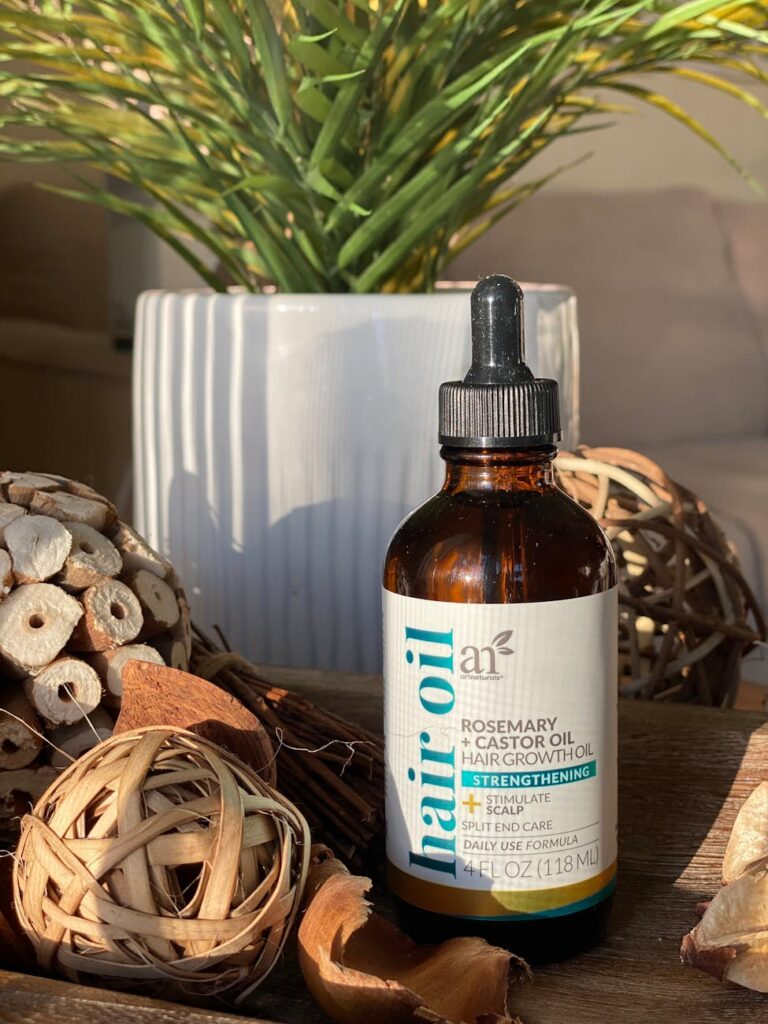
4. Promotes Hair Growth: Many people use castor oil in hair care routines, as it is believed to promote healthy hair growth and improve scalp health.
5. Laxative Effect: Traditionally, castor oil has been used as a natural laxative, although this should be approached with caution and not used without professional guidance.
Common Uses
Castor oil has a wide range of applications across different domains:
Cosmetics and Personal Care
- Skin Care: Often used in lotions, creams, and soaps, castor oil helps to moisturize and nourish the skin.
- Hair Care: It is found in shampoos and conditioners, where it is valued for its ability to nourish and strengthen hair.
- Makeup Remover: Due to its emollient properties, castor oil can effectively remove makeup while also conditioning the skin.
- Lubricants: Castor oil is used in the manufacture of industrial lubricants due to its high viscosity and stability.
- Biodiesel Production: Its chemical properties allow it to be converted into biodiesel, contributing to renewable energy efforts.
- Massage Oil: Castor oil is commonly used in massage for its soothing properties.
- Home Remedies: Some cultures use castor oil in various home remedies, including for skin ailments and digestive issues.
- Relaxation: Combine with lavender essential oil for a calming massage oil.
- Skin Nourishment: Blend with tea tree or frankincense oils to create a skin-care serum.
- Container: Store castor oil in a dark glass bottle to protect it from light, which can degrade its quality over time.
- Temperature: Keep it in a cool, dry place, away from direct sunlight and heat sources.
- Shelf Life: Unopened castor oil can last up to two years, while opened bottles are best used within six months to a year. Always check for any changes in color, odor, or consistency before use.
Industrial Applications
Traditional Uses
Aromatherapy Applications
In aromatherapy, castor oil serves as a carrier oil, meaning it can dilute essential oils used in various practices. Its thick consistency and moisturizing properties make it an excellent choice for blending with essential oils.
Blending with Essential Oils
When mixed with essential oils, castor oil can enhance the therapeutic benefits of the blend. For example:
Diffusion
While castor oil is not typically used in a diffuser due to its thickness, it can be incorporated into topical applications or roller blends that are applied to pulse points for aromatic benefits.
Safety Considerations
While castor oil is generally considered safe for external use, there are several important safety considerations to keep in mind:
1. Patch Test: Always conduct a patch test before using castor oil on the skin. Apply a small amount to a discreet area and wait 24 hours to check for any adverse reactions.
2. Pregnancy and Nursing: Pregnant or nursing individuals should consult a healthcare provider before using castor oil, especially in larger quantities.
3. Consumption: While castor oil has traditional uses as a laxative, it can be toxic in large amounts. Always consult with a healthcare professional before ingesting castor oil.
4. Allergic Reactions: Some individuals may be allergic to castor oil. Discontinue use if any irritation or allergic reaction occurs.
Storage and Shelf Life
To maintain the quality and effectiveness of castor oil, proper storage is essential:
Frequently Asked Questions
Is castor oil safe for all skin types?
While castor oil is generally safe for most skin types, those with sensitive or oily skin may want to conduct a patch test first, as it can be comedogenic for some individuals.
Can castor oil be used on the face?
Yes, castor oil can be used on the face, particularly as a moisturizer. However, it’s advisable to use it sparingly and in combination with other lighter oils to avoid clogging pores.
How should castor oil be applied for hair growth?
For hair growth, castor oil can be massaged directly into the scalp and hair. Leave it on for several hours or overnight before washing it out for optimal results.
Is castor oil the same as castor bean oil?
Yes, castor oil and castor bean oil refer to the same product derived from the seeds of the Ricinus communis plant.
Can castor oil help with acne?
Due to its anti-inflammatory and antimicrobial properties, castor oil may help manage acne for some individuals. However, its comedogenic nature means it may not be suitable for everyone, particularly those with oily or acne-prone skin.
Conclusion
Castor oil is a remarkable oil with a broad spectrum of applications, from personal care to industrial uses. Its unique composition offers numerous benefits, making it a valuable addition to various practices. While it is essential to be aware of safety considerations, castor oil remains a popular choice for those seeking natural solutions in their daily lives. Whether used in beauty routines, aromatherapy, or other applications, castor oil continues to be appreciated for its multifaceted properties.