
Complete Guide to Castor Oil Part 14
Introduction
Castor oil, derived from the seeds of the Ricinus communis plant, has been utilized for centuries across various cultures for its numerous applications, ranging from industrial uses to personal care products. This guide aims to provide a comprehensive overview of castor oil, exploring its origins, benefits, common uses, and safety considerations, while also delving into its applications in the realm of aromatherapy.
What Is Castor Oil?
Castor oil is a pale yellow liquid that is extracted from the seeds of the castor oil plant, native to Africa and the Middle East but now grown in many tropical and subtropical regions. The oil is primarily composed of ricinoleic acid, a fatty acid that accounts for approximately 90% of its content. This unique chemical composition gives castor oil its characteristic properties and versatility.
The extraction of castor oil is typically performed through cold-pressing, a process that retains the oil’s beneficial properties while minimizing exposure to heat. The resulting oil is thick and viscous, with a slightly nutty aroma.
Key Benefits and Properties
Castor oil is renowned for its wide range of benefits and properties. Some of its most notable characteristics include:
1. Moisturizing Agent: The high content of ricinoleic acid makes castor oil an excellent emollient, helping to hydrate and nourish the skin.
2. Anti-Inflammatory Properties: Castor oil has been shown to possess anti-inflammatory effects, which can help soothe irritated skin and reduce swelling.
3. Antimicrobial Activity: The oil exhibits antimicrobial properties, making it effective against certain bacteria and fungi, which can be beneficial in various applications.
4. Wound Healing: Due to its moisturizing and antimicrobial properties, castor oil is often used to promote wound healing and improve skin health.
5. Hair Conditioning: Castor oil is widely used as a natural hair conditioner, helping to enhance shine, promote hair growth, and reduce dandruff.
Common Uses
Castor oil has a variety of applications in both personal care and industrial sectors:
Personal Care
- Skin Care: Commonly found in lotions, creams, and soaps, castor oil helps maintain skin hydration and elasticity.
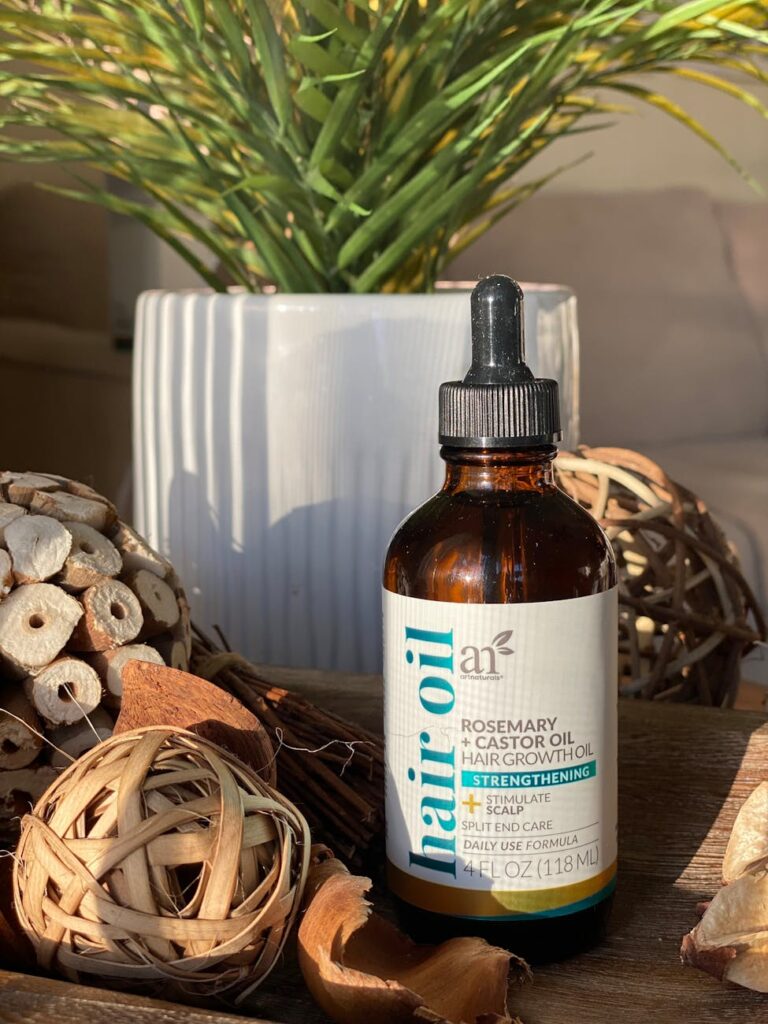
- Hair Care: Often used in hair oils and treatments, castor oil helps strengthen hair follicles and promote healthy hair growth.
- Makeup Remover: Its thick consistency makes castor oil effective for removing makeup, particularly waterproof formulations.
- Lubricants: Castor oil is used as a lubricant in various machinery and equipment due to its high viscosity and stability.
- Biodiesel Production: The oil is increasingly being utilized in the production of biodiesel as a renewable energy source.
- Cosmetics: Its emollient properties make castor oil a popular ingredient in cosmetics, including lip balms, lipsticks, and creams.
- Relaxation Blends: Combine castor oil with lavender or chamomile essential oil to create a soothing blend for relaxation.
- Energizing Blends: Mix castor oil with citrus essential oils, such as lemon or orange, for an uplifting and invigorating blend.
- Allergic Reactions: Some individuals may experience allergic reactions to castor oil. A patch test is recommended before applying the oil to larger areas of the skin.
- Internal Use: Castor oil should not be ingested without the guidance of a qualified health professional, as it can have strong laxative effects.
- Pregnancy and Nursing: Pregnant or nursing individuals should consult with a healthcare provider before using castor oil, particularly in large amounts or for internal purposes.
- Interactions: Castor oil may interact with certain medications. It is advisable to speak with a healthcare professional if you have concerns regarding potential interactions.
- Storage Conditions: Store castor oil in a cool, dark place, away from direct sunlight and heat sources. This helps prevent oxidation and degradation.
- Container: Use an airtight container to minimize exposure to air, which can also lead to rancidity.
- Shelf Life: When stored properly, castor oil can last for approximately one to two years. It’s important to check for any changes in smell, color, or consistency, which may indicate that the oil has gone bad.
Industrial Uses
Aromatherapy Applications
In the field of aromatherapy, castor oil is primarily used as a carrier oil. Carrier oils are used to dilute essential oils before topical application, ensuring safe and effective use. Here are some ways castor oil can be utilized in aromatherapy:
Blending with Essential Oils
Castor oil can be blended with various essential oils to create personalized aromatherapy treatments. For example:
Massage Oil
Due to its thick consistency, castor oil can be used as a base for massage oils. It can be blended with essential oils to create a therapeutic massage blend that nourishes the skin while providing relaxation and relief from tension.
Skin Care Formulations
In skincare formulations, castor oil can serve as a base for products aimed at addressing specific skin concerns. It can be combined with essential oils known for their skin benefits, such as tea tree oil for acne or frankincense for aging skin.
Safety Considerations
While castor oil is generally considered safe for topical use, there are important safety considerations to keep in mind:
Storage and Shelf Life
To maintain the quality and efficacy of castor oil, proper storage is essential:
Frequently Asked Questions
1. Can castor oil be used on all skin types?
Castor oil is generally safe for most skin types, but individuals with sensitive or oily skin should perform a patch test first to ensure there are no adverse reactions.
2. Is castor oil safe for hair?
Yes, castor oil is commonly used in hair care products and treatments. However, individuals should be cautious with the amount used, as its thick consistency may weigh down fine hair.
3. How can I incorporate castor oil into my skincare routine?
Castor oil can be applied directly to the skin or mixed with other carrier oils and essential oils to enhance its benefits. It can also be used in homemade face masks or as a moisturizer.
4. Is castor oil suitable for aromatherapy?
Yes, castor oil is frequently used as a carrier oil in aromatherapy, allowing for safe and effective application of essential oils.
5. What should I do if I experience irritation after using castor oil?
If irritation occurs, discontinue use immediately and wash the affected area with mild soap and water. If the irritation persists, consult a healthcare professional.
Conclusion
Castor oil is a versatile and beneficial oil with a rich history of use in both personal care and industrial applications. Its unique properties make it an excellent choice for a variety of purposes, including skincare, hair care, and aromatherapy. By understanding its benefits, uses, and safety considerations, individuals can make informed decisions about incorporating castor oil into their daily routines. As with any natural product, it is essential to approach its use mindfully and with consideration for personal sensitivities and conditions.