
Complete Guide to Castor Oil Part 15
Introduction
Castor oil, derived from the seeds of the Ricinus communis plant, has garnered significant attention for its multifaceted applications and benefits. This guide aims to provide a comprehensive overview of castor oil, exploring its properties, uses, and the role it plays in the world of aromatherapy.
What Is Castor Oil?
Castor oil is a pale yellow oil obtained from the seeds of the castor bean plant, native to Africa and the Middle East but now cultivated in various regions worldwide. The oil is extracted through a process of cold pressing, which ensures that its beneficial compounds are preserved. Rich in ricinoleic acid, a unique fatty acid, castor oil possesses distinct characteristics that contribute to its wide array of applications.
Key Benefits and Properties
Nutritional Profile
Castor oil is characterized by its high ricinoleic acid content, typically comprising 80-90% of the oil. This fatty acid is known for its anti-inflammatory and analgesic properties. Additionally, castor oil contains various other fatty acids, including oleic and linoleic acids, which contribute to its moisturizing and emollient qualities.
Moisturizing Properties
One of the most notable benefits of castor oil is its ability to hydrate and nourish the skin. The oil penetrates deeply into the skin, providing long-lasting moisture. Its emollient properties make it a popular choice in skincare formulations, where it can help alleviate dryness and improve skin texture.
Anti-inflammatory Effects
The anti-inflammatory properties of ricinoleic acid make castor oil beneficial for soothing irritated skin and reducing inflammation. This quality is particularly advantageous for individuals with conditions such as acne, eczema, or psoriasis.
Antimicrobial Activity
Research suggests that castor oil may possess antimicrobial properties, making it potentially useful in preventing infections. While it should not replace conventional treatments, its inclusion in formulations may offer additional protection.
Common Uses
Skin Care
Castor oil is widely used in various skincare products, including creams, lotions, and serums. Its moisturizing properties make it suitable for dry skin, while its anti-inflammatory effects can help address skin irritations.
Hair Care
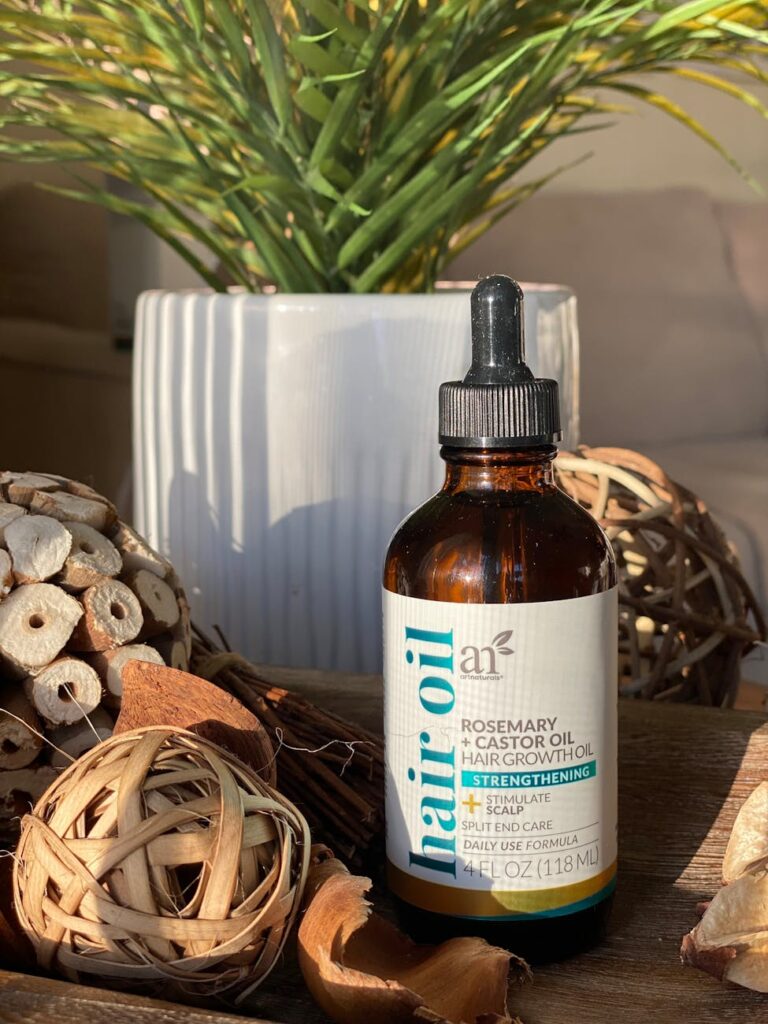
In hair care, castor oil is often used to promote hair growth and improve overall hair health. Many individuals incorporate it into hair masks or treatments to enhance shine and reduce split ends.
Laxative Use
Traditionally, castor oil has been used as a natural laxative due to its ability to stimulate bowel movements. However, it is essential to consult with healthcare professionals before using castor oil for this purpose.
Industrial Applications
Beyond personal care, castor oil finds applications in various industries, including cosmetics, pharmaceuticals, and manufacturing. Its versatility makes it a valuable resource for creating bio-based products.
Aromatherapy Applications
While castor oil is not typically classified as an essential oil, it plays a role in aromatherapy as a carrier oil. Its thick consistency and moisturizing properties make it an excellent choice for diluting essential oils before application.
Blending with Essential Oils
Castor oil can be blended with essential oils to create personalized formulations for massage or topical application. Its ability to penetrate the skin enhances the absorption of essential oils, allowing for a more effective aromatherapy experience.
Relaxation and Stress Relief
When used in massage, castor oil can promote relaxation and stress relief. The soothing sensation of the oil, combined with the therapeutic properties of essential oils, may help alleviate tension and enhance overall well-being.
Safety Considerations
While castor oil is generally considered safe for topical use, certain precautions should be observed:
Patch Testing
Before applying castor oil to larger areas of the skin, it is advisable to perform a patch test. This involves applying a small amount of oil to a discreet area and observing for any adverse reactions over 24 hours.
Allergic Reactions
Individuals with known allergies to castor beans or related plants should avoid using castor oil. Symptoms of an allergic reaction may include redness, itching, or swelling.
Internal Use
While castor oil has been historically used as a laxative, it is crucial to approach internal use with caution. Consult a healthcare professional before ingesting castor oil or using it for medicinal purposes.
Storage and Shelf Life
Proper Storage Conditions
To maintain the quality of castor oil, it should be stored in a cool, dark place away from direct sunlight. Exposure to light and heat may cause the oil to degrade, affecting its beneficial properties.
Shelf Life
Castor oil has a relatively long shelf life, typically ranging from one to two years when stored properly. It is advisable to check for any changes in odor, color, or consistency before use, as these may indicate spoilage.
Frequently Asked Questions
Can castor oil be used on all skin types?
Yes, castor oil is generally safe for all skin types, but individuals with oily or acne-prone skin may want to use it sparingly due to its heavier texture.
Is castor oil safe for hair?
Yes, castor oil is commonly used in hair care to promote shine and growth. However, it is advisable to use it in moderation to avoid weighing down the hair.
Can castor oil be ingested?
While castor oil has been traditionally used as a laxative, ingesting it should be done with caution and under the guidance of a healthcare professional.
How can I incorporate castor oil into my skincare routine?
Castor oil can be used as a moisturizer, added to homemade skincare formulations, or mixed with essential oils for enhanced benefits.
Can castor oil help with acne?
Castor oil’s anti-inflammatory and moisturizing properties may make it beneficial for individuals with acne. However, it is essential to monitor your skin’s response and consult a dermatologist if needed.
Conclusion
Castor oil is a versatile and valuable oil with a myriad of applications across personal care, industrial use, and aromatherapy. Its unique properties, including moisturizing, anti-inflammatory, and antimicrobial effects, make it a staple in many households. As with any natural product, it is essential to use castor oil mindfully, observing safety considerations and individual sensitivities. With proper storage and application, castor oil can be a beneficial addition to your wellness routine.