
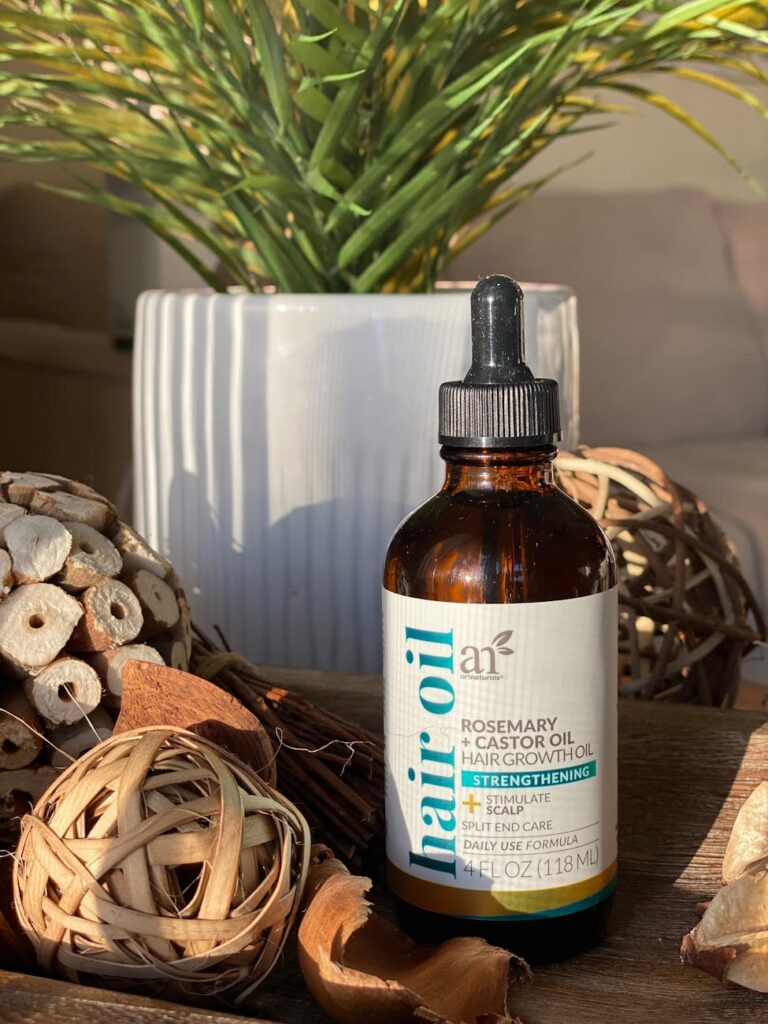
Complete Guide to Castor Oil Part 16
Introduction
Castor oil, derived from the seeds of the Ricinus communis plant, has been utilized for centuries across various cultures for its versatile properties and applications. This guide delves into the characteristics, benefits, and uses of castor oil, particularly in the context of aromatherapy. Understanding the nuances of castor oil can enhance its application in both personal care and holistic practices.
What Is Castor Oil?
Castor oil is a pale yellow, viscous liquid extracted from the seeds of the castor bean plant, native to Africa and the Middle East. The extraction process typically involves cold pressing, which preserves the oil’s natural properties. It is rich in ricinoleic acid, a unique fatty acid that contributes to many of its beneficial characteristics. Unlike many other oils, castor oil is unique in its high viscosity and ability to mix with other oils, making it a popular choice in various formulations.
Key Benefits and Properties
Castor oil possesses several notable properties that make it beneficial for a wide range of applications:
1. Moisturizing Agent
The fatty acids in castor oil are excellent at providing hydration, making it a popular ingredient in skincare products. Its emollient properties help to soften and soothe the skin, making it suitable for dry or irritated skin.
2. Antimicrobial Properties
Research has shown that castor oil may possess antimicrobial properties, which can help protect the skin from certain pathogens. This attribute makes it valuable in formulations aimed at enhancing skin health.
3. Anti-inflammatory Effects
Castor oil has been noted for its potential anti-inflammatory effects, providing relief from discomfort when used topically. This can be particularly beneficial for conditions characterized by inflammation or irritation.
4. Hair Care Benefits
Due to its high ricinoleic acid content, castor oil is often used in hair care products. It may help improve scalp health, promote hair growth, and add shine and moisture to hair.
Common Uses
Castor oil is utilized in various domains, including:
1. Personal Care Products
- Skin Care: Often found in lotions, creams, and balms, castor oil is a common ingredient for its moisturizing properties.
- Hair Care: Frequently used in shampoos, conditioners, and hair masks to promote scalp health and moisturize hair.
- Lip Care: Its thick consistency makes it an excellent choice for lip balms and glosses.
- Cleaning Agent: Castor oil can be employed as a natural cleaning agent, often mixed with other oils or vinegar for household cleaning solutions.
- Furniture Polish: Its lubricating properties make it suitable for use in homemade furniture polish.
- Soap Making: Castor oil is a popular ingredient in handmade soaps, contributing to a rich lather and moisturizing properties.
- Lubricants: Its viscosity makes it useful in various industrial applications as a lubricant.
- Mixing with Essential Oils: When blended with essential oils like lavender, eucalyptus, or tea tree, castor oil can help facilitate the absorption of these oils into the skin.
- Massage Oil: Castor oil can be used as a base for massage oils, delivering a calming experience while providing the skin with moisture.
- Skin Treatments: When combined with essential oils that have skin benefits, castor oil can create a nourishing blend for topical applications.
- Storage Conditions: Store castor oil in a cool, dark place, away from direct sunlight or heat sources. A tightly sealed container will help prevent oxidation and degradation.
- Shelf Life: When stored properly, castor oil can last for about 1-2 years. However, it is advisable to check for any changes in smell, color, or consistency before use, as these can indicate spoilage.
2. Household Uses
3. Craft and Industrial Uses
Aromatherapy Applications
While castor oil is not used as an essential oil in traditional aromatherapy, it can serve as a carrier oil for diluting essential oils. This allows for safe application on the skin, enhancing the benefits of the essential oils when used in conjunction.
Using Castor Oil in Aromatherapy:
Safety Considerations
While castor oil is generally considered safe for topical use, several considerations should be noted:
1. Skin Sensitivity
Before using castor oil, it is advisable to perform a patch test to check for any allergic reactions or sensitivities. Apply a small amount to a discreet area of skin and wait 24 hours for any adverse reactions.
2. Internal Use
Although castor oil has historical applications as a laxative, it is crucial to avoid internal use without professional consultation. Its effects on the digestive system can be potent and should not be taken lightly.
3. Pregnancy and Nursing
Pregnant or nursing individuals should consult with a healthcare professional before using castor oil, especially in significant amounts or internal applications.
4. Interactions with Medications
Castor oil may interact with certain medications, particularly those affecting the digestive system. It is essential to consult with a healthcare provider if you are on medication before using castor oil.
Storage and Shelf Life
To maintain the integrity of castor oil, proper storage is essential:
Frequently Asked Questions
1. Can castor oil be used on all skin types?
Yes, castor oil is generally safe for most skin types. However, individuals with sensitive skin should perform a patch test before widespread application.
2. Is castor oil safe for hair?
Yes, castor oil is commonly used for hair care and can promote moisture and shine. However, it is advisable to use it sparingly due to its thick consistency.
3. Can castor oil be used for acne?
While castor oil has antimicrobial properties, its thick texture may not be suitable for everyone. Those prone to acne should use it with caution and consider consulting a skincare professional.
4. How do I incorporate castor oil into my skincare routine?
Castor oil can be mixed with other oils or used alone as a moisturizer. It can be applied directly to dry areas or mixed into lotions and creams for enhanced benefits.
5. Can castor oil be used in cooking?
Castor oil is not recommended for culinary use due to its potential toxicity in large quantities. Always consult food safety guidelines when considering oils for consumption.
Conclusion
Castor oil serves as a versatile and beneficial oil, offering numerous applications in personal care, aromatherapy, and beyond. Understanding its properties, uses, and safety considerations can enhance your experience and effectiveness when incorporating it into your routines. Always prioritize quality and storage to ensure the best results from this remarkable oil.