
Complete Guide to Catnip Extract
Introduction
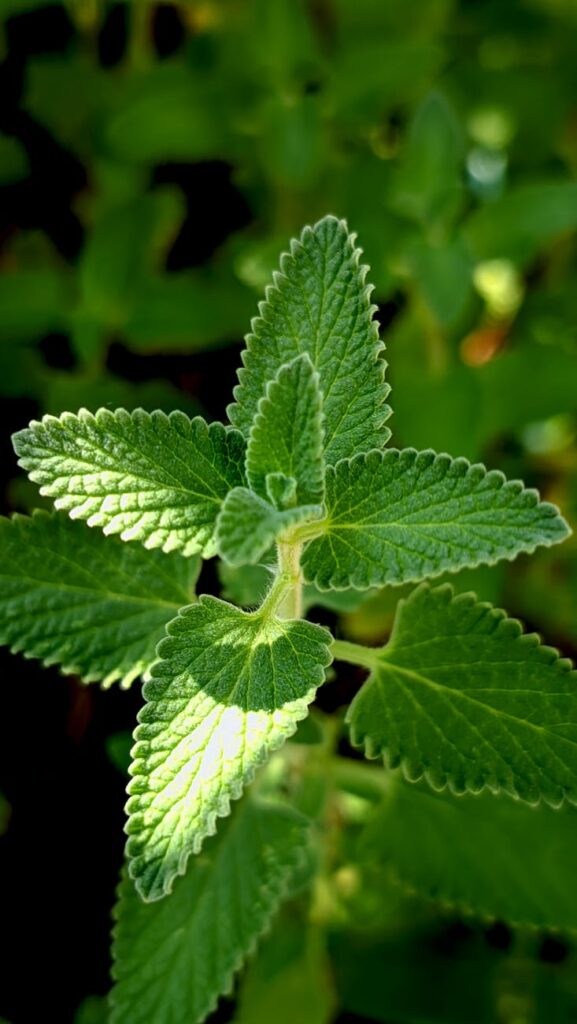
Catnip, scientifically known as Nepeta cataria, is a perennial herb of the mint family, renowned for its unique effects on domestic cats. However, its benefits extend beyond feline interactions. Catnip extract, derived from the leaves and flowers of the plant, contains various compounds that have captured the interest of herbalists, aromatherapists, and enthusiasts alike. This guide aims to provide a comprehensive understanding of catnip extract, including its benefits, uses, and safety considerations.
What Is Catnip Extract?
Catnip extract is obtained from the leaves, stems, and flowers of the catnip plant through various extraction methods, such as steam distillation, solvent extraction, or cold pressing. The primary active compound in catnip is nepetalactone, which is responsible for its characteristic effects on cats. However, the extract also contains other beneficial compounds, including flavonoids, tannins, and essential oils, which contribute to its diverse applications.
Key Benefits and Properties
Catnip extract is recognized for its range of beneficial properties:
1. Calming Effects: Catnip is traditionally used for its calming effects on both humans and pets. It may help alleviate stress and anxiety, promoting relaxation.
2. Antimicrobial Properties: Some studies suggest that catnip exhibits mild antimicrobial effects, which can be beneficial in creating a clean environment.
3. Digestive Aid: Historically, catnip has been used as a digestive aid. It may help soothe digestive discomfort and promote healthy digestion.
4. Insect Repellent: Catnip contains compounds that have shown potential as natural insect repellents, particularly against mosquitoes and other pests.
5. Mood Enhancer: The aroma of catnip extract may uplift mood and create a sense of well-being, making it a popular choice in aromatherapy.
6. Sleep Aid: Its calming properties may also promote better sleep, making catnip extract an appealing option for those seeking restful nights.
Common Uses
Catnip extract is utilized in various forms and applications, including:
1. Essential Oils: The extract can be found in essential oil form, which is often used in diffusers or diluted for topical applications.
2. Herbal Teas: Dried catnip leaves are often brewed into herbal teas, offering a mild sedative effect that may aid in relaxation.
3. Natural Remedies: Some proponents use catnip extract in homemade remedies for digestive issues or as a calming tonic.
4. Aromatherapy Blends: Catnip extract is frequently blended with other essential oils to create synergistic effects in aromatherapy.
5. Pet Products: Catnip extract is commonly used in pet toys and sprays to stimulate feline playfulness and reduce anxiety.
Aromatherapy Applications
In the field of aromatherapy, catnip extract is prized for its unique scent and therapeutic properties. Here are some common applications:
1. Diffusion: Catnip essential oil can be added to a diffuser to fill a space with its calming aroma. This can create a serene environment conducive to relaxation.
2. Massage Oils: When diluted with a carrier oil, catnip extract can be used in massage oils to promote relaxation and relieve tension.
3. Bath Additives: Adding catnip extract to bathwater can enhance the soothing experience, helping to alleviate stress and promote relaxation.
4. Sleep Aids: Incorporating catnip extract into bedtime routines, whether in a diffuser or as part of a calming spray, may enhance sleep quality.
5. Mood-Boosting Blends: Catnip can be blended with other essential oils, such as lavender or chamomile, to create uplifting and calming blends.
Safety Considerations
While catnip extract is generally considered safe for most individuals, it is essential to keep the following considerations in mind:
1. Possible Allergies: Some individuals may have allergies or sensitivities to catnip. Conduct a patch test before using it topically.
2. Pregnancy and Nursing: Pregnant or breastfeeding individuals should consult a healthcare provider before using catnip extract.
3. Interaction with Medications: Catnip may interact with certain medications, particularly those affecting the central nervous system. It is advisable to consult a healthcare professional if you are on medication.
4. Dosage: Moderation is key. Excessive use of catnip extract, particularly in concentrated forms, may lead to adverse effects such as nausea or digestive upset.
5. Pets: While catnip is safe for cats, it should be used in moderation. Overexposure can lead to overstimulation or gastrointestinal upset.
Storage and Shelf Life
To maintain the quality of catnip extract, proper storage is essential:
1. Storage Conditions: Store catnip extract in a cool, dark place away from direct sunlight and heat sources. Essential oils should be kept in tightly sealed bottles to prevent oxidation.
2. Shelf Life: When stored properly, catnip extract can last for about 1-2 years. Essential oils may have a shorter shelf life due to their volatile nature.
3. Signs of Spoilage: If the extract has changed in color, consistency, or odor, it may be time to replace it.
Frequently Asked Questions
1. Can catnip extract be used on pets?
Yes, catnip extract can be beneficial for pets, particularly cats. It can be used in toys or sprays to stimulate playfulness. However, always use it in moderation and observe your pet’s reaction.
2. Is catnip extract safe for children?
While catnip is generally considered safe, it is advisable to consult a healthcare provider before using it around children, especially in concentrated forms.
3. How do I use catnip extract for stress relief?
Catnip extract can be diffused in the air or added to a bath. For topical use, dilute it with a carrier oil and apply it to pulse points.
4. What should I do if I experience an allergic reaction to catnip extract?
If you suspect an allergic reaction, discontinue use and consult a healthcare professional for advice.
5. Is catnip extract the same as catnip tea?
No, catnip extract is a concentrated form derived from the plant, while catnip tea is made by steeping the dried leaves in hot water. They may have different concentrations of active compounds.
Conclusion
Catnip extract is a versatile herbal product with a rich history and numerous applications. From promoting relaxation to enhancing aromatherapy experiences, its benefits extend beyond its well-known effects on cats. As with any herbal product, it is essential to use catnip extract responsibly and be aware of safety considerations. Whether you are exploring its potential for personal wellness or looking to enrich your pet’s life, catnip extract offers a fascinating glimpse into the world of botanical remedies.