
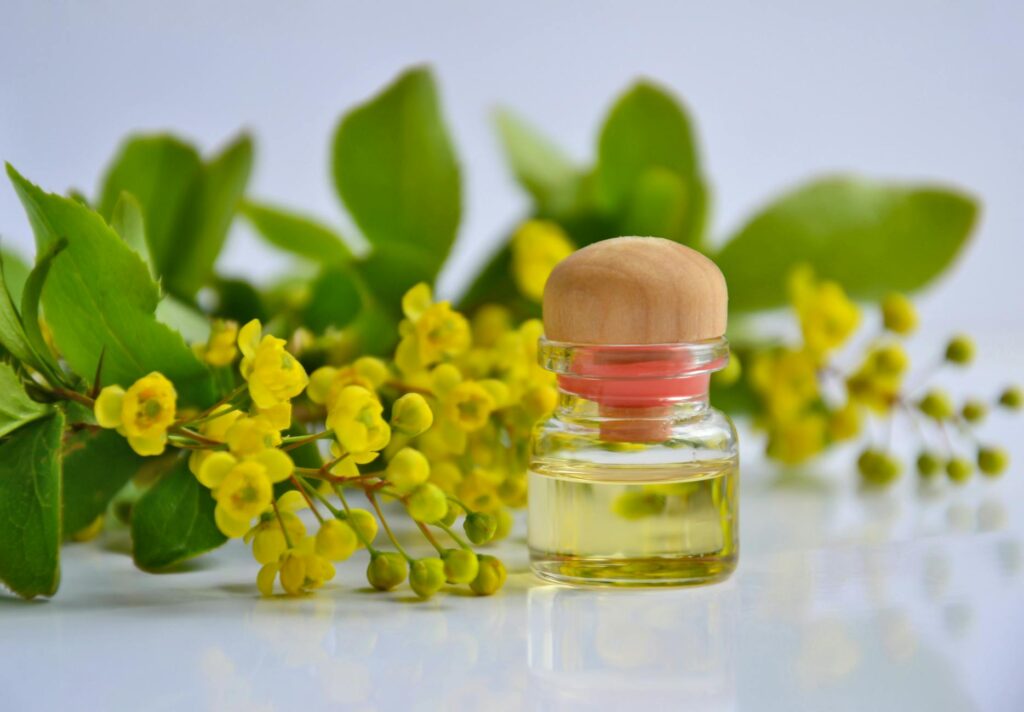
Complete Guide to Cedarwood Hydrosols
Introduction
Cedarwood hydrosol, derived from the steam distillation of cedarwood, is a fragrant and versatile byproduct that has gained popularity in both aromatherapy and holistic wellness practices. It captures the essence of cedarwood’s rich, woody aroma while retaining a milder scent and a range of beneficial properties. This guide aims to provide a comprehensive overview of cedarwood hydrosols, exploring their benefits, uses, and considerations for safe handling.
What Is Cedarwood Hydrosols?
Cedarwood hydrosol is a water-based distillation product obtained during the extraction of essential oil from cedarwood trees, which include species such as Cedrus atlantica (Atlas cedar), Cedrus libani (Lebanon cedar), and Juniperus virginiana (Eastern red cedar). While the essential oil is concentrated and potent, hydrosols are gentler, containing water-soluble components of the plant. This makes cedarwood hydrosol suitable for a variety of applications, particularly for those seeking a more subtle approach to aromatherapy.
Key Benefits and Properties
Cedarwood hydrosol is praised for a number of beneficial properties:
1. Calming and Grounding: The soothing aroma of cedarwood is known to promote relaxation and mental clarity, making it a popular choice in stress relief practices.
2. Antiseptic Properties: Cedarwood exhibits mild antiseptic qualities, which can aid in cleansing and purifying the skin.
3. Astringent Qualities: The hydrosol has astringent properties, making it beneficial for oily or acne-prone skin.
4. Insect Repellent: Cedarwood has natural insect-repelling properties, which can be useful in various settings.
5. Mood Enhancement: The scent is often associated with feelings of warmth and comfort, potentially enhancing mood and emotional well-being.
6. Respiratory Support: The aroma is believed to support respiratory health, promoting easier breathing and clearer airways.
Common Uses
Cedarwood hydrosol can be utilized in various ways:
1. Facial Toner: Due to its astringent properties, it can serve as an effective toner for oily or combination skin. It helps to balance the skin’s oil production while providing hydration.
2. Body Mist: Cedarwood hydrosol can be used as a refreshing body spray, particularly in warmer months or during physical activity.
3. Room Spray: Its pleasant aroma makes it an excellent choice for natural room fragrances, helping to create a calming environment.
4. Hair Care: Cedarwood hydrosol can be added to hair care products or used as a hair mist to promote a healthy scalp.
5. Bath Additive: Adding cedarwood hydrosol to bathwater can create a soothing and aromatic bathing experience.
6. Insect Repellent: Spraying cedarwood hydrosol around the home or on clothing can help deter insects.
Aromatherapy Applications
In aromatherapy, cedarwood hydrosol is often used to enhance emotional and mental well-being. Here are some applications:
1. Diffusion: Use a diffuser to disperse cedarwood hydrosol into the air, creating a calming atmosphere. This is particularly beneficial in spaces designated for relaxation, meditation, or sleep.
2. Inhalation: For a quick mood boost, a few sprays of cedarwood hydrosol can be inhaled directly or sprayed onto a tissue.
3. Massage: Diluting cedarwood hydrosol with a carrier oil may enhance its calming effects during massage therapy.
4. Meditation: Incorporating cedarwood hydrosol during meditation can help establish a serene environment, allowing for deeper focus and tranquility.
5. Yoga: Spraying the mat or surrounding area can create a grounding experience, fostering a sense of peace throughout the practice.
Safety Considerations
While cedarwood hydrosol is generally regarded as safe for most people, it is essential to keep several considerations in mind:
1. Sensitivity Testing: Prior to widespread use, perform a patch test to check for any skin sensitivity or allergic reactions.
2. Avoiding Eye Contact: As with any hydrosol or essential oil, avoid contact with the eyes. If contact occurs, rinse thoroughly with water.
3. Pregnancy and Nursing: Although cedarwood hydrosol is considered safe, it is always advisable for pregnant or nursing individuals to consult with a healthcare professional before use.
4. Children and Pets: While hydrosols are milder than essential oils, use caution when applying cedarwood hydrosol around children and pets. Always dilute appropriately and consult guidelines for specific age groups.
5. Storage: Ensure hydrosols are stored in a cool, dark place to maintain their effectiveness and prevent degradation.
Storage and Shelf Life
Proper storage is crucial for maintaining the quality of cedarwood hydrosol. Here are some guidelines:
1. Containers: Store hydrosol in dark glass containers to protect it from light exposure, which can lead to oxidation.
2. Temperature: Keep the hydrosol in a cool environment, ideally below room temperature, to prolong its shelf life.
3. Shelf Life: Generally, cedarwood hydrosol can last anywhere from 1 to 3 years when stored correctly. However, it is advisable to check for any changes in color, scent, or clarity before use.
4. Refrigeration: For extended shelf life, consider refrigerating the hydrosol, especially if it has been opened.
Frequently Asked Questions
What is the difference between cedarwood essential oil and cedarwood hydrosol?
Cedarwood essential oil is a concentrated extract containing volatile compounds, while cedarwood hydrosol is a diluted byproduct of the steam distillation process. Hydrosols contain water-soluble components of the plant and are gentler in scent and effect.
Can cedarwood hydrosol be used on sensitive skin?
Cedarwood hydrosol is generally safe for sensitive skin, but a patch test is recommended to ensure there are no adverse reactions.
How do I use cedarwood hydrosol in skincare?
Cedarwood hydrosol can be used as a facial toner, added to creams and lotions, or used in a DIY face mask.
Is cedarwood hydrosol safe for children?
While cedarwood hydrosol is milder than essential oils, always consult guidelines and consider dilution when using it around children.
Can cedarwood hydrosol be mixed with other hydrosols?
Yes, cedarwood hydrosol can be blended with other hydrosols for enhanced benefits and unique aromatic profiles. Common pairings include rose, lavender, and chamomile.
Conclusion
Cedarwood hydrosol serves as a versatile and beneficial addition to the realm of natural wellness and aromatherapy. Its calming properties, combined with practical uses in skincare, home care, and emotional support, make it a valuable resource. By understanding its benefits, applications, and safety considerations, individuals can harness the power of cedarwood hydrosol to enhance their holistic practices and daily lives.