
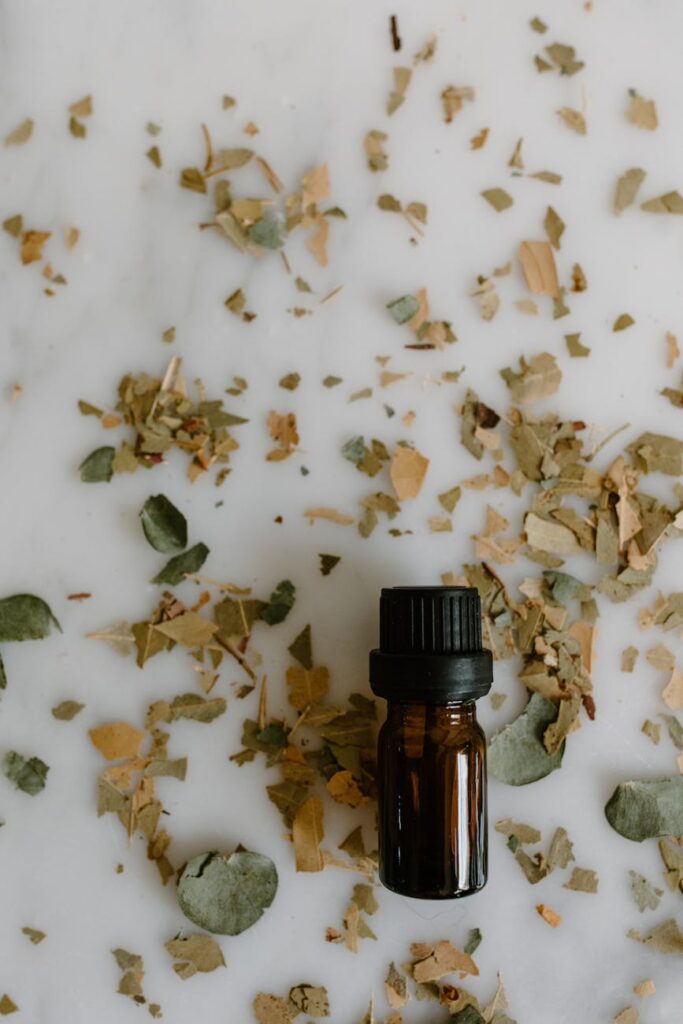
Complete Guide to Cedarwood Oil Part 1
Introduction
Cedarwood oil has been a cherished essential oil for centuries, widely used for its aromatic properties and various applications. Extracted from the wood of cedar trees, this oil is celebrated for its warm, woody scent and is commonly utilized in aromatherapy, cosmetics, and natural cleaning products. This guide will explore the various aspects of cedarwood oil, including its definition, benefits, applications, and safety considerations.
What Is Cedarwood Oil?
Cedarwood oil is an essential oil derived from the wood of cedar trees, primarily from the species Cedrus atlantica (Atlas cedar), Cedrus deodara (Himalayan cedar), and Juniperus virginiana (Eastern red cedar). The oil is obtained through steam distillation of the wood chips or sawdust. The resulting oil has a characteristic earthy and woody aroma that is both grounding and calming.
Cedarwood oil has a long history of use in various cultures, often associated with sacred rituals and spiritual practices. It was commonly used in ancient Egypt for embalming and in temples for its purifying qualities. Today, cedarwood oil continues to be a popular choice in holistic wellness and natural fragrance applications.
Key Benefits and Properties
Cedarwood oil is renowned for its numerous benefits and properties, which include:
1. Aromatherapy Benefits
- Calming Effects: The warm, woody scent of cedarwood oil is believed to promote relaxation, reduce stress, and foster a sense of tranquility.
- Grounding Properties: It is often used as a grounding oil in meditation practices, helping individuals connect with their inner selves.
- Cedarwood oil possesses natural antimicrobial properties, making it a valuable ingredient in natural cleaning products and personal care items.
- The oil is known for its effectiveness in repelling insects, particularly moths and mosquitoes. It is often used in natural pest control solutions.
- Cedarwood oil is considered beneficial for skin conditions such as acne and eczema due to its anti-inflammatory and soothing properties.
- The oil is frequently included in hair care products, as it is believed to promote hair growth and alleviate dry scalp conditions.
- Used in diffusers, cedarwood oil can create a calming atmosphere in homes, offices, or yoga studios.
- Commonly found in lotions, shampoos, and soaps, cedarwood oil adds fragrance while providing potential skin benefits.
- Due to its antimicrobial properties, cedarwood oil is included in natural cleaning solutions and disinfectants.
- Cedarwood oil is often used in natural insect repellent formulations to deter pests both indoors and outdoors.
- Cedarwood oil is sometimes used in the production of cedar wood products, such as furniture and closets, to enhance their natural scent and repel insects.
- Adding a few drops of cedarwood oil to a diffuser can help create a serene environment, enhancing relaxation during meditation or yoga sessions.
- When diluted with a carrier oil, cedarwood oil can be applied to pulse points, such as wrists and behind the ears, to benefit from its calming aroma throughout the day.
- Adding cedarwood oil to a warm bath can enhance relaxation and provide a soothing experience for both the mind and body.
- Cedarwood oil can be blended with carrier oils for use in massages, promoting relaxation and easing muscle tension.
- Placing a few drops of cedarwood oil on a cotton ball and placing it beneath your pillow can help promote restful sleep.
- Cedarwood oil should always be diluted in a carrier oil before topical application to avoid skin irritation or sensitization.
- As with any essential oil, individuals should conduct a patch test before using cedarwood oil to check for allergic reactions or sensitivities.
- Pregnant or nursing individuals should consult with a healthcare professional before using cedarwood oil.
- Cedarwood oil may not be suitable for young children. Always consult with a healthcare provider before use on children.
- Cedarwood oil should not be ingested unless under the guidance of a qualified healthcare professional.
- Cedarwood oil should be stored in a cool, dark place, away from direct sunlight and heat sources. This helps prevent degradation of the oil.
- It is best to keep cedarwood oil in a dark glass bottle to protect it from light exposure. Ensure that the bottle is tightly sealed when not in use.
- When stored correctly, cedarwood oil typically has a shelf life of 3 to 5 years. However, it is advisable to check for signs of spoilage, such as changes in color, consistency, or scent.
2. Antimicrobial Properties
3. Insect Repellent
4. Skin Health
5. Hair Care
Common Uses
Cedarwood oil has a wide range of applications across various fields, including:
1. Aromatherapy
2. Cosmetics and Personal Care
3. Household Cleaning Products
4. Insect Repellent Products
5. Wood Products
Aromatherapy Applications
In aromatherapy, cedarwood oil is utilized for its calming and grounding effects. Here are some common ways to incorporate cedarwood oil into your aromatherapy practice:
1. Diffusion
2. Topical Application
3. Bathing
4. Massage
5. Sleep Aids
Safety Considerations
While cedarwood oil is generally considered safe for most individuals when used appropriately, there are some safety considerations to keep in mind:
1. Dilution
2. Allergic Reactions
3. Pregnancy and Nursing
4. Children
5. Avoiding Ingestion
Storage and Shelf Life
Proper storage of cedarwood oil is essential to maintain its quality and efficacy. Here are some guidelines:
1. Storage Conditions
2. Container
3. Shelf Life
Frequently Asked Questions
1. What does cedarwood oil smell like?
Cedarwood oil has a warm, woody, and slightly sweet aroma that is often described as grounding and calming.
2. Can cedarwood oil be used for anxiety?
While many people use cedarwood oil in aromatherapy to promote relaxation and reduce stress, it is important to note that individual responses may vary.
3. Is cedarwood oil safe for pets?
Cedarwood oil can be toxic to some pets, particularly cats. It is advisable to consult with a veterinarian before using cedarwood oil around animals.
4. How can I use cedarwood oil in my skincare routine?
Cedarwood oil can be added to skincare products when properly diluted with a carrier oil. It is often used for its soothing properties on the skin.
5. What are the differences between different types of cedarwood oil?
Different species of cedar trees produce oils with varying chemical compositions and aromas. Atlas cedarwood oil is often more common in aromatherapy, while Eastern red cedar oil may be favored for its insect-repelling properties.
In this first part of our complete guide to cedarwood oil, we have explored its definition, benefits, common uses, and safety considerations. In the upcoming part, we will delve deeper into the chemical composition, sourcing, and cultural significance of cedarwood oil, offering a more comprehensive understanding of this remarkable essential oil.