
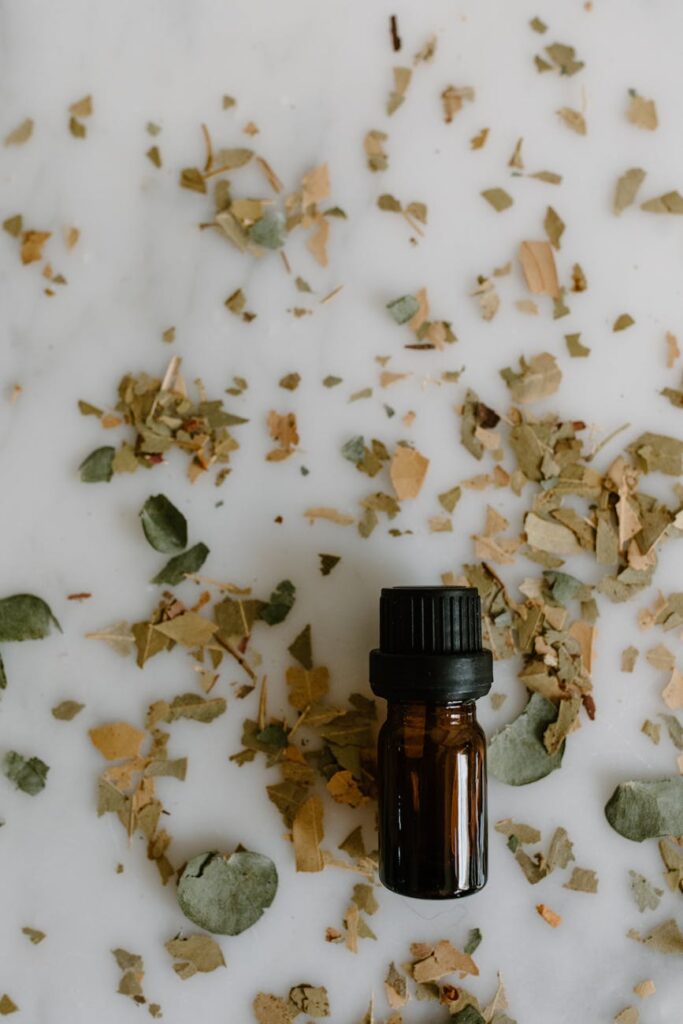
Complete Guide to Cedarwood Oil Part 2
Introduction
Cedarwood oil, derived from the wood of cedar trees, has been cherished for centuries for its aromatic properties and potential benefits. In this second part of our comprehensive guide, we will explore the characteristics of cedarwood oil, its various applications, safety considerations, and more. This article aims to provide an educational overview for those interested in the use of essential oils and aromatherapy.
What Is Cedarwood Oil?
Cedarwood oil is an essential oil extracted from the wood of cedar trees, primarily the species Cedrus atlantica, Cedrus deodara, and Juniperus virginiana. The extraction process typically involves steam distillation, which captures the oil’s aromatic and therapeutic properties. The resulting oil has a warm, woody scent, often described as grounding and calming.
Cedarwood trees are found in various regions around the world, including the Mediterranean, Himalayas, and North America. Each species of cedarwood may exhibit variations in aroma and chemical composition, influencing its use in aromatherapy and other applications.
Key Benefits and Properties
Cedarwood oil is known for a range of properties that contribute to its appeal in aromatherapy and holistic practices. Some of the key characteristics include:
- Antiseptic Properties: Cedarwood oil has been noted for its potential to help cleanse and purify the skin, making it a popular ingredient in skincare products.
- Anti-inflammatory Effects: The oil may possess anti-inflammatory properties, which can contribute to its use in soothing various skin irritations.
- Relaxation and Stress Relief: Its calming aroma is often associated with relaxation, making it a common choice for reducing stress and anxiety.
- Insect Repellent: Cedarwood oil is known for its ability to repel insects, making it a natural option for pest control.
- Mood Enhancement: The oil’s grounding scent may help improve mood and promote emotional balance.
- Aromatherapy Diffusion: Adding cedarwood oil to a diffuser can create a calming atmosphere, ideal for relaxation or meditation.
- Skincare Products: Due to its antiseptic and soothing properties, cedarwood oil is often included in lotions, creams, and other skincare formulations.
- Hair Care: Cedarwood oil may be added to shampoos and conditioners for its potential ability to promote healthy hair and scalp.
- Natural Insect Repellent: The oil can be diluted with a carrier oil and applied to the skin to deter insects.
- Household Cleaners: Cedarwood oil can be incorporated into homemade cleaners for its antibacterial properties and pleasant scent.
- Stress Relief: Inhaling cedarwood oil can help foster a sense of calm and tranquility, making it beneficial during stressful times.
- Sleep Support: The oil’s grounding properties may assist in promoting restful sleep when diffused in the bedroom or added to a bedtime routine.
- Meditation and Mindfulness: Cedarwood oil’s earthy aroma is often used to enhance meditation practices, helping individuals to focus and center their minds.
- Emotional Balance: The oil may help alleviate feelings of anxiety and promote emotional stability, making it a valuable tool in emotional wellness.
- Skin Sensitivity: Cedarwood oil may cause skin irritation in some individuals. It is advisable to perform a patch test before applying it to larger areas of skin. Diluting the oil with a carrier oil is recommended for topical applications.
- Pregnancy and Nursing: Pregnant or nursing individuals should consult with a qualified healthcare provider before using cedarwood oil.
- Children: Cedarwood oil should be used with caution around children. Always consult a healthcare professional for guidance on appropriate usage for young ones.
- Allergic Reactions: As with any essential oil, there is a risk of allergic reactions. Discontinue use if any irritation occurs and seek medical advice if necessary.
- Storage Conditions: Cedarwood oil should be stored in a cool, dark place away from direct sunlight and heat. This helps prevent degradation of the oil over time.
- Container Type: It is advisable to store cedarwood oil in an amber or cobalt blue glass bottle to protect it from UV light, which can affect the oil’s properties.
- Shelf Life: When stored correctly, cedarwood oil can have a shelf life of 2 to 3 years. However, it is essential to regularly check for any changes in aroma or consistency, which may indicate that the oil has degraded.
Common Uses
Cedarwood oil can be utilized in various ways, both in personal care and household applications. Some common uses include:
Aromatherapy Applications
Cedarwood oil is widely used in aromatherapy, where its calming effects are harnessed to enhance emotional and psychological well-being. Some specific applications include:
Safety Considerations
While cedarwood oil is generally considered safe for use, there are important safety considerations to keep in mind:
Storage and Shelf Life
Proper storage of cedarwood oil is essential for maintaining its quality and potency. Consider the following guidelines:
Frequently Asked Questions
1. Can cedarwood oil be ingested?
Cedarwood oil is not typically recommended for ingestion. It is primarily used for topical and aromatic applications. Always consult with a healthcare professional before considering internal use of any essential oil.
2. Is cedarwood oil safe for pets?
Essential oils, including cedarwood oil, can be toxic to pets. If you are considering using cedarwood oil in a household with animals, consult a veterinarian for guidance.
3. How can I use cedarwood oil in a diffuser?
To use cedarwood oil in a diffuser, add a few drops of the oil to the water reservoir, following the manufacturer’s instructions. Cedarwood oil can be blended with other complementary oils, such as lavender or bergamot, for enhanced aromatic experiences.
4. Is cedarwood oil suitable for all skin types?
Cedarwood oil may not be suitable for all skin types. It is advisable to conduct a patch test before applying it to larger areas of skin, especially for those with sensitive skin.
5. Can cedarwood oil help with sleep issues?
Many people find cedarwood oil beneficial for promoting relaxation and improving sleep quality. Diffusing the oil in the bedroom or adding it to a bedtime routine may enhance the sleep environment.
Conclusion
Cedarwood oil is a versatile and valuable essential oil with a long history of use in aromatherapy and holistic practices. Understanding its properties, benefits, and safe usage can enhance your experience with this aromatic oil. Whether you are looking to create a calming atmosphere, improve your skincare routine, or explore its potential as a natural insect repellent, cedarwood oil offers a rich array of applications. Always prioritize safety and consult with professionals as needed to make the most of this remarkable essential oil.