
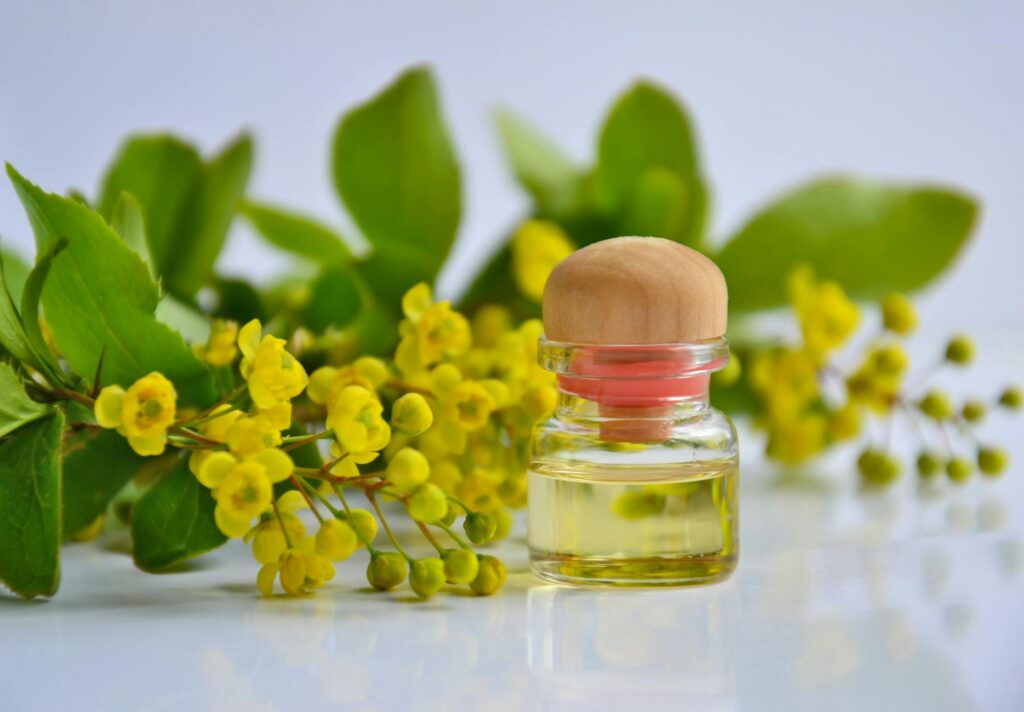
Complete Guide to Cedarwood Oil Part 4
Introduction
Cedarwood oil, derived from the wood of cedar trees, has been revered for centuries across various cultures for its aromatic qualities and potential benefits. This article serves as a comprehensive guide to cedarwood oil, exploring its properties, uses, applications in aromatherapy, safety considerations, and more. Whether you are a seasoned essential oil enthusiast or new to the world of aromatherapy, understanding cedarwood oil can enhance your knowledge and practice.
What Is Cedarwood Oil?
Cedarwood oil is an essential oil extracted from the wood of various species of cedar trees, primarily from the genus Cedrus, including Cedrus atlantica (Atlas cedar), Cedrus deodara (Himalayan cedar), and Cedrus libani (Lebanon cedar). The oil is obtained through steam distillation of the wood, resulting in a thick, yellowish to amber liquid with a warm, woody scent.
The rich aroma of cedarwood oil is not only pleasing but has also made it a popular choice in perfumery and cosmetic products. Its grounding scent is often associated with feelings of calm and relaxation, making it a staple in aromatherapy practices.
Key Benefits and Properties
Cedarwood oil is known for a variety of beneficial properties, which include:
1. Antiseptic Properties
Cedarwood oil contains compounds that may help inhibit the growth of certain bacteria and fungi, making it a popular choice for natural cleaning solutions and topical applications.
2. Calming and Sedative Effects
The aroma of cedarwood oil is believed to have calming effects on the mind and body. It is often used to promote relaxation, reduce stress, and improve sleep quality.
3. Anti-inflammatory Effects
Some studies suggest that the active components of cedarwood oil may possess anti-inflammatory properties, which can be beneficial for soothing irritated skin and reducing redness.
4. Insect Repellent
Cedarwood oil is frequently used as a natural insect repellent due to its strong aroma, which can deter pests such as mosquitoes and moths.
5. Aphrodisiac Qualities
Historically, cedarwood has been regarded as an aphrodisiac. Its warm and woody scent is thought to evoke feelings of sensuality and intimacy.
Common Uses
Cedarwood oil is versatile and can be employed in various ways, including:
1. Aromatherapy Diffusion
Using a diffuser, cedarwood oil can fill a room with its calming scent, promoting relaxation and mental clarity.
2. Massage Oil
When diluted with a carrier oil, cedarwood oil can be used in massages, providing both aromatic benefits and a soothing effect on the muscles.
3. Skin Care
Due to its antiseptic and anti-inflammatory properties, cedarwood oil is often included in skincare formulations for acne-prone skin or to soothe minor skin irritations.
4. Household Cleaner
Cedarwood oil can be added to homemade cleaning products for its antibacterial properties and pleasant scent.
5. Hair Care
Cedarwood oil is sometimes used in shampoos and conditioners for its purported benefits in promoting healthy hair and scalp.
Aromatherapy Applications
Aromatherapy is the practice of using essential oils for therapeutic benefits. Cedarwood oil can be utilized in various ways within this practice:
1. Diffusion
Adding a few drops of cedarwood oil to a diffuser can create a calming atmosphere, making it ideal for meditation or relaxation practices.
2. Topical Application
When diluted with a carrier oil, cedarwood oil can be applied to pulse points or areas of tension. It may also be incorporated into bath products for a relaxing soak.
3. Inhalation
Inhalation of cedarwood oil directly from the bottle or through steam inhalation can provide immediate calming effects, especially during moments of stress.
4. Blending with Other Oils
Cedarwood oil blends well with other essential oils such as lavender, bergamot, and frankincense. These combinations can enhance emotional and physical wellness.
Safety Considerations
While cedarwood oil is generally considered safe when used appropriately, it is essential to observe the following safety guidelines:
1. Dilution
Always dilute cedarwood oil with a carrier oil when applying it topically to avoid skin irritation. A common dilution ratio is 2-3 drops of essential oil per teaspoon of carrier oil.
2. Patch Test
Before using cedarwood oil on larger areas of the skin, conduct a patch test on a small area to check for any adverse reactions.
3. Pregnancy and Nursing
Consult with a healthcare professional before using cedarwood oil if you are pregnant or nursing, as certain essential oils may not be recommended during these periods.
4. Children
Cedarwood oil should be used with caution around children. Always consult a healthcare professional for guidance on appropriate use for minors.
5. Avoid Ingestion
Cedarwood oil is not intended for internal use unless under the supervision of a qualified healthcare provider.
Storage and Shelf Life
Proper storage of cedarwood oil can help maintain its quality and extend its shelf life. Here are some guidelines:
1. Storage Conditions
Store cedarwood oil in a cool, dark place away from direct sunlight and heat sources. A dark glass bottle is ideal for preserving the integrity of the oil.
2. Shelf Life
When stored properly, cedarwood oil has a shelf life of approximately 2-3 years. However, if the oil develops an off smell or changes in consistency, it is best to discard it.
Frequently Asked Questions
1. Can cedarwood oil be used in a diffuser?
Yes, cedarwood oil can be used in a diffuser. It is particularly effective for creating a calming atmosphere.
2. What carrier oils pair well with cedarwood oil?
Cedarwood oil blends well with carrier oils such as jojoba oil, sweet almond oil, and coconut oil.
3. Is cedarwood oil safe for pets?
Cedarwood oil should be used with caution around pets. Consult a veterinarian before using any essential oils in homes with animals.
4. Can cedarwood oil help with sleep issues?
Many people use cedarwood oil in aromatherapy practices to promote relaxation and improve sleep quality.
5. Where can I purchase cedarwood oil?
Cedarwood oil is widely available at health food stores, online retailers, and specialty aromatherapy shops. Always choose high-quality, pure essential oils for the best results.
Conclusion
Cedarwood oil is a versatile and valued essential oil with a rich history and a range of potential benefits. From its calming aroma to its antibacterial properties, cedarwood oil holds a significant place in the world of aromatherapy and natural wellness. By understanding its uses, benefits, and safety considerations, you can effectively incorporate cedarwood oil into your daily routine, enhancing your well-being and enriching your aromatic experiences.