
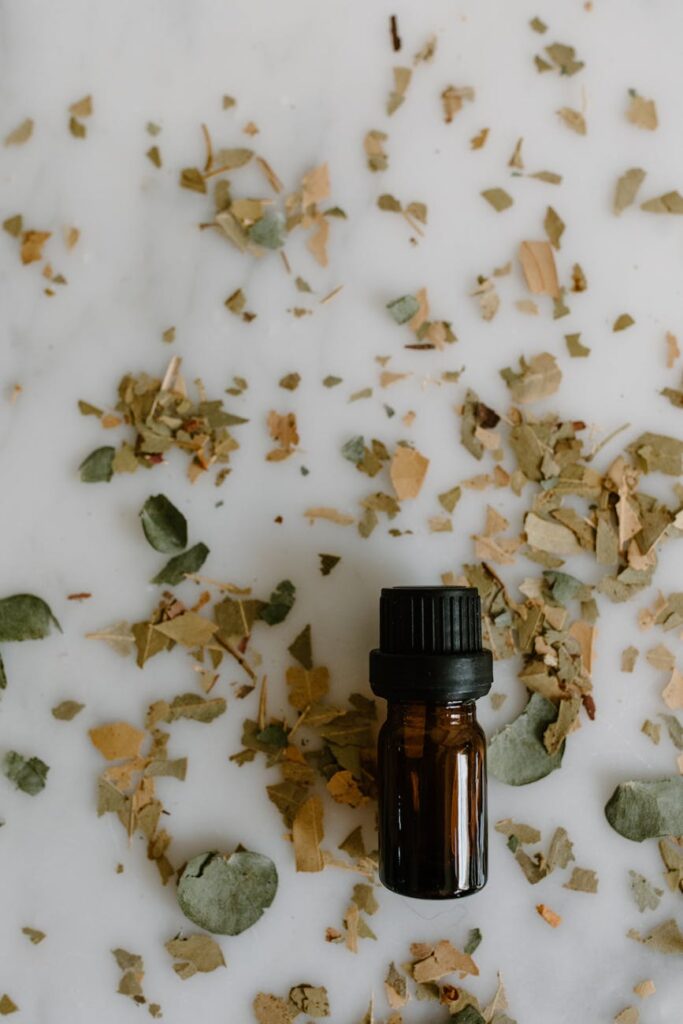
Complete Guide to Cedarwood Oil Part 5
Introduction
Cedarwood oil, derived from the wood of cedar trees, has been revered for centuries across various cultures for its aromatic and therapeutic properties. This essential oil is not only lauded for its comforting scent but also for its versatility in applications ranging from aromatherapy to cosmetics. In this guide, we delve into the intricacies of cedarwood oil, exploring its origins, benefits, common uses, and safety considerations.
What Is Cedarwood Oil?
Cedarwood oil is an essential oil extracted from the wood of cedar trees, primarily from species such as Cedrus atlantica (Atlas cedar), Cedrus deodara (Himalayan cedar), and Juniperus virginiana (Eastern red cedar). The extraction process typically involves steam distillation, which captures the aromatic compounds and beneficial properties of the wood.
The oil is characterized by its warm, woody aroma, which is often used in perfumery and personal care products. Cedarwood oil is rich in several active compounds, including cedrol, thujopsene, and alpha-cedrene. These constituents contribute to its unique scent and potential benefits.
Key Benefits and Properties
Cedarwood oil is celebrated for its numerous benefits and properties, making it a popular choice in holistic practices. Some of the key benefits include:
- Calming Effect: The warm and grounding aroma of cedarwood oil is known for its calming properties. It can help reduce feelings of anxiety and promote relaxation, making it a valuable addition to meditation and yoga practices.
- Antimicrobial Properties: Preliminary studies suggest that cedarwood oil may have antimicrobial properties, which can help inhibit the growth of certain bacteria and fungi. This makes it a potential ingredient in natural cleaning products and personal care formulations.
- Insect Repellent: The scent of cedarwood oil is often used as a natural insect repellent. It is believed to deter pests, making it a popular choice for outdoor applications and natural pest control formulations.
- Skin Care Benefits: Cedarwood oil is often included in skin care products due to its potential to help with acne and other skin conditions. It is thought to have astringent properties, which can help balance oily skin and tighten pores.
- Support for Hair Health: Cedarwood oil is frequently used in hair care formulations. It is believed to promote hair growth, reduce dandruff, and enhance the overall health of the scalp.
- Aromatherapy: Used in diffusers, cedarwood oil can fill a space with its calming aroma, which is often used to create a serene environment conducive to relaxation and meditation.
- Personal Care Products: Cedarwood oil is commonly found in shampoos, conditioners, lotions, and soaps. Its scent and potential skin benefits make it a favored ingredient in natural cosmetics.
- Household Products: Many natural cleaning products incorporate cedarwood oil for its antimicrobial properties and pleasant scent. It can also be used as a natural insect repellent in sprays or candles.
- Massage Oils: When diluted with a carrier oil, cedarwood oil can be used in massage blends to promote relaxation and soothe sore muscles.
- Crafting and DIY Projects: Cedarwood oil is popular in homemade candles, soaps, and other craft projects, allowing individuals to customize their creations with its distinctive scent.
- Diffusion: Adding a few drops of cedarwood oil to a diffuser can create a serene atmosphere. It is often blended with other essential oils like lavender or bergamot to enhance relaxation.
- Inhalation: Direct inhalation of cedarwood oil can be done by adding a few drops to a tissue or cotton ball. This method is often used to relieve feelings of stress or anxiety.
- Topical Application: When diluted with a carrier oil, cedarwood oil can be applied to pulse points, such as wrists or behind the ears, to promote a sense of calm throughout the day.
- Bath Soaks: Adding cedarwood oil to a warm bath can provide a soothing experience, helping to unwind after a long day.
- Dilution: Essential oils are highly concentrated and should be diluted with a carrier oil before topical application to minimize the risk of skin irritation.
- Allergic Reactions: Some individuals may experience allergic reactions or sensitivities to cedarwood oil. It is advisable to perform a patch test before widespread use.
- Pregnancy and Nursing: Pregnant or nursing individuals should consult with a healthcare professional before using cedarwood oil or any essential oils.
- Children: Cedarwood oil is generally not recommended for use in children under two years of age. For older children, it should be used with caution and always diluted.
- Medical Conditions: Individuals with certain medical conditions or those taking medications should seek advice from a qualified healthcare provider before using cedarwood oil.
- Storage Conditions: Cedarwood oil should be stored in a cool, dark place, away from direct sunlight and heat sources. This helps preserve its aromatic properties and efficacy.
- Container: It is best stored in dark glass bottles to protect it from light exposure. Avoid using plastic containers, as essential oils can degrade plastic over time.
- Shelf Life: When stored correctly, cedarwood oil typically has a shelf life of about 2 to 3 years. However, it is essential to check for any changes in scent, appearance, or consistency before use.
Common Uses
Cedarwood oil has a wide array of applications across various domains:
Aromatherapy Applications
In aromatherapy, cedarwood oil is often utilized for its grounding and calming effects. Here are some common applications:
Safety Considerations
While cedarwood oil is generally regarded as safe for use, there are several important safety considerations to keep in mind:
Storage and Shelf Life
Proper storage of cedarwood oil is crucial to maintain its quality and extend its shelf life:
Frequently Asked Questions
1. Can cedarwood oil be ingested?
Cedarwood oil is primarily intended for external use and aromatherapy. Ingestion is not recommended without the guidance of a qualified healthcare professional, as it can be toxic if consumed inappropriately.
2. What is the difference between cedarwood oil and cedarwood essential oil?
The terms “cedarwood oil” and “cedarwood essential oil” are often used interchangeably. Both refer to the same aromatic oil derived from cedar trees.
3. Can cedarwood oil be used in pregnancy?
Pregnant individuals should consult a healthcare professional before using cedarwood oil or any essential oils. Some oils may not be suitable during pregnancy.
4. Is cedarwood oil safe for sensitive skin?
While cedarwood oil is often well-tolerated, individuals with sensitive skin should perform a patch test before using it more broadly. Dilution with a carrier oil is advisable.
5. How can I incorporate cedarwood oil into my daily routine?
Cedarwood oil can be incorporated into your daily routine through diffusion, adding to bath water, or using it in personal care products. Experiment with different applications to find what works best for you.
Conclusion
Cedarwood oil is a multifaceted essential oil with a rich history and a myriad of applications. Its calming properties, antimicrobial benefits, and versatility make it a valuable addition to both personal care and holistic practices. By understanding its properties and safe usage, individuals can harness the benefits of cedarwood oil to enhance their well-being and environment.