
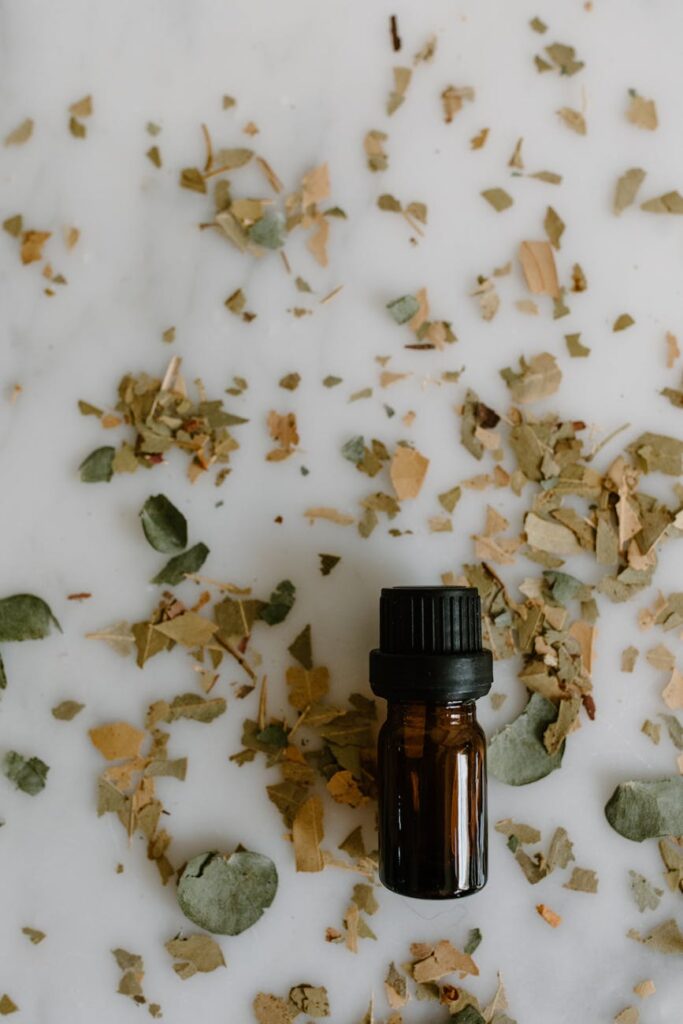
Complete Guide to Cedarwood Oil Part 7
Introduction
Cedarwood oil, derived from the wood of cedar trees, has been used for centuries in various cultures for its aromatic and therapeutic properties. This guide delves into the characteristics, benefits, and applications of cedarwood oil, providing a comprehensive resource for enthusiasts and practitioners alike.
What Is Cedarwood Oil?
Cedarwood oil is an essential oil extracted from the wood of cedar trees, primarily from the species Cedrus atlantica (Atlas cedar), Cedrus deodara (Himalayan cedar), and Juniperus virginiana (Eastern red cedar). The extraction process typically involves steam distillation, which preserves the oil’s natural properties and aromatic qualities.
The oil has a warm, woody scent, often described as grounding and soothing, making it a popular choice in aromatherapy and perfumery. Cedarwood oil is rich in compounds such as cedrol and alpha-cedrene, which contribute to its unique fragrance and beneficial properties.
Key Benefits and Properties
Cedarwood oil is celebrated for its diverse range of properties, which include:
- Antimicrobial: Studies have shown that cedarwood oil exhibits antimicrobial activity, making it a potential natural preservative and disinfectant.
- Anti-inflammatory: The oil may help reduce inflammation and irritation, which can be beneficial for skin applications.
- Sedative: The calming effects of cedarwood oil can promote relaxation and support mental clarity, making it a popular choice for stress relief.
- Insect Repellent: Its woody scent acts as a natural repellent for various insects, providing an eco-friendly alternative to chemical-based repellents.
- Skin Health: Cedarwood oil is known to help with various skin conditions, such as acne and eczema, due to its antiseptic and soothing properties.
- Aromatherapy: Used in diffusers, cedarwood oil helps create a calming atmosphere and can enhance meditation and relaxation practices.
- Perfumery: Its warm, woody scent is a popular base note in many perfumes and colognes.
- Cosmetics: Cedarwood oil is often included in skincare products, shampoos, and conditioners for its fragrance and beneficial properties.
- Household Cleaners: Due to its antimicrobial properties, cedarwood oil can be used in homemade cleaning solutions.
- Diffusion: Add several drops of cedarwood oil to a diffuser to fill the room with its comforting aroma. This can help create a serene environment, reducing stress and anxiety.
- Topical Application: When diluted with a carrier oil, cedarwood oil can be applied to pulse points or areas of tension to promote relaxation. Always perform a patch test to ensure there are no adverse reactions.
- Bathing: Adding a few drops of cedarwood oil to bathwater can enhance relaxation and create a tranquil bathing experience. For best results, combine with a carrier oil or bath salts to help disperse the oil.
- Dilution: Essential oils are highly concentrated and should be diluted with a carrier oil before topical application. A common dilution ratio is 2-3 drops of essential oil per teaspoon of carrier oil.
- Patch Test: Always perform a patch test before using cedarwood oil on the skin to check for allergic reactions or sensitivities.
- Pregnancy and Nursing: Pregnant or nursing individuals should consult a healthcare professional before using cedarwood oil, as its effects during these periods are not well-studied.
- Children and Pets: Cedarwood oil should be used cautiously around children and pets. Always consult a qualified practitioner for guidance on safe usage.
- Container: Store cedarwood oil in a dark glass bottle to protect it from light exposure, which can degrade the oil over time.
- Temperature: Keep the oil in a cool, dry place, away from direct sunlight and heat sources. High temperatures can alter the oil’s composition.
- Shelf Life: Cedarwood oil typically has a shelf life of 1 to 2 years when stored properly. It’s advisable to check for any changes in smell or appearance before use, as these can indicate that the oil has degraded.
These benefits, along with its pleasant aroma, make cedarwood oil a versatile addition to many natural health and wellness practices.
Common Uses
Cedarwood oil has a wide array of applications across different domains, including:
The versatility of cedarwood oil allows it to be integrated into various aspects of daily life, from personal care to household maintenance.
Aromatherapy Applications
In aromatherapy, cedarwood oil is often used for its calming and grounding effects. Here are some common methods of application:
Cedarwood oil’s grounding properties make it an excellent choice for meditation or yoga practices, helping to enhance focus and promote mental clarity.
Safety Considerations
While cedarwood oil is generally regarded as safe when used appropriately, there are some important safety considerations:
By taking these precautions, users can enjoy the benefits of cedarwood oil while minimizing potential risks.
Storage and Shelf Life
Proper storage of cedarwood oil is essential to maintain its quality and efficacy. Here are some tips for storage:
By following these storage guidelines, users can ensure that their cedarwood oil remains effective and aromatic for an extended period.
Frequently Asked Questions
1. Can cedarwood oil be used for hair care?
Yes, cedarwood oil is often included in hair care products for its ability to promote scalp health and improve hair strength. It can help balance oil production and may reduce dandruff when diluted and massaged into the scalp.
2. Is cedarwood oil safe for sensitive skin?
Cedarwood oil can be irritating for some individuals, especially those with sensitive skin. Always dilute it with a carrier oil and perform a patch test before applying it more broadly.
3. How can I use cedarwood oil for relaxation?
To promote relaxation, you can diffuse cedarwood oil in your home, add it to a warm bath, or apply it topically to pulse points after dilution with a carrier oil.
4. Can cedarwood oil repel insects?
Yes, cedarwood oil has natural insect-repelling properties. It is used in various formulations to deter pests, making it a popular choice for natural insect repellent sprays.
5. Is cedarwood oil safe for children?
Cedarwood oil should be used cautiously around children. Always consult a qualified practitioner for advice on safe usage and dilution ratios for children.
Conclusion
Cedarwood oil is a remarkable essential oil with a rich history of use across various cultures. Its diverse benefits, from promoting relaxation to supporting skin health, make it a valuable addition to both personal care and holistic practices. By understanding its properties, applications, and safety considerations, users can effectively incorporate cedarwood oil into their daily routines for enhanced well-being. Through mindful usage and proper storage, cedarwood oil can be enjoyed for its aromatic and therapeutic benefits for years to come.