
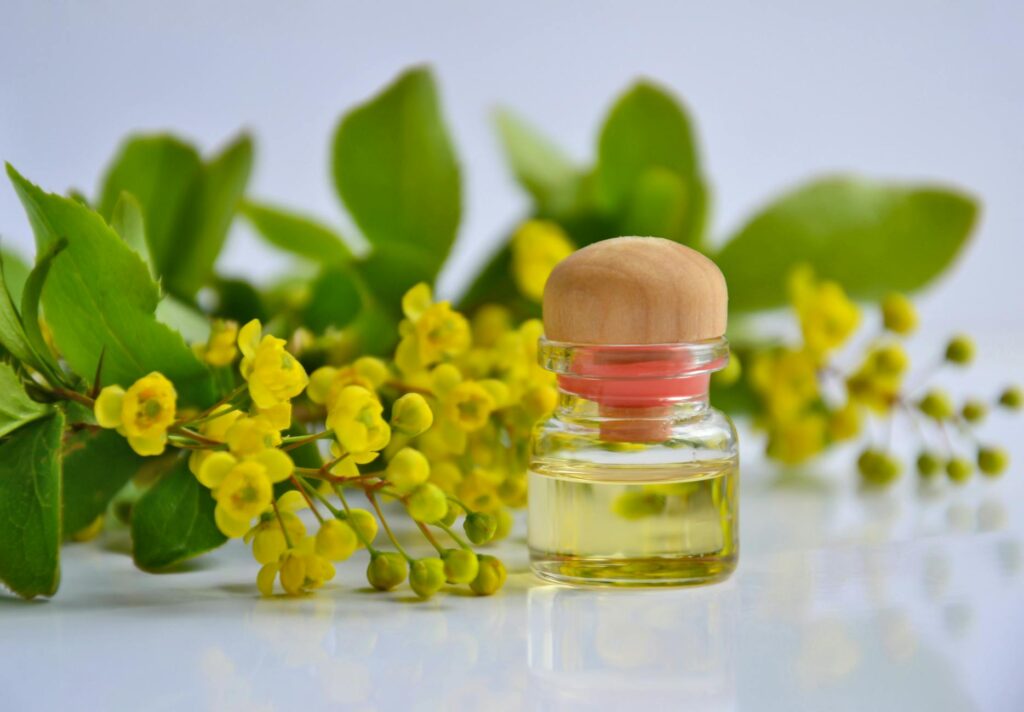
Complete Guide to Cedarwood Oil Part 7
Introduction
Cedarwood oil, derived from the wood of cedar trees, is a versatile essential oil celebrated for its rich aroma and numerous applications. This article is the seventh installment in a comprehensive guide to cedarwood oil, exploring its properties, benefits, common uses, and safety considerations. Whether you are a seasoned aromatherapist or a curious newcomer, this guide will provide valuable insights into the world of cedarwood oil.
What Is Cedarwood Oil?
Cedarwood oil is an essential oil extracted from the wood of various species of cedar trees, primarily belonging to the genera Cedrus, Juniperus, and Thuja. The extraction is typically performed through steam distillation, a method that preserves the oil’s aromatic and therapeutic properties. The oil is characterized by its warm, woody scent, reminiscent of a forest, which makes it a popular choice in perfumery and aromatherapy.
The most commonly used species for extraction include:
- Atlas Cedar (Cedrus atlantica): Known for its calming and grounding properties.
- Himalayan Cedar (Cedrus deodara): Renowned for its fresh, invigorating aroma.
- Virginia Cedar (Juniperus virginiana): Often used for its antiseptic properties and sweet, woody scent.
- Aromatherapy: Its soothing properties make it a popular choice for diffusers and relaxation techniques.
- Skincare: Cedarwood oil is frequently included in natural skincare products due to its antiseptic and anti-inflammatory properties.
- Haircare: Often used in shampoos and conditioners, cedarwood oil is believed to promote hair growth and alleviate dandruff.
- Candles and Incense: Its warm, woody aroma is favored in the production of scented candles and incense sticks.
- Household Cleaning Products: Due to its antimicrobial properties, cedarwood oil is sometimes added to natural cleaning formulations.
- Diffusion: Adding a few drops of cedarwood oil to a diffuser can create a serene atmosphere, promoting relaxation and mental clarity.
- Inhalation: Direct inhalation of cedarwood oil from the bottle or a cotton ball can offer immediate calming effects.
- Topical Application: When diluted with a carrier oil (such as jojoba or coconut oil), cedarwood oil can be applied to pulse points, offering a soothing aroma throughout the day.
- Bath Additive: A few drops of cedarwood oil can be added to bathwater for a relaxing soak, enhancing the overall bathing experience.
- Massage: Blending cedarwood oil with a carrier oil for massage can help relieve tension and promote relaxation.
- Patch Test: Before using cedarwood oil topically, it is advisable to conduct a patch test to check for any allergic reactions or skin irritations.
- Dilution: Cedarwood oil should always be diluted in a carrier oil before applying it to the skin to avoid irritation.
- Pregnancy and Nursing: Pregnant or nursing individuals should consult a healthcare professional before using cedarwood oil.
- Children and Pets: Cedarwood oil should be kept out of reach of children and pets. Consult a veterinarian before using it around animals.
- Medical Conditions: Individuals with specific medical conditions, such as asthma or skin sensitivities, should seek advice from a healthcare provider before using cedarwood oil.
- Storage Conditions: Cedarwood oil should be stored in a cool, dark place, away from direct sunlight and heat sources.
- Container: It is best kept in a dark glass bottle to protect it from light exposure, which can degrade its quality over time.
- Shelf Life: Cedarwood oil typically has a shelf life of around 2 to 3 years when stored properly. However, it’s advisable to check for any changes in aroma or appearance before use, as this may indicate that the oil has gone rancid.
Key Benefits and Properties
Cedarwood oil possesses a variety of beneficial properties that contribute to its widespread use. These include:
1. Antiseptic: Cedarwood oil has antimicrobial properties that can help inhibit the growth of bacteria, fungi, and viruses.
2. Anti-inflammatory: The oil may assist in reducing inflammation, making it a popular choice for soothing skin irritations.
3. Relaxant: Known for its calming effects, cedarwood oil is often used in aromatherapy to promote relaxation and reduce anxiety.
4. Insect Repellent: The strong scent of cedarwood oil can deter various insects, making it an effective natural repellent.
5. Expectorant: Cedarwood oil is believed to support respiratory health by acting as an expectorant, potentially helping to clear congestion.
Common Uses
Cedarwood oil is utilized in various applications, owing to its diverse benefits:
Aromatherapy Applications
In aromatherapy, cedarwood oil is valued for its grounding and calming effects. Here are some popular methods of application:
Safety Considerations
While cedarwood oil is generally considered safe for most individuals, there are important safety considerations to keep in mind:
Storage and Shelf Life
To maintain the quality and potency of cedarwood oil, proper storage is essential:
Frequently Asked Questions
1. Can cedarwood oil be used in cooking?
Cedarwood oil is not typically used in cooking. While some essential oils are safe for culinary use, cedarwood oil is primarily intended for topical and aromatic applications.
2. Is cedarwood oil safe for sensitive skin?
Cedarwood oil can cause irritation in some individuals, especially those with sensitive skin. It is essential to dilute the oil with a carrier oil before applying it to the skin and perform a patch test.
3. Can cedarwood oil help with hair loss?
Cedarwood oil is often included in haircare products and is believed to promote hair growth and reduce hair loss. However, individual results may vary, and it should be used as part of a broader haircare regimen.
4. How do I incorporate cedarwood oil into my skincare routine?
Cedarwood oil can be added to your skincare routine by mixing a few drops with a carrier oil and applying it to the skin. It can also be included in homemade skincare formulations, such as lotions or serums.
5. Can cedarwood oil be used in a diffuser with other essential oils?
Yes, cedarwood oil blends well with various essential oils, such as lavender, bergamot, and frankincense. Experimenting with different combinations can create a unique aromatic experience.
Conclusion
Cedarwood oil is a remarkable essential oil with a rich history and a myriad of applications. From its soothing aroma to its antiseptic properties, it has earned a place in the realm of aromatherapy, skincare, and household products. By understanding its benefits, uses, and safety considerations, individuals can effectively incorporate cedarwood oil into their wellness routines, enhancing their overall well-being.