
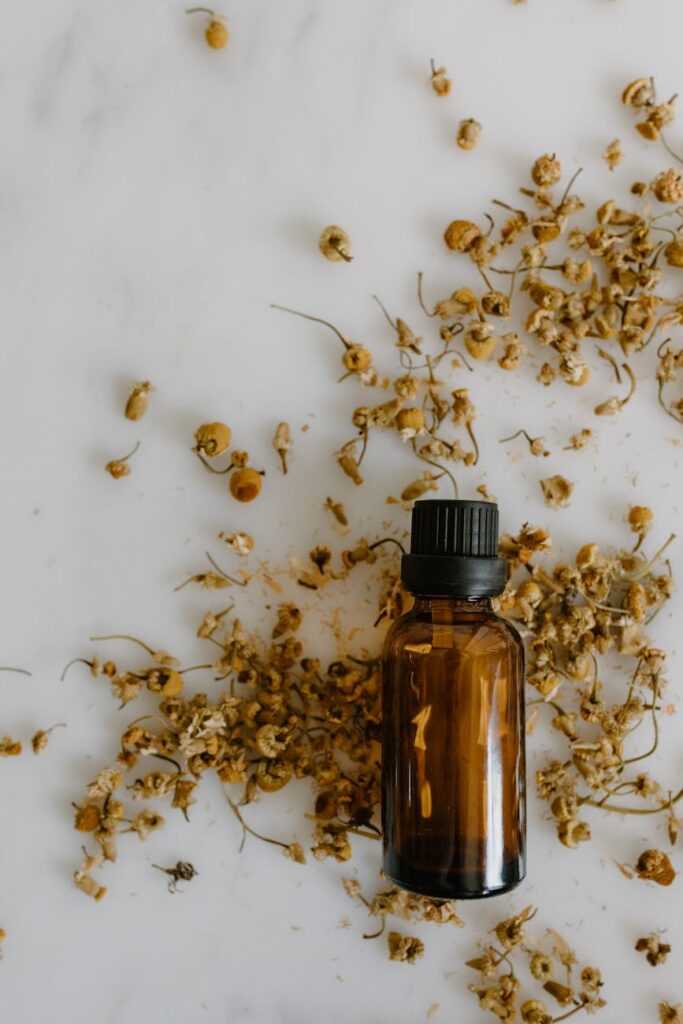
Complete Guide to Chamomile Oil Part 13
Introduction
Chamomile oil, derived from the flowers of the chamomile plant, is renowned for its soothing and calming properties. This oil has been utilized for centuries in various cultures, not only for its therapeutic benefits but also for its aromatic qualities. In this comprehensive guide, we will explore the nature of chamomile oil, its benefits, common applications, and best practices for use and storage.
What Is Chamomile Oil?
Chamomile oil is an essential oil extracted from the flowers of two primary species: Matricaria chamomilla (Roman chamomile) and Chamaemelum nobile (German chamomile). The extraction process typically involves steam distillation or solvent extraction, yielding an oil that embodies the floral, sweet, and herbaceous notes characteristic of chamomile.
Each species offers slightly different properties and scents; Roman chamomile tends to have a more apple-like aroma, while German chamomile presents a deeper, more intense fragrance. Both varieties are celebrated for their calming effects and are widely used in aromatherapy and holistic practices.
Key Benefits and Properties
Chamomile oil is rich in a variety of chemical compounds, including sesquiterpenes, flavonoids, and esters, which contribute to its therapeutic properties. Some of the notable benefits include:
- Calming Effects: Chamomile oil is often used to promote relaxation and alleviate stress. Its sedative properties make it a popular choice for those seeking to unwind.
- Anti-inflammatory: The oil has natural anti-inflammatory properties that can help soothe skin irritations and reduce redness or swelling.
- Antimicrobial: Chamomile oil possesses antimicrobial qualities, which may help inhibit the growth of certain bacteria and fungi.
- Digestive Aid: Traditionally, chamomile has been used to support digestive health, alleviating discomfort associated with indigestion.
- Mood Enhancer: The soothing scent of chamomile oil can help elevate mood and combat feelings of anxiety, making it beneficial for emotional well-being.
- Aromatherapy Diffusion: Many individuals use chamomile oil in diffusers to create a calming atmosphere in their homes or workplaces.
- Massage Oil: When blended with carrier oils, chamomile oil can be used in massage therapy to promote relaxation and relieve muscle tension.
- Skin Care: Due to its anti-inflammatory and soothing properties, chamomile oil is often incorporated into skincare formulations to help with conditions like eczema and acne.
- Hair Care: Chamomile oil can also be used in hair care products to promote shine and soothe the scalp.
- Sleep Aids: Chamomile oil is commonly used in pillow sprays or bedtime rituals to enhance sleep quality.
- Patch Testing: Before applying chamomile oil topically, conduct a patch test to check for potential allergic reactions. Dilute a small amount of the oil with a carrier oil and apply it to a small area of skin.
- Pregnancy and Breastfeeding: Pregnant or breastfeeding individuals should consult with a healthcare provider before using chamomile oil.
- Allergic Reactions: Individuals with allergies to plants in the Asteraceae family (such as ragweed, marigolds, or daisies) should exercise caution, as they may be more prone to allergic reactions to chamomile.
- Dilution: Always dilute chamomile oil with a suitable carrier oil before applying it to the skin to avoid irritation.
- Cool, Dark Place: Store chamomile oil in a cool, dark location, away from direct sunlight and heat sources, to prevent degradation.
- Tightly Sealed: Ensure that the bottle is tightly sealed to minimize exposure to air, which can lead to oxidation.
- Shelf Life: Generally, chamomile oil has a shelf life of 1 to 3 years, depending on storage conditions. Always check for any changes in aroma or consistency before use.
Common Uses
Chamomile oil finds its way into various applications, both in personal care and wellness practices. Here are some common uses:
Aromatherapy Applications
In aromatherapy, chamomile oil is valued for its ability to promote relaxation and emotional balance. Here are some specific applications:
1. Stress Relief
Diffusing chamomile oil in stressful environments can create a sense of calm. The oil can be blended with other relaxing oils, such as lavender or bergamot, to enhance its effects.
2. Sleep Support
Chamomile oil can be added to bedtime rituals, such as calming baths or pillow sprays, to promote restful sleep. A few drops in a warm bath can help prepare the body for sleep.
3. Meditation and Mindfulness
Incorporating chamomile oil into meditation practices can aid in grounding and calming the mind. Its soothing aroma can create a tranquil setting conducive to mindfulness.
4. Emotional Balance
Chamomile oil can be used in personal inhalers or roll-ons to help manage feelings of anxiety or tension throughout the day.
Safety Considerations
While chamomile oil is generally considered safe for most individuals, it is essential to follow safety guidelines:
Storage and Shelf Life
Proper storage is crucial to maintaining the quality and integrity of chamomile oil. Here are some tips:
Frequently Asked Questions
1. Can I use chamomile oil during pregnancy?
While chamomile oil is often used for its calming properties, it is advisable to consult a healthcare provider before use during pregnancy or breastfeeding.
2. What is the difference between Roman and German chamomile oil?
Roman chamomile (Matricaria chamomilla) has a sweeter, apple-like scent, while German chamomile (Chamaemelum nobile) is deeper and more herbal. Their properties are similar, but Roman chamomile is often preferred for emotional balance, whereas German chamomile is favored for topical applications.
3. How can I incorporate chamomile oil into my skincare routine?
Chamomile oil can be added to creams, lotions, or serums. It is advisable to dilute it with a carrier oil for topical application.
4. Can chamomile oil help with anxiety?
Many people use chamomile oil for its potential calming effects. It may help create a tranquil environment and promote relaxation, but individual responses can vary.
5. Is chamomile oil safe for children?
Chamomile oil can be used with caution for children, usually in diluted forms. Always consult with a healthcare professional for specific age recommendations and dosages.
Conclusion
Chamomile oil is a versatile and valuable essential oil celebrated for its calming properties and diverse applications. From aromatherapy to skincare, its benefits are numerous and well-documented. By understanding its characteristics, uses, and safety considerations, individuals can effectively incorporate chamomile oil into their wellness routines. As with any essential oil, mindfulness and education are key to safe and beneficial usage.