
Complete Guide to Chamomile Oil Safety
Introduction
Chamomile oil, derived from the flowers of the Chamomilla recutita or Matricaria chamomilla plant, is renowned for its calming properties and is widely used in aromatherapy and holistic practices. This essential oil, celebrated for its soothing aroma and therapeutic benefits, has gained popularity in various applications ranging from skincare to stress relief. However, it is essential to understand the safety aspects associated with its use, as well as its benefits, applications, and proper storage methods.
What Is Chamomile Oil Safety?
Chamomile oil safety refers to the practices and guidelines that ensure the safe use of chamomile essential oil. This encompasses understanding the oil’s properties, potential reactions, and proper application methods. Essential oils are potent substances, and while they can provide numerous benefits, improper use can lead to adverse effects. Therefore, familiarizing oneself with chamomile oil safety is crucial for both novice and experienced users.
Key Benefits and Properties
Chamomile oil is praised for its array of benefits and properties:
1. Anti-inflammatory: Chamomile is known for its ability to reduce inflammation, making it beneficial for skin irritations and other inflammatory conditions.
2. Calming: The oil has anxiolytic properties, often utilized to promote relaxation and reduce stress and anxiety.
3. Antioxidant: Chamomile contains antioxidants that protect cells from oxidative stress, contributing to overall health.
4. Digestive Aid: While not a substitute for medical treatment, chamomile is often recognized for its ability to soothe digestive disturbances.
5. Skin Health: Chamomile oil is frequently used in skincare due to its soothing and healing properties, helping to alleviate conditions such as eczema and dermatitis.
Common Uses
Chamomile oil’s versatility allows for a range of common uses:
- Aromatherapy: Often diffused in homes, chamomile oil can create a serene and calming atmosphere.
- Massage Oil: It can be diluted with a carrier oil and used for massages to relieve tension and promote relaxation.
- Bath Additive: A few drops added to bathwater can enhance relaxation and soothe the skin.
- Skincare: Chamomile oil is incorporated into creams, lotions, and serums for its beneficial effects on the skin.
- Inhalation: Inhaling chamomile oil can help alleviate stress and anxiety, promoting a sense of peace.
- Diffuser Blends: Combining chamomile oil with citrus oils can create an uplifting yet calming environment.
- Sleep Aids: Chamomile is often used in sleep blends, combined with oils like cedarwood or ylang-ylang to promote restful sleep.
- Stress Relief: For anxiety relief, chamomile may be blended with oils like frankincense or sandalwood.
- Meditation and Yoga: Chamomile oil can be diffused during meditation or yoga sessions to foster a peaceful state of mind.
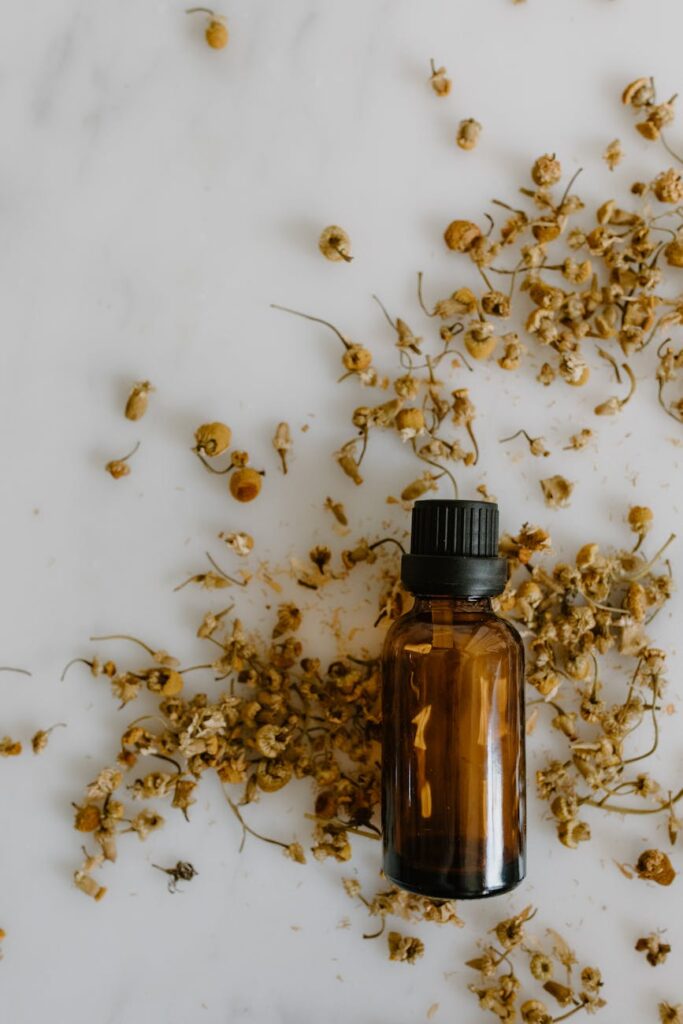
- Storage Condition: Keep chamomile oil in a cool, dark place away from direct sunlight and heat sources. A dark glass bottle is ideal for protecting the oil from light.
- Shelf Life: When stored correctly, chamomile oil typically has a shelf life of 1-3 years. However, it’s advisable to check for any changes in aroma, color, or viscosity, which may indicate that the oil has gone rancid.
- Sealing: Ensure that the bottle is tightly sealed when not in use to prevent oxidation, which can degrade the oil over time.
Aromatherapy Applications
In aromatherapy, chamomile oil is most commonly used for its calming effects. It can be blended with other essential oils such as lavender or bergamot for enhanced relaxation. Here are a few specific applications:
Safety Considerations
While chamomile oil is generally regarded as safe, there are specific considerations to keep in mind:
1. Dilution: Essential oils are highly concentrated and should always be diluted with a carrier oil before topical application. A common dilution ratio is 2-3 drops of essential oil per teaspoon of carrier oil.
2. Patch Test: Before using chamomile oil on the skin, it is advisable to conduct a patch test to check for any allergic reactions. This involves applying a small amount of diluted oil to a small area of skin and waiting 24 hours for any adverse reactions.
3. Pregnancy and Breastfeeding: Individuals who are pregnant or breastfeeding should consult a healthcare professional before using chamomile oil, as its effects during these stages are not well studied.
4. Allergic Reactions: People with allergies to plants in the Asteraceae family, such as ragweed, may experience allergic reactions to chamomile. Symptoms can include skin irritation or respiratory issues.
5. Children and Pets: While chamomile oil is generally safe, it is essential to consult with a healthcare provider before using it on children or pets, as their reactions may differ.
6. Drug Interactions: Chamomile oil may interact with certain medications, particularly blood thinners. Always consult a healthcare professional if you are taking medications that could potentially interact with chamomile oil.
Storage and Shelf Life
Proper storage is key to preserving the quality of chamomile oil. Here are some guidelines:
Frequently Asked Questions
1. Can chamomile oil be ingested?
Chamomile oil should not be ingested unless under the guidance of a qualified healthcare professional. Ingesting essential oils can lead to toxic reactions and should be approached with caution.
2. Is chamomile oil safe for topical use?
Chamomile oil can be safe for topical use when properly diluted. Always perform a patch test before applying it to larger areas of skin.
3. Can I use chamomile oil in a diffuser?
Yes, chamomile oil can be used in a diffuser to promote relaxation and reduce stress. Ensure that you follow the manufacturer’s guidelines for your specific diffuser.
4. Is there a difference between Roman and German chamomile oil?
Yes, Roman chamomile (Chamaemelum nobile) and German chamomile (Matricaria chamomilla) have different chemical compositions and properties. Roman chamomile is generally sweeter in aroma and is often used for calming, while German chamomile is more potent and may be used for its anti-inflammatory properties.
5. How can I tell if chamomile oil is of good quality?
High-quality chamomile oil should have a strong, pleasant aroma and be packaged in a dark glass bottle. Look for oils that are labeled as 100% pure and come from reputable manufacturers.
6. Can chamomile oil help with sleep disorders?
While chamomile oil is commonly used to promote relaxation and may aid in sleep, it is not a substitute for professional medical advice or treatment for sleep disorders.
Conclusion
Chamomile oil offers a myriad of benefits and applications, making it a valuable addition to the world of aromatherapy and holistic practices. Understanding chamomile oil safety is paramount for ensuring a positive experience. By adhering to safety guidelines, proper storage methods, and being aware of potential reactions, users can safely enjoy the soothing properties of chamomile oil. Always remember that, while this essential oil can enhance well-being, it should be used responsibly and with due consideration for individual circumstances.