
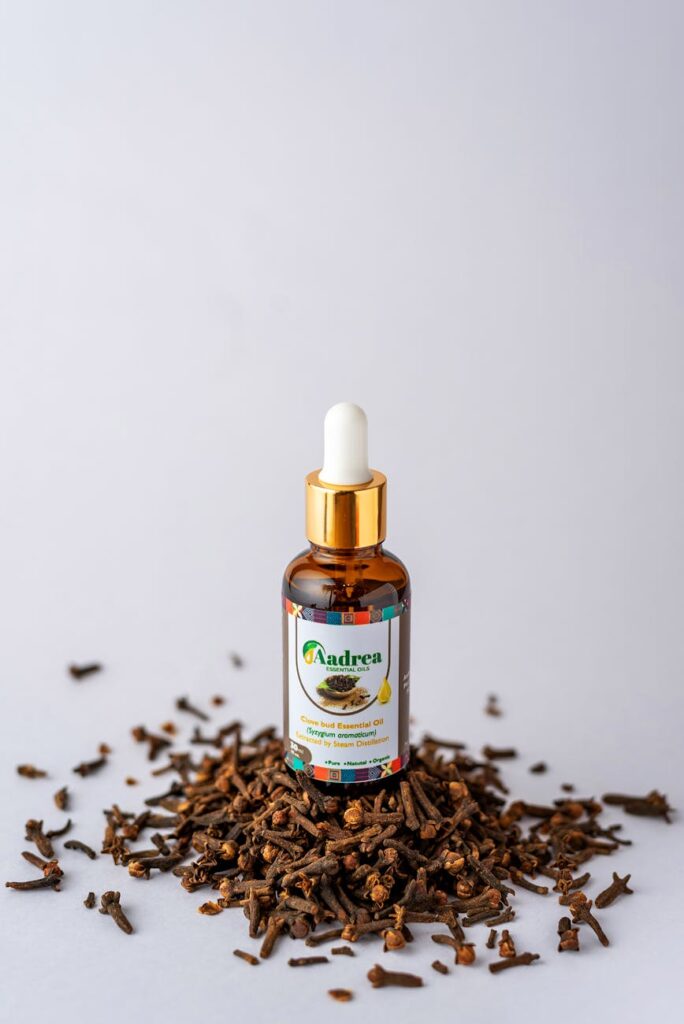
Complete Guide to Cinnamon Extract
Introduction
Cinnamon has been cherished for thousands of years, both as a culinary spice and for its various health benefits. Derived from the inner bark of trees belonging to the Cinnamomum genus, cinnamon is celebrated not only for its distinct flavor but also for its aromatic properties. This guide delves into cinnamon extract, exploring its composition, benefits, applications, and safety considerations, making it a valuable resource for those interested in this remarkable botanical ingredient.
What Is Cinnamon Extract?
Cinnamon extract is a concentrated form of the compounds found in cinnamon bark. It is typically obtained through processes such as steam distillation or solvent extraction, which capture the essential oils and active constituents of the cinnamon tree. The primary species used for extraction are Cinnamomum verum (also known as Ceylon cinnamon) and Cinnamomum cassia (often referred to as Cassia cinnamon).
Cinnamon extract has a warm, sweet, and spicy aroma, characterized by its rich flavor profile, which makes it popular not only in cooking and baking but also in perfumery and aromatherapy.
Key Benefits and Properties
Antioxidant Properties
Cinnamon extract is rich in antioxidants, compounds that help combat oxidative stress in the body. The presence of polyphenols in cinnamon contributes to its ability to neutralize free radicals, potentially reducing cell damage and promoting overall health.
Anti-Inflammatory Effects
The bioactive compounds in cinnamon, such as cinnamaldehyde, have been studied for their anti-inflammatory properties. These compounds may help reduce inflammation in the body, which is linked to various chronic conditions.
Antimicrobial Activity
Cinnamon extract has demonstrated antimicrobial properties, making it effective against certain bacteria and fungi. Its natural compounds can help inhibit the growth of pathogens, which is why it is often used as a preservative in food products.
Metabolic Support
Some studies suggest that cinnamon extract may play a role in supporting metabolic health, particularly in relation to blood sugar levels. While more research is needed, the potential benefits of cinnamon extract in promoting balanced glucose metabolism are of significant interest.
Common Uses
Culinary Applications
Cinnamon extract is widely used in cooking and baking. It enhances the flavor of dishes, adds warmth to beverages like chai and hot chocolate, and serves as a key ingredient in various desserts and pastries. It can also be incorporated into savory dishes, lending depth and complexity to flavors.
Cosmetic and Personal Care Products
Due to its pleasant aroma and potential skin benefits, cinnamon extract is commonly found in cosmetic formulations, including lotions, creams, and perfumes. Its antimicrobial properties make it a valuable ingredient in products aimed at improving skin health.
Dietary Supplements
Cinnamon extract is available in various supplement forms, including capsules and tinctures. It is often marketed for its potential health benefits, particularly in relation to metabolic support and antioxidant activity.
Aromatherapy Applications
Diffusion
Cinnamon extract is frequently used in aromatherapy due to its warm and inviting scent. It can be diffused in a room to create a cozy atmosphere, often associated with feelings of comfort and relaxation. When combined with other essential oils, such as clove or orange, it can enhance the overall aromatic experience.
Massage Oils
Incorporating cinnamon extract into massage oils can provide a soothing experience, especially when combined with carrier oils. The warming sensation of cinnamon can help alleviate tension and promote relaxation during a massage.
Bath Products
Adding cinnamon extract to bath products, such as bath oils or salts, can create a luxurious and aromatic bathing experience. The warm aroma can enhance relaxation and provide a sense of comfort.
Safety Considerations
While cinnamon extract is generally regarded as safe for culinary and topical use, there are important considerations to keep in mind:
Skin Sensitivity
Cinnamon extract can be irritating to the skin in some individuals. It is advisable to conduct a patch test before applying cinnamon-containing products to larger areas of the skin. If irritation occurs, discontinue use.
Pregnancy and Nursing
Pregnant and nursing individuals should consult their healthcare provider before using cinnamon extract, especially in concentrated forms, as certain compounds may not be recommended during these periods.
Allergies
Some individuals may have allergies or sensitivities to cinnamon. Symptoms can include skin rashes or digestive upset. If you suspect an allergic reaction, seek medical attention.
Dosage and Concentration
When using cinnamon extract in supplements or concentrated forms, adhere to recommended dosages. Excessive consumption may lead to adverse effects. Always consult product instructions and consider discussing usage with a healthcare professional.
Storage and Shelf Life
To maintain the quality and potency of cinnamon extract, proper storage is essential:
Storage Conditions
Cinnamon extract should be stored in a cool, dark place, away from direct sunlight and heat sources. Exposure to light and heat can degrade the extract and diminish its efficacy.
Shelf Life
The shelf life of cinnamon extract varies depending on the extraction method and storage conditions. Generally, properly stored cinnamon extract can last for 1 to 2 years. It is advisable to check for any changes in color, aroma, or consistency before use, as these may indicate spoilage.
Frequently Asked Questions
1. What is the difference between Ceylon and Cassia cinnamon?
Ceylon cinnamon (Cinnamomum verum) is often referred to as “true cinnamon” and has a sweeter, more delicate flavor. Cassia cinnamon (Cinnamomum cassia) is more common in grocery stores and has a stronger, spicier flavor. From a health perspective, Ceylon cinnamon contains lower levels of coumarin, a compound that can be harmful in high amounts.
2. Can I use cinnamon extract in cooking?
Yes, cinnamon extract can be used in cooking and baking. It is important to adjust the quantity used, as extracts are concentrated and may require less than the ground spice.
3. Is cinnamon extract safe for children?
While cinnamon is generally safe for children in culinary amounts, concentrated extracts should be used with caution. Always consult with a pediatrician before introducing any new supplements or extracts to a child’s diet.
4. How can I incorporate cinnamon extract into my skincare routine?
Cinnamon extract can be added to homemade skincare products, such as masks or scrubs. However, it is vital to dilute it properly with a carrier oil or other base to avoid skin irritation.
5. Where can I purchase high-quality cinnamon extract?
Cinnamon extract can be found in health food stores, specialty spice shops, and online retailers. When purchasing, look for reputable brands that provide transparency in sourcing and extraction methods.
Conclusion
Cinnamon extract is a versatile and aromatic substance that offers a range of benefits and applications. From its culinary uses to its role in aromatherapy and personal care products, cinnamon extract is a valuable addition to various aspects of life. However, as with any botanical extract, it is essential to use it mindfully and with an understanding of its properties and potential effects. With proper storage and responsible usage, cinnamon extract can be enjoyed and appreciated for its unique qualities for years to come.