
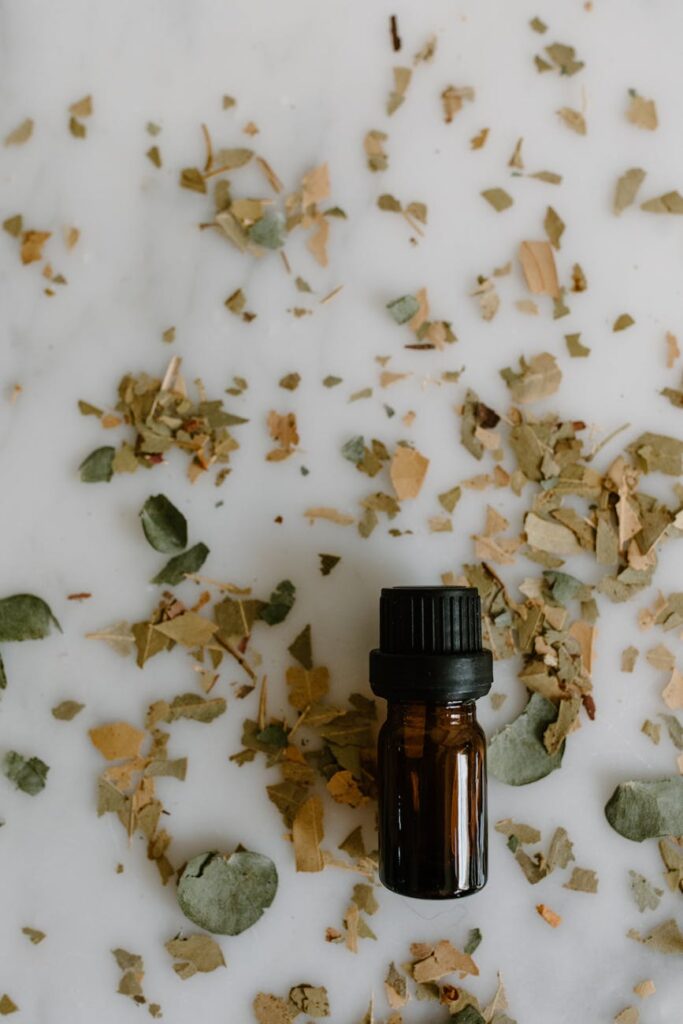
Complete Guide to Cinnamon Oil Part 5
Introduction
Cinnamon oil, derived from the bark and leaves of the cinnamon tree (Cinnamomum verum or Cinnamomum cassia), has been celebrated for its aromatic properties and potential benefits for centuries. This essential oil is not only a staple in culinary traditions but also holds a significant place in the realms of aromatherapy and natural wellness. This guide delves into the characteristics, uses, and considerations surrounding cinnamon oil, offering a comprehensive overview for enthusiasts and practitioners alike.
What Is Cinnamon Oil?
Cinnamon oil is an essential oil extracted from the leaves, bark, or twigs of the cinnamon tree. The extraction methods commonly employed include steam distillation and cold pressing, which yield a potent oil with a warm, spicy aroma. There are two main types of cinnamon oil: Ceylon cinnamon oil, derived from Cinnamomum verum, often regarded as “true cinnamon,” and Cassia cinnamon oil, sourced from Cinnamomum cassia, which is more widely available and less expensive.
The chemical composition of cinnamon oil includes compounds such as cinnamaldehyde, eugenol, and linalool, each contributing to its distinct fragrance and potential properties. This oil is often characterized by its rich, warm scent that evokes feelings of comfort and warmth, making it a popular choice in various applications.
Key Benefits and Properties
Cinnamon oil is lauded for its myriad benefits, which can be attributed to its unique chemical constituents. Some of the key properties include:
- Antioxidant Properties: Cinnamon oil is rich in antioxidants, which can help combat oxidative stress in the body.
- Antimicrobial Effects: Research suggests that cinnamon oil possesses antimicrobial properties, making it effective against various bacteria and fungi.
- Anti-Inflammatory: Some studies indicate that the oil may have anti-inflammatory effects, which can be beneficial for overall wellness.
- Mood Enhancer: The warm and spicy aroma of cinnamon oil is often associated with uplifting mood and enhancing mental clarity, making it a popular choice in aromatherapy.
- Digestive Support: While cinnamon oil is traditionally used in culinary practices to aid digestion, its essential oil form is often included in blends aimed at promoting digestive health.
- Culinary Uses: In its culinary form, cinnamon oil can be added to baked goods, beverages, and savory dishes to impart a warm flavor.
- Aromatherapy: The oil is often diffused in homes to create a cozy atmosphere, especially during colder months or festive seasons.
- Personal Care Products: Cinnamon oil is a popular ingredient in natural skincare products, including soaps, lotions, and balms, due to its pleasant aroma and potential skin benefits.
- Household Cleaner: Its antimicrobial properties make it a natural choice for homemade cleaning solutions.
- Massage Oil: When diluted properly with a carrier oil, cinnamon oil can be used in massages to promote relaxation and warmth.
- Diffusion: Add a few drops of cinnamon oil to an essential oil diffuser to create a warm, inviting environment. It can blend well with other oils such as clove, orange, or ginger for a cozy aroma.
- Inhalation: For a quick pick-me-up, inhaling the scent of cinnamon oil directly from the bottle can provide a burst of energy and enhance mental clarity.
- Massage Therapy: When blended with a carrier oil, cinnamon oil can be used in massage therapy to provide soothing warmth and relaxation. Use caution and ensure the oil is well-diluted to prevent skin irritation.
- Meditation and Relaxation: The rich, comforting scent of cinnamon oil can enhance meditation practices, creating a serene environment conducive to relaxation.
- Skin Sensitivity: Cinnamon oil can be irritating to the skin if used undiluted. Always dilute it with a carrier oil such as coconut oil or jojoba oil before applying it to the skin.
- Patch Test: Before using cinnamon oil, conduct a patch test by applying a small diluted amount to a discreet area of skin to check for any adverse reactions.
- Pregnancy and Nursing: Pregnant or nursing individuals should consult with a qualified healthcare professional before using cinnamon oil.
- Children and Pets: Special care should be taken when using essential oils around children and pets, as they may be more sensitive to certain oils.
- Internal Use: While cinnamon oil can be found in some food products, it is highly concentrated in its essential oil form. Internal use should only be done under the guidance of a qualified practitioner.
- Keep it Cool: Store cinnamon oil in a cool, dark place away from direct sunlight and heat sources. A dark glass bottle is ideal for protecting the oil from light exposure.
- Seal Tightly: Ensure the bottle is tightly sealed to prevent oxidation and contamination.
- Check Expiration Dates: Most essential oils have a shelf life of 1-3 years, depending on the extraction method and storage conditions. Always check for any changes in smell, color, or viscosity before use.
Common Uses
Cinnamon oil is versatile and can be used in numerous ways. Here are some common applications:
Aromatherapy Applications
In the realm of aromatherapy, cinnamon oil is typically used for its stimulating and uplifting properties. Here are some specific applications:
Safety Considerations
While cinnamon oil is generally considered safe for use, it is important to exercise caution. Here are some safety considerations to keep in mind:
Storage and Shelf Life
Proper storage of cinnamon oil is essential to maintain its quality and potency. Here are some tips for storage:
Frequently Asked Questions
1. How is cinnamon oil extracted?
Cinnamon oil is typically extracted through steam distillation of the bark or leaves of the cinnamon tree. This method preserves the oil’s aromatic properties.
2. Can I use cinnamon oil in cooking?
Yes, cinnamon oil can be used in cooking, but it is highly concentrated. Use it sparingly and consider diluting it in a carrier oil or other ingredients before use.
3. Is cinnamon oil safe for topical use?
Cinnamon oil should always be diluted with a carrier oil before topical application to avoid skin irritation. Conduct a patch test prior to use to ensure no allergic reactions occur.
4. What are the best essential oil blends that include cinnamon oil?
Cinnamon oil pairs well with other essential oils such as clove, orange, ginger, and nutmeg, creating a warm and inviting scent profile.
5. Can I use cinnamon oil in a diffuser?
Yes, cinnamon oil is an excellent choice for diffusers. Add a few drops to your diffuser to create a warm and comforting atmosphere.
Conclusion
Cinnamon oil is a remarkable essential oil with a rich history and a wide range of applications. From enhancing culinary creations to providing aromatic benefits in aromatherapy, it serves as a versatile tool in promoting comfort and well-being. By understanding its properties, uses, and safety considerations, individuals can incorporate cinnamon oil into their daily lives with confidence. As with any essential oil, it is essential to approach its use with knowledge and respect, ensuring a rewarding experience.