
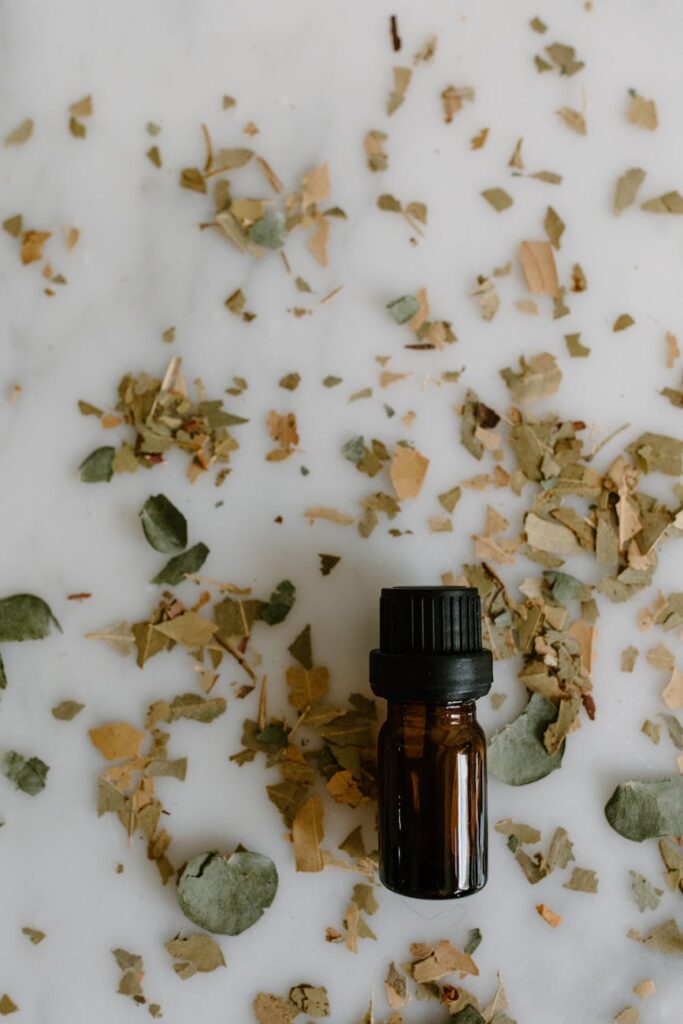
Complete Guide to Cinnamon Oil Part 7
Introduction
Cinnamon oil, derived from the bark or leaves of the cinnamon tree (Cinnamomum verum or Cinnamomum cassia), has been cherished for centuries not only for its aromatic qualities but also for its diverse applications in culinary, cosmetic, and therapeutic practices. This article serves as a comprehensive guide to cinnamon oil, exploring its properties, uses, and various applications, particularly in the realm of aromatherapy.
What Is Cinnamon Oil?
Cinnamon oil is an essential oil extracted from the bark or leaves of the cinnamon tree. The two most common types of cinnamon oil are Ceylon cinnamon oil, derived from Cinnamomum verum, and Cassia cinnamon oil, extracted from Cinnamomum cassia. Ceylon cinnamon is often referred to as “true cinnamon,” while Cassia cinnamon is more commonly found in commercial products.
The extraction of cinnamon oil typically involves steam distillation, which captures the volatile compounds that contribute to its distinctive aroma and flavor. The oil is characterized by its warm, sweet, and spicy scent, making it a popular choice in both culinary and therapeutic contexts.
Key Benefits and Properties
Cinnamon oil boasts a range of beneficial properties due to its rich composition of active compounds. The primary constituents include cinnamaldehyde, eugenol, and linalool, each contributing to the oil’s unique characteristics:
- Antimicrobial Properties: Cinnamon oil has been found to possess antimicrobial properties that can inhibit the growth of various bacteria and fungi. This makes it a popular ingredient in natural cleaning products and personal care items.
- Anti-inflammatory Effects: The oil is known for its potential anti-inflammatory properties, which may help alleviate discomfort associated with various conditions.
- Antioxidant Activity: Rich in antioxidants, cinnamon oil may help neutralize free radicals in the body, contributing to overall health and wellness.
- Mood Enhancer: The warm and comforting scent of cinnamon oil is often associated with feelings of relaxation and well-being, making it a popular choice in aromatherapy practices.
- Cinnamon oil can be used to enhance the flavor of various dishes, including baked goods, beverages, and savory meals. It is particularly popular in holiday recipes and spice blends.
- Due to its antimicrobial properties, cinnamon oil can be incorporated into homemade cleaning solutions to disinfect surfaces and eliminate odors.
- Many cosmetic formulations, including lotions, soaps, and lip balms, utilize cinnamon oil for its fragrance and potential skin benefits.
- The oil is frequently used in diffusers, candles, and personal inhalers to create a warm and inviting atmosphere.
- When diluted with a carrier oil, cinnamon oil can be used in massage blends to promote relaxation and soothe sore muscles.
- Diffusion: Adding a few drops of cinnamon oil to a diffuser can fill a room with its warm scent, promoting relaxation and comfort. It is often blended with other essential oils, such as clove or orange, to create a harmonious aroma.
- Inhalation: Inhalation of cinnamon oil can stimulate the senses and may enhance focus. A few drops can be placed on a cotton ball or tissue for direct inhalation.
- Topical Application: When diluted with a carrier oil, cinnamon oil can be applied to pulse points or used in massage to promote a sense of warmth and relaxation.
- Meditation and Mindfulness Practices: The grounding scent of cinnamon oil can enhance meditation sessions, providing a calming environment that encourages introspection.
- Dilution: Cinnamon oil is highly concentrated and should always be diluted with a carrier oil before topical application. A common dilution ratio is 1-2 drops of cinnamon oil per teaspoon of carrier oil.
- Skin Sensitivity: Some individuals may experience skin irritation or allergic reactions to cinnamon oil. It is advisable to perform a patch test prior to widespread use.
- Avoiding Sensitive Areas: Cinnamon oil should be avoided near sensitive areas, such as the eyes, mucous membranes, and broken skin.
- Pregnancy and Nursing: Pregnant and nursing individuals should consult a healthcare professional before using cinnamon oil, as its safety during these periods has not been thoroughly established.
- Children and Pets: Caution should be exercised when using cinnamon oil around children and pets. It is advisable to consult with a qualified practitioner regarding safe usage.
- Storage Conditions: Cinnamon oil should be stored in a cool, dark place, away from direct sunlight and heat sources. A dark glass bottle is optimal for protecting the oil from light degradation.
- Shelf Life: The shelf life of cinnamon oil can vary depending on its quality and storage conditions, but it typically lasts for 1-2 years if stored properly. It is advisable to check for any changes in aroma, color, or consistency before use.
Common Uses
Cinnamon oil has a wide array of uses that span culinary, cosmetic, and therapeutic applications. Some common uses include:
1. Culinary Applications:
2. Household Cleaning:
3. Personal Care Products:
4. Aromatherapy:
5. Massage:
Aromatherapy Applications
In aromatherapy, cinnamon oil is valued for its uplifting and invigorating properties. Its warm aroma can create a cozy environment, particularly during colder months. Here are some common applications in aromatherapy:
Safety Considerations
While cinnamon oil offers numerous benefits, it is essential to use it safely. Here are some key safety considerations:
Storage and Shelf Life
Proper storage of cinnamon oil is crucial to maintain its quality and potency. Here are some guidelines:
Frequently Asked Questions
1. Can I ingest cinnamon oil?
While cinnamon oil is used in culinary applications, it is essential to ensure that the oil is food-grade and to use it in moderation. Consultation with a qualified practitioner is recommended before ingestion.
2. Is cinnamon oil safe for children?
Cinnamon oil should be used with caution around children. Always consult with a healthcare professional before using essential oils with children.
3. Can I use cinnamon oil for skin care?
Cinnamon oil can be beneficial for skin care when properly diluted with a carrier oil. However, individuals should perform a patch test to check for sensitivity before application.
4. How do I incorporate cinnamon oil into my daily routine?
Cinnamon oil can be added to diffusers, homemade cleaning products, or cosmetic formulations to enjoy its aromatic and potential benefits.
5. What other essential oils blend well with cinnamon oil?
Cinnamon oil pairs well with a variety of essential oils, including clove, orange, vanilla, and cedarwood, creating harmonious blends that enhance its warm aroma.
Conclusion
Cinnamon oil is a versatile essential oil with a rich history and a multitude of applications. From culinary delights to aromatic experiences, its warm and comforting properties make it a popular choice across various domains. By understanding its benefits, uses, and safety considerations, individuals can confidently incorporate cinnamon oil into their daily lives. Whether used in aromatherapy, personal care, or household applications, cinnamon oil continues to be a cherished oil that brings warmth and joy.