
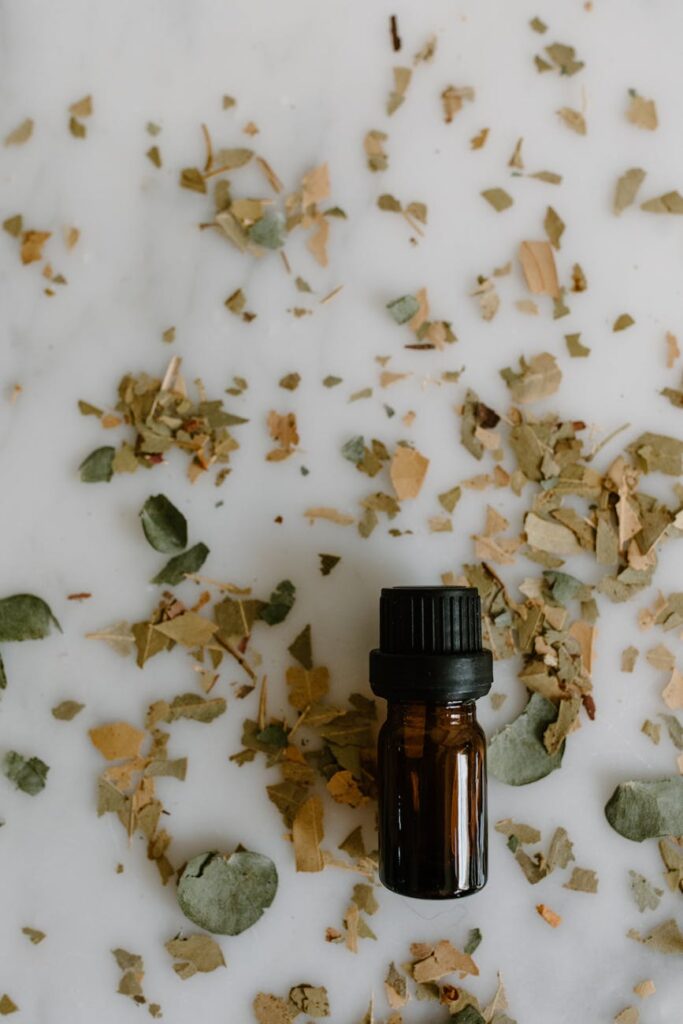
Complete Guide to Cinnamon Oil
Introduction
Cinnamon oil, derived from the bark or leaves of the cinnamon tree, has been cherished for centuries due to its warm, spicy aroma and numerous potential benefits. This essential oil is often used in aromatherapy, personal care products, and culinary applications. This guide aims to provide a comprehensive overview of cinnamon oil, highlighting its properties, uses, and safety considerations.
What Is Cinnamon Oil?
Cinnamon oil is extracted from two primary sources: Cinnamomum verum (true cinnamon) and Cinnamomum cassia (cassia cinnamon). The extraction method typically involves steam distillation, where steam is used to separate the essential oil from the plant material. The resultant oil is characterized by its distinctive warm and sweet scent, making it popular in various applications.
Types of Cinnamon Oil
1. Cinnamon Bark Oil: Extracted from the inner bark of the cinnamon tree, this oil is often considered more potent and aromatic.
2. Cinnamon Leaf Oil: Derived from the leaves of the cinnamon tree, this oil has a milder scent and is often less expensive than bark oil.
Key Benefits and Properties
Cinnamon oil is known for its diverse range of properties, which contribute to its popularity in both aromatherapy and everyday use. Some of the key benefits and properties include:
Antimicrobial Properties
Cinnamon oil exhibits antimicrobial characteristics that may help inhibit the growth of certain bacteria and fungi. This makes it a popular ingredient in natural cleaning products.
Anti-inflammatory Effects
The oil is believed to possess anti-inflammatory properties, which may contribute to its use in soothing sore muscles or discomfort.
Antioxidant Activity
Cinnamon oil contains several compounds, including cinnamaldehyde, which have antioxidant properties. These compounds can help neutralize free radicals in the body.
Mood Enhancer
The warm, spicy scent of cinnamon oil is often associated with feelings of warmth and comfort. It may help uplift mood and enhance feelings of well-being.
Common Uses
Cinnamon oil can be utilized in various ways, including:
Culinary Uses
While some may use cinnamon oil in cooking, it is crucial to use it sparingly due to its potency. A few drops can enhance the flavor of baked goods, beverages, and savory dishes.
Personal Care Products
Cinnamon oil is often incorporated into personal care products such as soaps, lotions, and shampoos, thanks to its pleasant aroma and potential skin benefits.
Home Fragrance
Cinnamon oil can be used in diffusers or added to potpourri to create a warm and inviting atmosphere in the home.
Aromatherapy Applications
Aromatherapy is one of the most popular applications for cinnamon oil. Its comforting aroma is believed to support emotional well-being and create a soothing environment.
Diffusion
Using a diffuser, cinnamon oil can be dispersed into the air, allowing its aroma to fill a room. This can create a warm ambiance, especially during colder months.
Massage
When diluted with a carrier oil, cinnamon oil can be used in massage. Its warming properties may provide a soothing effect on sore muscles.
Bathing
Adding a few drops of cinnamon oil to a warm bath can create a relaxing experience. It is advisable to dilute the oil in a carrier oil or bath product to prevent skin irritation.
Safety Considerations
While cinnamon oil is generally considered safe when used appropriately, there are several safety considerations to keep in mind:
Skin Sensitivity
Cinnamon oil can cause skin irritation in some individuals. It is recommended to perform a patch test before using it topically. Diluting the oil with a carrier oil can also help minimize adverse reactions.
Not for Ingestion
Cinnamon oil is highly concentrated and should not be ingested unless under the guidance of a qualified professional. Using it in cooking should be done with caution, ensuring that only a small amount is utilized.
Pregnancy and Nursing
Pregnant and nursing individuals should consult with a healthcare professional before using cinnamon oil, as its effects during these periods are not well-documented.
Allergies
Individuals with allergies to cinnamon or related plants should avoid using cinnamon oil. Symptoms of an allergic reaction may include skin irritation, respiratory issues, or gastrointestinal discomfort.
Storage and Shelf Life
Proper storage of cinnamon oil is essential to maintain its quality. It should be stored in a cool, dark place, away from direct sunlight and heat sources. Keeping the oil tightly sealed will prevent oxidation and prolong its shelf life.
Shelf Life
Typically, cinnamon oil has a shelf life of 1 to 3 years, depending on the extraction method and storage conditions. It is advisable to check for any changes in aroma, color, or consistency before use, as these may indicate that the oil has degraded.
Frequently Asked Questions
Is cinnamon oil safe for children?
Cinnamon oil should be used with caution around children. It is advisable to consult with a healthcare professional before using it in products intended for children.
Can I use cinnamon oil in combination with other essential oils?
Cinnamon oil can be blended with other essential oils, such as clove or orange, to create unique aroma profiles. However, it is important to consider the properties of each oil and perform a patch test to ensure compatibility.
How can I incorporate cinnamon oil into my daily routine?
Cinnamon oil can be added to a diffuser, used in massage oil, or included in homemade cleaning products. Its versatility allows for various applications that can enhance daily life.
What should I do if I experience irritation or an allergic reaction?
If irritation or an allergic reaction occurs, discontinue use immediately. Rinse the affected area with a carrier oil or mild soap. If symptoms persist, seek medical advice.
Is there a difference between synthetic and natural cinnamon oil?
Natural cinnamon oil is derived from the cinnamon plant, while synthetic versions may be created using chemical processes. It is generally recommended to choose natural oils for their authenticity and potential benefits.
Conclusion
Cinnamon oil is a versatile essential oil with a rich history and a variety of applications. From its delightful aroma to its potential benefits, it offers a multitude of uses in aromatherapy, personal care, and culinary settings. However, it is essential to approach its use with knowledge and caution, ensuring that safety considerations are taken into account. Whether you’re looking to enhance your home’s ambiance or explore its therapeutic properties, cinnamon oil can be a valuable addition to your essential oil collection.