
Complete Guide to Clary Sage Oil Part 12
Introduction
Clary sage oil, derived from the flowering tops and leaves of the Salvia sclarea plant, has been cherished for centuries due to its diverse benefits and unique aromatic qualities. As a member of the mint family, this herbaceous perennial is native to the Mediterranean region but has gained global popularity in the realms of aromatherapy, perfumery, and natural wellness. This guide aims to provide a comprehensive overview of clary sage oil, exploring its properties, uses, and safety considerations.
What Is Clary Sage Oil?
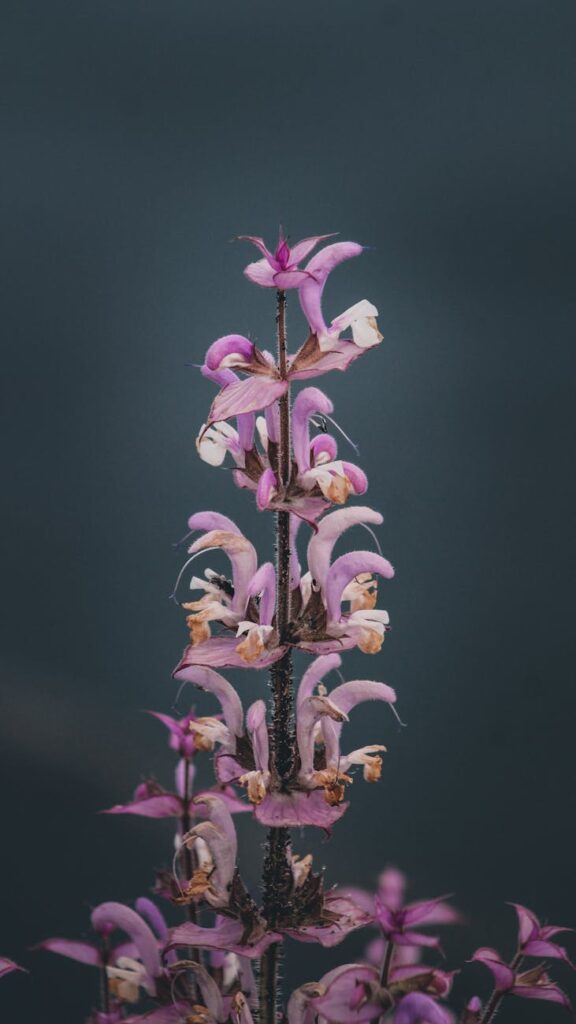
Clary sage oil is an essential oil extracted through steam distillation from the flowering tops and leaves of the clary sage plant. The plant is characterized by its large, soft, and hairy leaves and distinctive purple flowers. The oil has a sweet, nutty, and herbaceous aroma, which sets it apart from other sage oils.
The primary constituents of clary sage oil include linalyl acetate, linalool, and sclareol, which contribute to its distinctive scent and therapeutic properties. Its rich chemical profile is responsible for many of its benefits and applications in aromatherapy and natural wellness practices.
Key Benefits and Properties
Clary sage oil is celebrated for its various beneficial properties, which include:
1. Relaxation and Stress Relief: The calming aroma of clary sage oil is known to promote relaxation and reduce feelings of anxiety. It is often used in aromatherapy to create a tranquil atmosphere.
2. Hormonal Balance: Clary sage oil is frequently associated with women’s health. It is believed to support hormonal balance and alleviate symptoms related to menstrual cycles and menopause.
3. Antimicrobial Properties: Preliminary studies suggest that clary sage oil may possess antimicrobial qualities, making it a potential candidate for use in natural cleaning products and skin care formulations.
4. Mood Enhancement: The uplifting scent of clary sage may help to improve mood and enhance emotional well-being, potentially aiding in the management of feelings of sadness or unease.
5. Digestive Support: Traditionally, clary sage has been used to soothe digestive discomfort and support overall digestive health.
Common Uses
Clary sage oil is utilized in a variety of applications, including:
- Aromatherapy: As a popular choice for diffusing, clary sage oil can create a calming environment in homes, offices, or wellness centers.
- Massage Oils: When diluted with a carrier oil, it can be used in massages to promote relaxation and relieve tension.
- Bath Products: Adding a few drops to bathwater can enhance the bathing experience by promoting relaxation and stress relief.
- Skin Care: Its potential antimicrobial properties make it an appealing ingredient in natural skin care formulations, although it should be used with caution due to its potency.
- Dilution: Essential oils should always be diluted with a carrier oil before topical application to minimize the risk of skin irritation.
- Pregnancy and Nursing: Clary sage oil is often discouraged during pregnancy, particularly in the first trimester, as it may stimulate uterine contractions. Consultation with a qualified healthcare provider is recommended for pregnant or nursing individuals before use.
- Allergic Reactions: Individuals with known allergies to plants in the Lamiaceae family (such as mint, basil, and oregano) should exercise caution and conduct a patch test prior to widespread use.
- Interaction with Medications: Clary sage oil may interact with certain medications, particularly those related to hormone therapy. Consultation with a healthcare professional is advised for individuals taking medications or with underlying health conditions.
- Containers: Essential oils should be stored in dark glass containers to protect them from light, which can degrade their quality.
- Temperature: Store clary sage oil in a cool, dry place away from direct sunlight and heat sources. Ideal storage temperatures are typically between 60°F to 75°F (15°C to 24°C).
- Shelf Life: When stored properly, clary sage oil typically has a shelf life of 3 to 5 years. However, it is advisable to check for any changes in color, scent, or consistency before use, as these can indicate that the oil has gone rancid or is no longer effective.
Aromatherapy Applications
In the field of aromatherapy, clary sage oil can be employed in various ways to harness its benefits:
1. Diffusion: Using a diffuser, clary sage oil can be dispersed into the air, creating a soothing atmosphere. It can be blended with other essential oils like lavender or bergamot for a synergistic effect.
2. Inhalation: Direct inhalation of clary sage oil from the bottle or by adding a few drops to a handkerchief can provide immediate calming effects.
3. Topical Application: When combined with a carrier oil, clary sage oil can be applied to pulse points or areas of tension. It is advisable to conduct a patch test first to ensure no adverse reactions occur.
4. Bathing: Adding clary sage oil to bathwater can create a serene and relaxing experience. To prevent the oil from dispersing too quickly, it is often recommended to mix it with a dispersing agent like milk or Epsom salt.
Safety Considerations
While clary sage oil is generally regarded as safe when used appropriately, there are important safety considerations to keep in mind:
Storage and Shelf Life
To ensure the longevity and potency of clary sage oil, proper storage is essential:
Frequently Asked Questions
1. Can clary sage oil be used in cooking?
Clary sage oil is not typically recommended for culinary use due to its potency and the potential for adverse reactions. It is primarily used for aromatherapy and topical applications.
2. Is clary sage oil safe for children?
Clary sage oil should be used with caution around children. It is advisable to consult with a healthcare professional or qualified aromatherapist before using essential oils on or around children.
3. How can I incorporate clary sage oil into my daily routine?
Clary sage oil can be diffused during meditation or relaxation practices, added to bathwater for a calming soak, or used in massage blends to promote relaxation and relieve tension.
4. What can I mix with clary sage oil for diffusion?
Clary sage oil blends well with a variety of other essential oils, including lavender, bergamot, frankincense, and cedarwood, creating a harmonious aroma that enhances relaxation.
5. Are there any contraindications for clary sage oil?
Individuals with hormone-sensitive conditions, pregnant or nursing women, and those taking certain medications should consult a healthcare professional before using clary sage oil.
Conclusion
Clary sage oil is a versatile and cherished essential oil with a rich history and a wide array of potential benefits. Its calming aroma and unique properties make it a valuable addition to both aromatherapy practices and natural wellness routines. However, as with any essential oil, it is essential to use clary sage oil responsibly, considering safety precautions and individual circumstances. By understanding the properties and applications of clary sage oil, individuals can fully appreciate its role in enhancing well-being and promoting a balanced lifestyle.